 Bellingham Roofing
 Storm Damage Roof Repair for Columbia, Built Around What This Climate Actually Does
Columbia is one of the older, established neighborhoods on Bellingham's east side, with a mix of home ages and roof types that reflects decades of growth in this part of Whatcom County. What most of those roofs have in common is exposure to the same weather pattern year after year: wind off the water, long stretches of driving rain, and a moss season that never really ends. Storm damage here rarely shows up as a single dramatic event. More often it's a windstorm that lifts a few shingles, followed by weeks of rain finding that opening before anyone notices a problem inside the house.
A storm damage repair done right in Columbia has to account for that pattern, not just patch the visible hole. That means checking what's happening underneath the roofing material, not only on top of it, and understanding how water moves once it gets past the first line of defense.
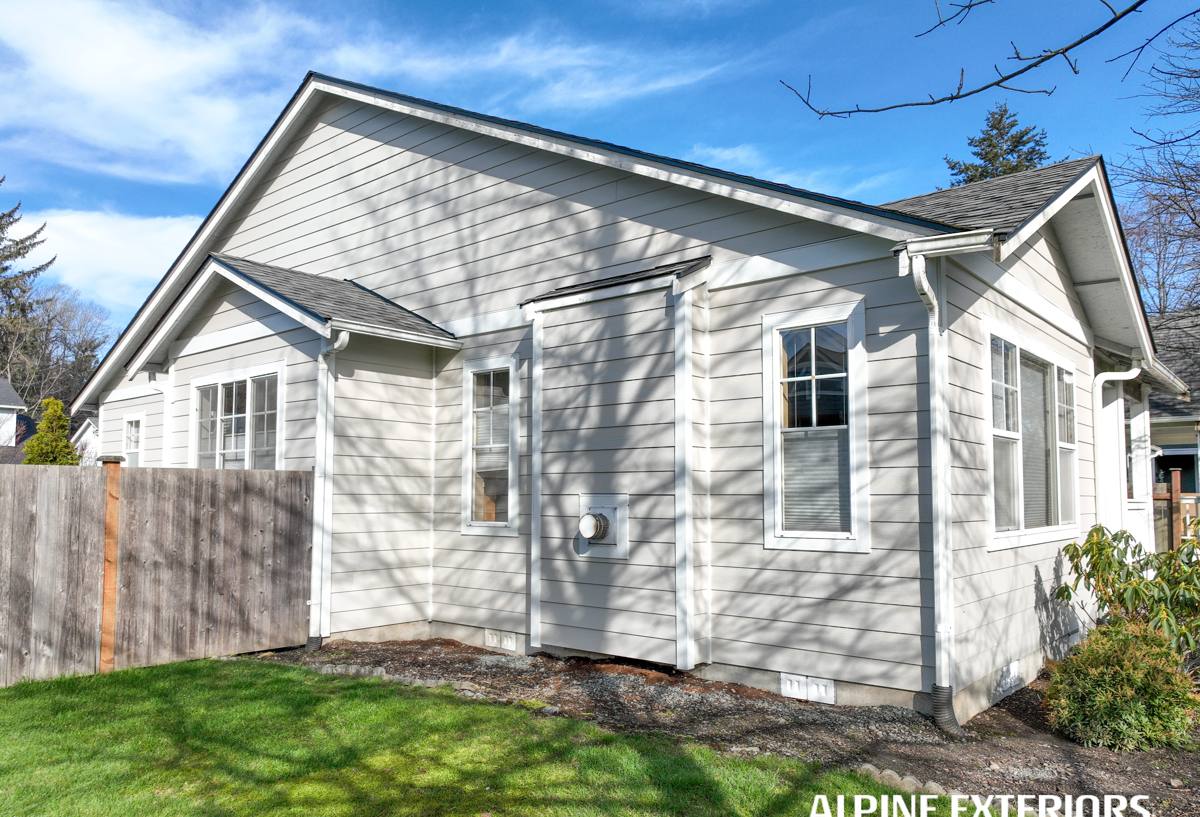
What Makes Storm Damage Different in This Part of Bellingham
Wind-Driven Rain, Not Just Wind
Whatcom County storms usually bring wind and rain together, and it's the combination that causes the most damage. Straight-line wind can lift shingle edges or tear at ridge caps, but it's the rain arriving sideways during and after the wind event that pushes water under compromised roofing and into the deck below. A roof that looks fine from the ground can still have water tracking well past the point where the damage is visible.
Salt Air and Material Fatigue
Homes closer to Bellingham Bay deal with a steady dose of salt-laden air, which accelerates corrosion on exposed metal — flashing, fasteners, gutter hardware, and vent stacks. A storm that would barely scratch a roof further inland can be enough to fail a flashing seam that's already been quietly corroding for years. Storm damage repair in this area often uncovers pre-existing wear that the storm simply finished off.
Moss Season and Trapped Moisture
Whatcom County's mild, wet winters are ideal for moss growth on north-facing slopes and shaded roof sections. Moss holds moisture against the roofing material long after a storm has passed, which is part of why storm damage in Columbia doesn't always heal on its own the way it might in a drier climate. A repair that doesn't address moss buildup around the damaged area is a repair that's likely to need revisiting.
What a Correct Storm Damage Repair Actually Involves
A thorough repair is more than swapping out a few shingles. Here's what should happen on a job done right:
1. A Full Roof Assessment, Not Just a Spot Check
Storm damage is rarely isolated to the spot where a homeowner noticed a leak. A proper inspection covers the whole roof plane — ridge, valleys, flashing points, and penetrations — because wind and rain stress a roof unevenly, and secondary damage is common.
2. Checking the Decking, Not Just the Surface
If water has been getting under the roofing material for any length of time, the plywood or OSB decking underneath can be softened or delaminated. Replacing shingles over compromised decking is a short-term fix that fails again in the next storm. Any honest repair estimate should include an evaluation of deck condition before work begins.
3. Flashing and Sealant Repair, Not Just Caulk
Flashing around chimneys, skylights, and roof-wall intersections is a common failure point in wind-driven rain events. Proper repair means resetting or replacing flashing so water sheds correctly, not just adding sealant over a gap and hoping it holds through the next storm.
4. Matching Materials, Not Just Covering the Hole
Shingle color, profile, and granule wear vary with age and sun exposure. A repair that doesn't reasonably match the surrounding roofing stands out and can also create uneven water shedding at the seams. Where an exact match isn't available, a competent crew will explain the trade-off honestly rather than pretend it won't be noticeable.
Repair vs. Replacement: How We Make That Call
Not every storm-damaged roof needs to come off. The decision usually comes down to the extent of the damage, the age of the roof, and what's happening underneath the surface.
| Situation | Likely Path | Why |
|---|---|---|
| Isolated wind damage, roof under 10-15 years old | Targeted repair | Surrounding material still has useful life; localized fix restores protection without full cost |
| Storm damage plus soft or delaminated decking | Repair with deck replacement in the affected area | Shingles alone won't hold without sound decking underneath |
| Damage spread across multiple roof planes | Full or partial replacement | Patch-by-patch repair on a widely affected roof often costs more over time than one coordinated job |
| Roof already near end of expected service life | Replacement | Storm damage is often the point where continued patching stops making financial sense |
We walk homeowners through which category their roof falls into and why, rather than defaulting to the most expensive option or the cheapest patch.
Our Storm Damage Response Process
- Initial contact and triage — we ask about active leaks or exposed decking first, since those need the fastest response.
- On-site inspection — we assess the full roof, not just the reported problem area, and photograph what we find for the homeowner's record.
- Temporary protection if needed — tarping or emergency sealing to stop active water intrusion while a full repair is scheduled.
- Written scope and estimate — a clear explanation of what's damaged, what's original wear, and what the repair will involve.
- Repair work — completed with matching materials where possible and proper attention to flashing, decking, and moss-prone areas.
- Final walk-through — we go over the completed work with the homeowner before considering the job done.
Cost Factors in Columbia Storm Damage Repairs
Costs for storm damage repair vary widely depending on scope, and we avoid quoting numbers before seeing the actual damage. That said, a few factors consistently drive cost up or down:
| Factor | Effect on Cost |
|---|---|
| Extent of decking replacement needed | Increases cost — decking repair adds labor and material beyond surface shingles |
| Roof pitch and access | Steeper or harder-to-access roofs take longer and require more safety setup |
| Age and availability of matching shingles | Older or discontinued products may require a wider repair area to blend properly |
| Number of penetrations near the damage | Chimneys, skylights, and vents each add flashing work to the repair |
| Moss or debris buildup in the area | Adds cleanup time before repair can begin properly |
Signs Your Columbia Home May Have Storm Damage
Storm damage isn't always obvious from the ground. After a significant wind or rain event, it's worth checking for:
- Granules collecting in gutters or at downspout outlets
- Shingles that look lifted, curled, or out of alignment compared to the rest of the roof
- New or spreading water stains on interior ceilings, especially near chimneys or valleys
- Visible gaps or movement in flashing around vents, skylights, or chimneys
- Moss or debris that's thicker or wetter than usual in shaded roof sections
- Sagging or soft-feeling spots when walking the attic near the roofline
- Daylight visible through the roof deck from inside the attic
Any one of these on its own might be minor. Several together, especially after a storm, are worth having looked at before the next rain event.
Why Hiring a Crew That Already Works in Columbia Matters
A roofing crew that regularly works this neighborhood has a practical advantage: they've already seen how the local mix of home ages and roof types responds to Whatcom County storms. That familiarity shows up in small but meaningful ways — knowing which roof styles in this area tend to have flashing issues around chimneys, recognizing early moss patterns before they become a moisture problem, and understanding how quickly a minor wind event can turn into a bigger leak given the area's rain patterns.
It also matters for response time. Storm damage that goes unaddressed for even a few days of continued rain can turn a shingle repair into a decking repair. A crew based locally and already working in the area can typically get to an assessment faster than one dispatching from farther away, which matters most in the days right after a storm.
Insurance and Documentation
Many storm damage repairs involve a homeowner's insurance policy. We document damage thoroughly with photos and a written scope before work begins, which gives homeowners a clear record to work from with their insurer. We're not able to guarantee what any specific policy will or won't cover — that's between the homeowner and their insurance company — but we make sure the documentation reflects the actual condition of the roof, not a guess.
Get a Free, No-Pressure Estimate
If a recent storm has you wondering whether your Columbia home's roof took damage, it's worth getting it looked at before the next rain finds the weak spot. We'll walk the roof, give you a straight answer about what we find, and explain your options without pressure to decide on the spot. Use the form below to request your free estimate.