 Bellingham Roofing
 Roofing and Exterior Work in Cordata
Cordata sits on the north side of Bellingham, close enough to the water and to the open fields around it that homes here catch weather from a couple of directions at once. It's a mix of newer subdivisions, older single-family homes, and a fair number of townhomes and multi-family buildings near the shopping and business park areas. That mix matters, because a roof or siding system that's right for a 1990s rambler isn't always the right call for a 2015 townhome, and we tailor our approach to what's actually on the house rather than a one-size answer.
We're a Bellingham-based exterior contractor working across Whatcom County, and Cordata is regular territory for us — not a neighborhood we drive in for once and forget. That matters more than people think when it comes to warranty follow-up, matching materials years later, or just knowing which streets sit in a wind tunnel versus which ones are more sheltered by trees.
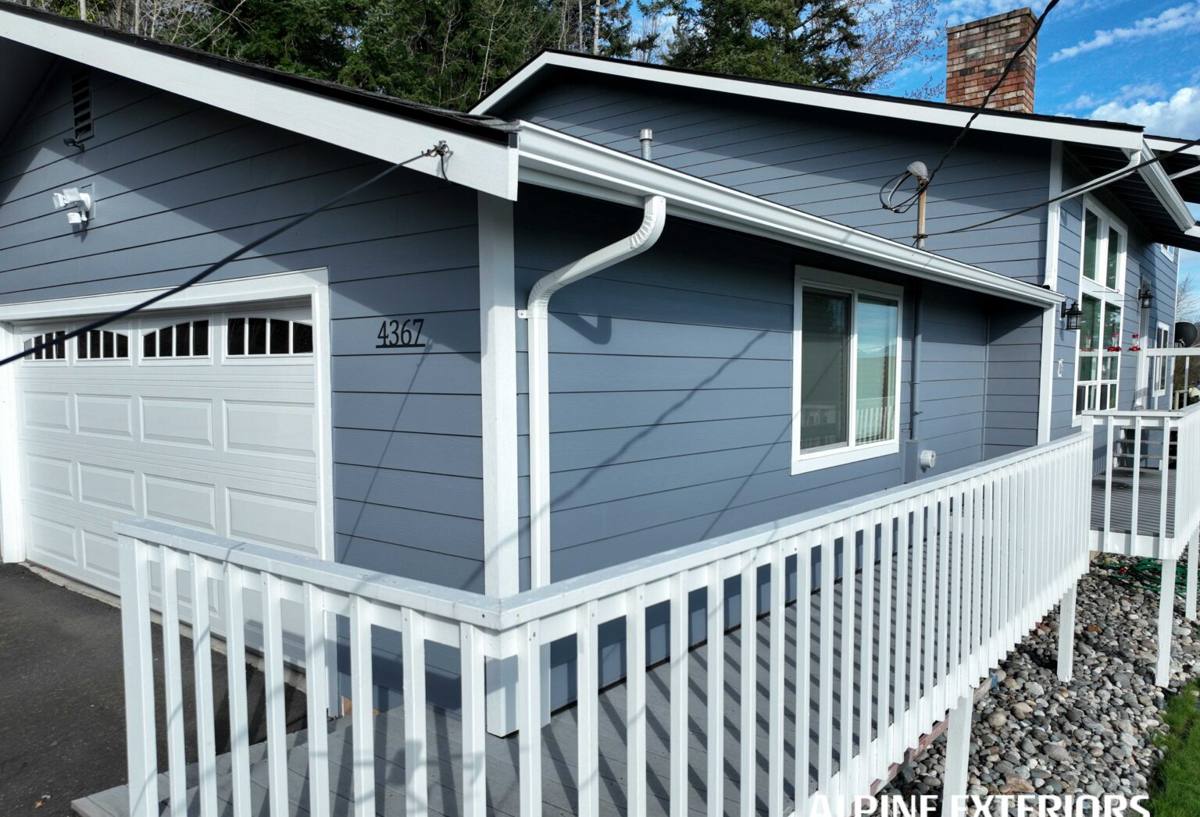
What the Local Climate Does to a Cordata Home
Whatcom County's exterior problems are rarely dramatic. They're slow. The combination of salt-tinged marine air, long stretches of driving rain, and a moss season that can run most of the year is what wears down roofs, siding, and trim here — not any single big storm.
Salt Air and Metal Components
Even set back from the water, Cordata gets enough marine air movement that unprotected or poor-quality metal — flashing, fasteners, gutter hardware — corrodes faster than it would further inland. We spec fasteners and flashing metals with that in mind rather than defaulting to whatever is cheapest, because a roof that fails at the flashing seams almost never fails because of the shingles themselves.
Driving Rain
Bellingham doesn't just get rain, it gets rain pushed sideways by wind often enough that it matters. That means water finds its way under poorly lapped siding, through under-flashed window trim, and into roof valleys that weren't detailed correctly. Vertical waterproofing — how laps, flashing, and sealant transitions are actually built — matters as much here as the roofing material itself.
Moss and Constant Dampness
Shade from mature trees plus a marine climate is a moss factory. Moss holds moisture against roofing material, works its way under shingle tabs, and can lift edges over time, which is exactly where leaks start. It also collects in siding laps and around deck boards where two surfaces meet and airflow is limited. None of this is unique to Cordata, but it's a constant here in a way that drier climates never have to plan around.
Roofing Services
Our roofing work covers full replacements, repairs, and inspections, and most of what we do in Cordata falls into a few categories:
- Asphalt composition shingle roofs — the most common roof type in the neighborhood, and a good fit for most budgets when installed with proper underlayment and ventilation
- Roof repairs — flashing failures, damaged valleys, moss-related shingle lift, and localized leak sourcing
- Roof replacements on aging roofs where repair costs no longer make sense against the roof's remaining life
- Ventilation corrections — many homes in this area are under-ventilated for our humidity levels, which shortens roof life and encourages moss and mildew in the attic
We don't push a single brand or product as the answer for every house. What we do insist on is proper underlayment, correctly lapped and sealed flashing at every penetration and valley, and ventilation that matches the home's attic design. Skipping any of those to save a day of labor is where most premature roof failures we get called out for actually started.
Roof Inspections
If you're not sure whether a roof needs repair or replacement, an inspection is the honest starting point. We look at shingle condition, flashing integrity, moss buildup, attic ventilation, and any sign of past water intrusion, then tell you plainly what's urgent, what can wait, and what's just cosmetic.
Siding Services
Siding takes a beating from the same driving rain that affects roofs, just at a different angle. We install and repair fiber cement, engineered wood, and traditional lap siding, and we pay particular attention to a few things that matter more here than in drier parts of the country:
- Proper weather-resistive barrier and flashing behind every siding installation, not just at obvious joints
- Correct lap direction and overlap so wind-driven rain sheds outward instead of working its way in
- Trim and corner details sealed in a way that allows some drainage rather than trapping moisture
- Spacing and fastening that lets the material expand and contract without buckling in our seasonal temperature swings
Fiber cement has become a common choice locally because it holds up well against moisture and doesn't feed moss and mildew the way some wood products can if maintenance lapses. We'll walk you through the real trade-offs — cost, weight, installation sensitivity, and long-term maintenance — rather than just recommending whatever's easiest to install.
Window Services
Window failures in this climate are usually about water management, not glass. A window can have excellent glass and still leak if the flashing around the rough opening wasn't integrated correctly with the siding or if old caulk has failed and nobody's checked it in years. Our window work includes:
- Full window replacement with proper flashing integration into the existing wall assembly
- Repair and resealing of existing windows showing early water intrusion signs
- Energy-efficiency upgrades appropriate for our mild-but-damp climate, where air sealing matters more than extreme insulation values
We're honest that window replacement is one of the pricier per-unit exterior investments homeowners make, so we'll tell you when a window just needs resealing versus when the frame or flashing has actually failed and replacement is the right call.
Deck Services
Decks in Cordata face a specific version of the same moisture problem: horizontal surfaces that collect standing water and organic debris, plus board-to-board gaps that trap moss and slow drying. We build and repair decks with attention to:
- Board spacing and drainage that lets water and debris move through rather than sit
- Ledger board flashing, since this is one of the most common failure points on older decks and a structural safety issue if ignored
- Material choice — pressure-treated lumber, composite, or cedar — matched to your budget and how much upkeep you actually want to do
- Railing and structural connections rechecked on repair jobs, not just cosmetic board replacement
Comparing Common Material Choices
| Component | Common Option | Trade-offs in This Climate |
|---|---|---|
| Roofing | Asphalt composition shingle | Cost-effective, wide color range; needs good ventilation and moss management to reach full lifespan |
| Siding | Fiber cement | Strong moisture and pest resistance; heavier, more installation-sensitive, higher upfront cost |
| Siding | Engineered wood | Lighter and easier to install; requires consistent maintenance to keep moisture out over time |
| Decking | Pressure-treated lumber | Lower upfront cost; needs periodic sealing/staining to handle year-round dampness |
| Decking | Composite | Low maintenance and moss-resistant surface; higher upfront cost, structural framing still needs attention |
Why a Local Whatcom County Crew Matters
Anyone can install a roof or hang siding on a dry day. The difference shows up in the details you don't see once the job's finished — how flashing was lapped, whether the weather barrier was actually continuous, whether ventilation was sized for the attic instead of guessed at. Crews who work Whatcom County year-round build habits around our specific rain patterns and moss pressure because they see the failures that come from skipping those steps, on other people's callback jobs if not their own.
Being local also means we're around for warranty questions, for matching siding or shingle color a few years down the line, and for knowing which permitting and code requirements apply in Bellingham and unincorporated Whatcom County, which aren't always identical.
A Simple Seasonal Checklist for Cordata Homeowners
- Clear moss off roof surfaces and out of valleys before it has a full wet season to embed itself
- Check gutters and downspouts before the heavy fall and winter rain arrives — clogged gutters push water back under roofing and siding edges
- Look at deck boards and railings each spring for soft spots, especially near ledger connections
- Inspect caulking around windows and trim annually; failed sealant is cheap to fix and expensive to ignore
- Watch for dark streaking or soft spots on siding, which often mean moisture is getting behind the surface, not just sitting on top of it
Getting Started
Most homeowners come to us with one specific concern — a leak, a soft spot on the deck, siding that looks tired — and end up wanting a broader look at how the whole exterior is holding up. That's a normal way to start. If you're in Cordata and want an honest read on your roof, siding, windows, or deck, we're happy to come take a look and put together a straightforward, no-pressure estimate using the form below.