 Bellingham Roofing
 Roofing in Fairhaven: A Different Kind of Wear
Fairhaven sits close enough to the water that homes here take on a different kind of weather stress than roofs just a few miles inland in Bellingham. The combination of salt-laden air off Bellingham Bay, wind-driven rain that comes in sideways off the water, and a moss season that can stretch for most of the year adds up to a roof that ages differently than one in a drier, more sheltered part of Whatcom County. None of this means Fairhaven homes need exotic materials or constant intervention — it means the roofing choices, the flashing details, and the maintenance schedule need to match the actual conditions the roof lives in, not a generic checklist.
We work throughout Bellingham, but Fairhaven's older housing stock, mix of historic and newer builds, and proximity to the water mean we approach inspections and repairs there with a specific eye toward moisture intrusion and organic growth, not just wear from age or foot traffic.
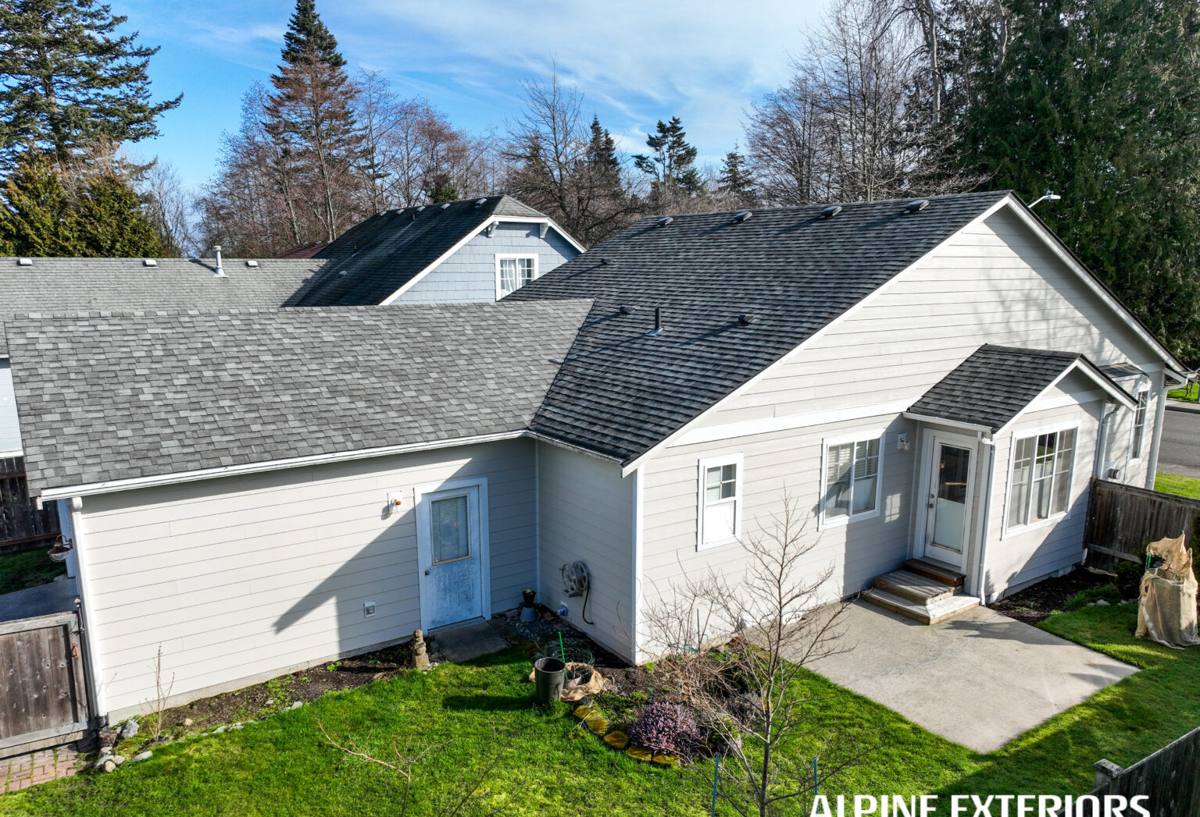
What Salt Air Actually Does to a Roof
Salt air doesn't rot asphalt shingles the way it can attack bare metal, but it does accelerate corrosion on any exposed metal components — nail heads, flashing, gutter hardware, vent caps, and any metal roofing or trim. Over years, that corrosion can create small failure points long before the roofing material itself is due for replacement. It's one of the reasons we pay close attention to fastener and flashing condition on Fairhaven roofs during inspections, even when the shingles or panels themselves still look serviceable.
Where salt exposure shows up first
- Exposed nail heads and fastener corrosion, especially on older roofs with less protective coating
- Metal flashing around chimneys, skylights, and roof-to-wall transitions
- Gutter hangers, screws, and seams
- Any galvanized or uncoated metal vent stacks or caps
Choosing corrosion-resistant fasteners and properly coated or coastal-rated metal components at install time costs little extra up front and avoids a slow trickle of small leaks showing up five or ten years down the road.
Moss, Shade, and Bellingham's Long Wet Season
Whatcom County's climate gives moss and moisture-loving growth a long runway — mild temperatures, persistent dampness, and in Fairhaven's case, tree cover and marine humidity that keep roof surfaces damp longer than they would be in a sunnier, more exposed location. Moss isn't just cosmetic. As it establishes on a shingle or shake roof, it holds moisture against the roofing surface, works into shingle laps and granule surfaces, and over time can lift shingle edges and create channels for water to work its way underneath.
North-facing slopes and roof sections shaded by mature trees are the areas we check most carefully, since they dry out slowest after rain and tend to show moss and algae growth first. Regular, gentle moss removal — not pressure washing, which can strip granules and damage shingles — combined with zinc or copper strips at the ridge in the right situations, is a reasonable maintenance approach for most homes here.
Wind-Driven Rain and Flashing Details
Fairhaven's exposure to weather coming off the bay means rain doesn't always fall straight down — it can drive sideways under normal conditions, and heavily during winter storms. Roofing systems that rely purely on shingle overlap to shed water can struggle when rain is pushed uphill under shingle edges or into transitions that weren't detailed with that kind of exposure in mind. This is where flashing quality and installation care matter more than shingle brand.
Flashing areas that need extra attention in a wind-driven rain environment
- Chimney step flashing and counter-flashing
- Valleys, especially closed or woven valleys on older roofs
- Skylight curbs and perimeter flashing
- Roof-to-wall intersections, particularly on additions or dormers
- Low-slope transitions and porch roof tie-ins
When we inspect a Fairhaven roof, these are the areas we check first for signs of past water intrusion, because they're the areas most likely to fail before the field of the roof does.
Matching Roofing Materials to a Coastal Bellingham Climate
There isn't one "best" roofing material for Fairhaven — the right choice depends on the home's style, budget, roof pitch, and how much shade and moisture exposure the roof actually gets. We install and repair the common systems used across Whatcom County and can walk through the honest trade-offs for a specific home.
| Material | How it handles this climate | Maintenance considerations |
|---|---|---|
| Asphalt composition shingle | Solid, cost-effective performance when properly flashed and ventilated; algae-resistant shingle lines help in shaded, damp areas | Moss and moisture buildup on shaded slopes; periodic gentle cleaning recommended |
| Standing seam metal | Sheds wind-driven rain well and resists moss better than shingles; needs coastal-rated fasteners and coatings near the water | Fastener and coating quality matters more here than inland; oil-canning is cosmetic, not structural |
| Cedar shake | Traditional look that suits some Fairhaven homes; more sensitive to sustained moisture and moss than other materials | Requires more frequent inspection and treatment in a marine, shaded environment |
| TPO/low-slope membrane | Used on additions, porch roofs, and low-pitch sections; performance depends heavily on seam and flashing installation | Seam integrity should be checked periodically, especially at penetrations |
We'll always explain why we're recommending one approach over another for a specific roof — including when a lower-maintenance option makes more sense than a higher-maintenance one, even if it's not the flashiest choice.
Roof Inspections: What We Actually Look For
A useful roof inspection in Fairhaven isn't a quick walk-around. Given the salt air and moisture exposure here, we look past the obvious wear and check the details that tend to cause slow, hidden leaks.
Our inspection checklist for coastal Bellingham homes
- Shingle or panel condition, including granule loss, cracking, curling, or corrosion on metal
- Flashing integrity at all chimneys, valleys, skylights, and wall transitions
- Moss, algae, and organic debris accumulation, especially on shaded and north-facing slopes
- Gutter and downspout condition, including hanger corrosion and proper drainage away from the foundation
- Attic ventilation and any signs of trapped moisture, condensation, or staining on the underside of the roof deck
- Fastener condition where visible, particularly on older roofs
- Sealant condition around penetrations, which tends to break down faster with UV and salt exposure combined
Most of the time an inspection turns up a short list of maintenance items rather than a roof that needs full replacement. We'd rather tell a homeowner they have five more good years with proper upkeep than sell a roof that isn't needed yet.
Repair vs. Replacement: An Honest Read
Roofs in Fairhaven don't always fail all at once — more often, a specific area (a valley, a chimney flashing, a shaded slope with heavy moss) starts causing problems while the rest of the roof still has useful life left. The decision between a targeted repair and a full replacement usually comes down to a few honest questions:
- Is the damage isolated to flashing or fasteners, or has water been getting into the roof deck itself?
- How much of the roof's expected lifespan is left, and does that justify a repair versus starting fresh?
- Is moss or algae damage cosmetic and surface-level, or has it already lifted shingles and created entry points for water?
- Are there multiple failure points suggesting the roofing system as a whole is reaching the end of its service life?
We'll give a straight answer on which side of that line a roof falls on, including when a repair is genuinely the right call and a full replacement isn't necessary.
Why a Local, Whatcom County Crew Matters Here
Roofing crews who work primarily inland or in drier climates don't always build the habit of checking for the specific failure patterns that show up on a marine-exposed roof — corrosion on fasteners that still look fine from the ground, moss working under shingle edges on a shaded north slope, or flashing that was detailed for average rainfall rather than wind-driven storms coming off the bay. Working roofs across Bellingham and Whatcom County day in and day out means those patterns become second nature, not something we have to relearn on each job.
It also means faster response when something needs attention — after a windstorm, during the heavier winter rains, or when a homeowner notices a stain on a ceiling and wants someone to take a look before it becomes a bigger problem. A roofing crew based in the area can generally get eyes on a Fairhaven roof faster than one dispatched from farther away.
Beyond the Roof: Fairhaven Exteriors as a System
Roofs don't work in isolation. Gutters that are undersized, clogged, or poorly pitched send water back toward the fascia and siding instead of away from the house. Siding that's failing at a wall-roof transition can mimic a roof leak even when the roofing itself is fine. Windows and trim near roof edges are common spots for water to find its way in if flashing details weren't handled correctly during a past renovation. Because we handle roofing, siding, windows, and decks, we look at how these systems interact rather than treating a leak or a moisture problem as a roof-only issue when the real cause is somewhere else in the exterior envelope.
This matters especially in Fairhaven, where older homes may have gone through multiple renovations over the decades, sometimes with mismatched materials or flashing approaches from different eras. Understanding how the whole exterior system fits together helps us diagnose problems accurately instead of guessing.
Getting Started
If you're noticing moss buildup, a stain on an interior ceiling, missing or curling shingles, or you just haven't had your roof looked at in a few years, it's worth having someone take an honest look before a small issue becomes an expensive one. We offer free, no-pressure estimates for Fairhaven and the greater Bellingham area — use the form below to get in touch and we'll schedule a time to come take a look.