 Bellingham Roofing
 Roofing Built for Sehome's Weather
Sehome sits close enough to Bellingham Bay that salt-tinged air is a fact of life for homes in the neighborhood, whether you're in one of the older houses near the ridge or a newer build closer to Western Washington University. Combine that salt exposure with Whatcom County's long wet season and you get a specific set of demands on a roof: metal fasteners and flashing that corrode faster than they would inland, driving rain that finds every weak seam, and moss that gets a running start every fall and doesn't let up until late spring. None of this is exotic. It's just what a roof in this part of Bellingham has to handle, year after year, and it's why we build and repair roofs here with that reality in mind rather than treating every job like it's happening in a dry climate.
What We Actually See on Sehome Roofs
The most common issues we run into on service calls in this neighborhood aren't dramatic failures — they're slow, cumulative problems that started small. Moss wedging under shingle tabs and lifting them. Gutters overwhelmed by a hard rain event because they were sized or pitched for a lighter storm pattern. Flashing around chimneys and skylights that's corroded from years of salt-laden moisture cycling through wet and dry. Roof valleys that collect debris from mature trees and hold moisture longer than the rest of the roof. Each of these is manageable on its own, but left alone through a few wet seasons they compound into real damage — sheathing rot, interior leaks, and repairs that cost far more than the maintenance would have.
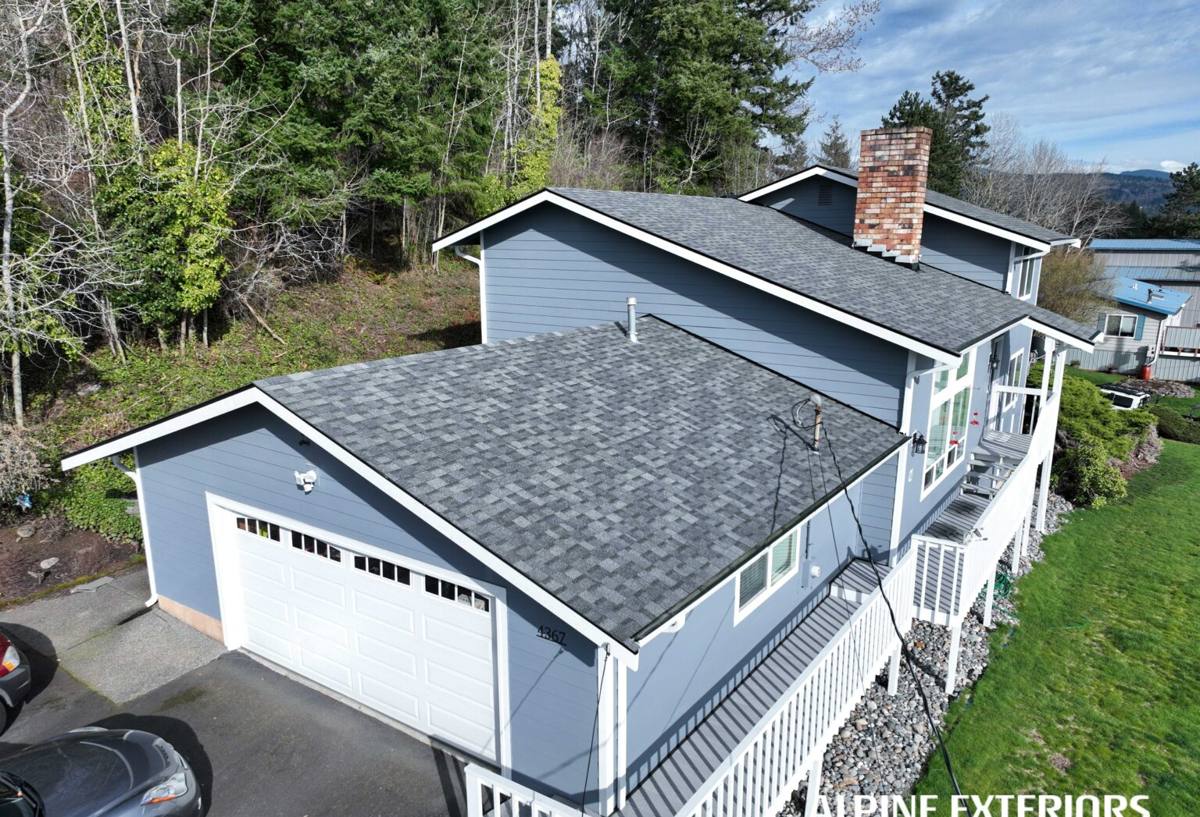
Why Local Crew Knowledge Matters Here
A roofing crew that works all over Western Washington will know the basics of Pacific Northwest weather. A crew that works Bellingham and Whatcom County specifically knows the difference between how a roof ages two miles from the bay versus twenty miles inland, how the moss pressure on a shaded, tree-lined Sehome lot compares to a more open lot elsewhere in the city, and which product lines actually hold up to salt air exposure over a full service life rather than just looking good on a spec sheet. That local pattern recognition is what lets us catch a problem during a routine inspection instead of after it's already caused interior damage. It's also what lets us give you a straight answer about whether a repair will actually hold or whether you're better off addressing a larger section now.
Salt Air and Metal Components
Salt air is hardest on metal — flashing, fasteners, gutter hardware, and any exposed metal roofing components. Standard galvanized fasteners and lower-grade flashing can start showing corrosion well before they would in a drier, inland environment. We spec corrosion-resistant fasteners and flashing materials for homes in this zone as a matter of course, not as an upsell, because replacing corroded flashing under a shingle field a few years early costs a lot more than using the right material the first time.
Moss Season: Prevention Beats Removal
Whatcom County's moss season runs long — shaded roof sections, especially north-facing slopes and areas under tree cover, can stay damp enough to support moss growth for much of the year. Moss itself doesn't just sit on top of shingles; it holds moisture against the roofing material and works its way under tabs and shingle edges, which is where the real damage starts. Pressure washing moss off a roof is not something we recommend — it can strip granules off shingles and shorten the roof's remaining life. The better approach is a combination of physical removal with proper technique, zinc or copper control strips that discourage regrowth, and keeping tree canopy trimmed back where it's shading the roof deck. If a roof already has heavy moss buildup, we'll walk you through what a safe removal and prevention plan looks like for that specific roof rather than a one-size-fits-all treatment.
- Keep gutters and downspouts clear so runoff doesn't back up under roofing edges during heavy rain
- Trim tree branches back from the roofline to cut down on shade and debris buildup
- Have flashing around chimneys, skylights, and vent pipes checked every couple of years, sooner near the bay
- Address small moss patches early rather than waiting for full coverage
- Schedule a roof inspection after any unusually hard windstorm, not just on a fixed calendar
- Watch for granule buildup in gutters, which signals a shingle roof is aging past its prime
Roofing Materials That Hold Up Locally
We install and repair a range of roofing systems, and the right choice depends on the home, the budget, and how much of a factor moss and salt exposure are for that particular lot. Asphalt composition shingles remain the most common choice because they balance cost, appearance, and performance well, provided they're a quality product with a warranty structure that actually covers algae and moss resistance in a wet climate. Metal roofing has become more popular in this area for its longevity and the way it sheds moss and moisture more readily than shingles, though it comes with a higher upfront cost and needs correctly detailed flashing to perform as advertised. We're candid about the trade-offs of each system rather than pushing whatever has the best margin — a roof is a long-term investment and the material needs to match the home and the homeowner's priorities.
| Roofing Material | Typical Lifespan Here | Best Suited For |
|---|---|---|
| Asphalt composition shingle | 20-30 years | Most homes; good balance of cost and performance |
| Standing seam metal | 40-50+ years | Homes prioritizing longevity and lower moss retention |
| Cedar shake | 25-30 years with upkeep | Homeowners wanting a traditional look who commit to regular maintenance |
| Synthetic/composite shingle | 30-40 years | Homeowners wanting shake or slate appearance with less upkeep |
Siding, Windows, and Decks: The Rest of the Envelope
A roof doesn't work in isolation — it's one part of the building envelope, and in a climate like Bellingham's, the whole envelope needs to handle sustained moisture together. We handle siding, window, and deck work for the same reason we're careful about roofing: water that gets past one component tends to find its way into the next one. Siding that's cracked or has failing caulk joints lets moisture behind the wall assembly. Windows with worn seals or degraded flashing tape do the same at every opening. Decks exposed to driving rain and standing moisture need the right fasteners, proper drainage under the surface, and materials chosen for wet-climate durability rather than looks alone.
Siding in a Wet, Salt-Exposed Climate
Fiber cement and quality vinyl siding both perform well here when installed correctly, with attention to flashing at windows, doors, and any horizontal trim where water tends to collect. Wood siding can still be the right call for homeowners who want that look, but it needs a realistic maintenance conversation up front — sealing, painting cycles, and inspection intervals — so there are no surprises a few years in.
Windows That Actually Seal
Window failures in this climate are rarely about the glass itself; they're almost always about the seal and flashing detail around the frame. A window that's improperly flashed will let water track down into the wall cavity long before anyone notices a problem inside. We pay close attention to flashing integration with the siding system on every window install or replacement for that reason.
Decks Built to Shed Water
A deck in Whatcom County spends a large share of the year wet. Composite decking has become a popular choice because it resists moisture damage and doesn't need the same refinishing schedule as wood, though it comes at a higher material cost. Pressure-treated and cedar decking are still solid choices for homeowners who prefer the traditional look and are willing to keep up with sealing. Either way, proper spacing, fastener choice, and substructure drainage matter more here than in a drier climate, because a deck that traps moisture underneath will rot from below well before the visible surface shows wear.
What a Sehome Estimate Looks Like
When we come out for an estimate, we're looking at more than just the immediate ask. If you called about a roof leak, we'll also check gutters, flashing, and any moss buildup that could be contributing, because those are usually connected. If it's a siding or window project, we'll look at how water moves around that section of the house during a hard rain, since that tells us more than a dry-day inspection ever could. You'll get a straightforward explanation of what we're seeing, what your real options are, and honest pricing — no pressure to upgrade to something the house doesn't need.
Cost Factors Homeowners Should Know
Pricing on any exterior project depends on scope, material choice, and what condition the existing structure is in underneath. A few factors that tend to move the number more than people expect:
- Roof pitch and accessibility — steeper or harder-to-reach roofs take more labor and safety setup
- Layers of existing roofing that need to be torn off before a reroof
- Hidden damage to sheathing, fascia, or wall sheathing found once old material comes off
- Material grade and warranty tier chosen for the project
- Number and complexity of roof penetrations, valleys, and flashing details
We walk through these factors with you before work starts, not after, so the estimate you get is one you can actually plan around.
A Straightforward Process
Whether it's a full roof replacement, a siding repair, a window swap, or a new deck, the process stays consistent: an honest on-site assessment, a clear written estimate, quality materials suited to this climate, and a crew that shows up when they say they will. We're not interested in overselling a job or cutting corners that show up as problems two winters from now. Sehome homeowners deal with enough from the weather already — the work we do on your exterior should be one less thing to worry about.
If you're noticing moss buildup, a slow leak, worn siding, or just want a second opinion on the condition of your roof or exterior, we're happy to take a look. Reach out for a free, no-pressure estimate using the form below.