 Bellingham Roofing
 Why Attic Ventilation Matters More Than Most Homeowners Realize
Attic ventilation is one of those things nobody thinks about until something goes wrong — a stain on the ceiling, a musty smell upstairs, or a roofing contractor pointing out soft, dark sheathing during a tear-off. In reality, how well your attic breathes has almost as much to do with your roof's lifespan as the shingles themselves. A roof can be installed perfectly and still fail early if the space underneath it can't properly exchange air.
In Bellingham and the rest of Whatcom County, this matters more than in drier climates. Between the salt-laden air off Bellingham Bay, long stretches of driving rain, and the extended moss season we get under the Pacific Northwest's marine cloud cover, attics here are under more moisture pressure than attics almost anywhere else in the country. Ventilation is the system that keeps that pressure from turning into rot, mold, or a shortened roof life.
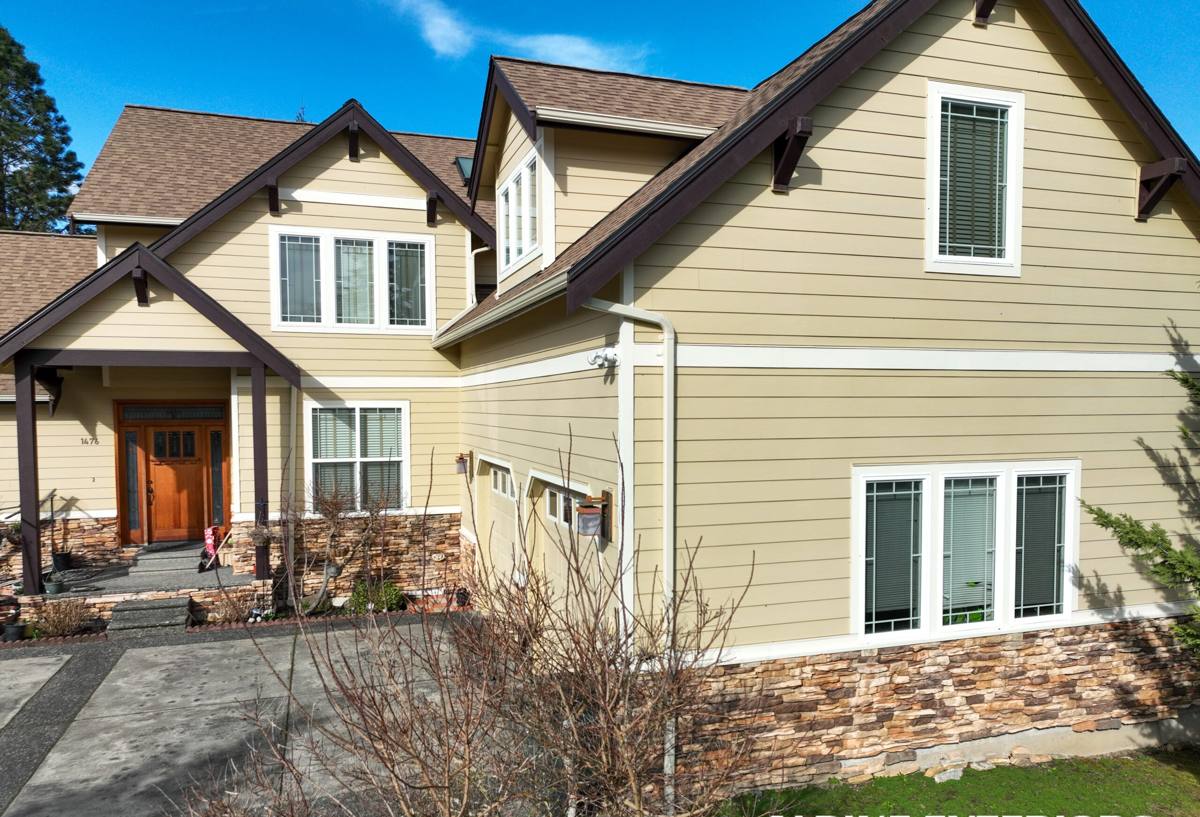
What Attic Ventilation Actually Does
An attic ventilation system has two basic jobs: get rid of excess heat in summer, and get rid of excess moisture year-round. Of the two, moisture control is the bigger deal on the west side of the Cascades, where we don't get the scorching summer heat that drives ventilation decisions in other regions.
Every home generates water vapor — from showers, cooking, laundry, and even just breathing. That vapor rises and, without a place to escape, collects in the attic. In a cold, damp climate like ours, it condenses on the underside of the roof deck and on rafters, creating the perfect conditions for mold, wood rot, and rusted fasteners. A properly ventilated attic gives that moist air a continuous path out before it can condense.
The secondary job — heat control — still matters. A superheated attic in summer bakes shingles from underneath, accelerating the breakdown of asphalt granules and adhesives. It's a smaller factor here than in Phoenix or Sacramento, but it still shortens roof life over time.
Balanced Intake and Exhaust
Good ventilation isn't just about having vents — it's about having the right balance between intake and exhaust. Cooler, drier air needs to enter low (usually through soffit vents under the eaves) and warmer, moisture-laden air needs to exit high (through ridge vents, box vents, or a similar exhaust point near the roof's peak). This creates continuous airflow that sweeps moisture out rather than letting it stagnate.
If a roof has plenty of exhaust vents but little to no intake, the exhaust vents can't do their job — there's no air being pulled through the space to replace what's leaving. We see this constantly on older Bellingham homes where soffits have been painted shut, insulated over, or were never vented to begin with.
Why Bellingham's Climate Raises the Stakes
Three regional factors make ventilation a bigger deal here than in most parts of the country.
Salt Air
Homes closer to Bellingham Bay and the Salish Sea deal with airborne salt that accelerates corrosion on metal roofing components — vent hoods, flashing, fasteners, and ridge caps. A poorly ventilated attic that stays damp compounds this, since trapped moisture combined with salt exposure corrodes metal faster than either factor alone.
Driving Rain
Whatcom County doesn't just get rain — it gets wind-driven rain that can push moisture into vent openings and roof penetrations that aren't detailed correctly. This is why the type and placement of vents matters as much as the total vent area. A poorly designed vent can let in more water than it lets out air.
Long Moss Season
Our extended damp season, especially on north-facing and heavily shaded roof slopes, is ideal for moss and algae growth. Moss holds moisture directly against the shingle surface, and a warm, poorly vented attic underneath makes that surface stay damp even longer between rain events, extending the window moss has to take hold.
Warning Signs of Poor Attic Ventilation
Most ventilation problems don't announce themselves right away. By the time they're obvious, some damage has usually already occurred. Here's what we look for, and what homeowners can check themselves.
- Musty or damp smell when you open the attic hatch
- Visible mold or dark staining on the underside of the roof deck or rafters
- Frost or condensation on nail tips visible from inside the attic on cold mornings
- Ice damming along the eaves in winter, even in our relatively mild climate
- Shingles that are curling, cupping, or aging unevenly across different roof slopes
- Peeling paint or stained ceilings on the top floor with no obvious roof leak
- Noticeably higher heating bills, since a poorly insulated and vented attic loses conditioned air faster
Types of Attic Vents: A Practical Comparison
There's no single "best" vent for every roof — the right combination depends on roof shape, attic layout, and how the home was originally built. Here's how the common options compare.
| Vent Type | Function | Best Suited For | Trade-offs |
|---|---|---|---|
| Ridge vent | Continuous exhaust along the roof peak | Roofs with a clear ridge line and adequate soffit intake | Needs matched intake to work correctly; must be detailed carefully against wind-driven rain |
| Soffit vent | Continuous or individual intake under the eaves | Almost every home as the primary intake source | Often blocked by insulation or paint over time — needs periodic inspection |
| Box / static vent | Individual exhaust points on the roof deck | Roofs without a straight ridge, or as supplemental exhaust | Less efficient than continuous ridge venting; more roof penetrations to seal and maintain |
| Gable vent | Intake or exhaust at the attic's gable end walls | Homes with gable-style attics and limited soffit access | Can short-circuit ridge venting if not balanced correctly; airflow pattern is less predictable |
| Powered attic fan | Mechanically forces air exhaust | Attics with unusual heat buildup or limited passive venting options | Can pull conditioned air from the living space if not sealed properly; adds a mechanical component that requires power and maintenance |
As a general standard, we favor passive, balanced systems — soffit intake paired with ridge or box exhaust — over powered fans wherever the roof geometry allows it. Passive systems have no motor to fail, no electrical draw, and don't risk depressurizing the attic and pulling conditioned indoor air upward through ceiling gaps.
Getting the Sizing Right
Ventilation isn't just "more vents is better." Building codes and manufacturer specifications generally call for a minimum ratio of net free vent area to attic floor area — commonly expressed as 1:300 when a vapor barrier is properly installed, or 1:150 without one. That ratio also needs to be split appropriately between intake and exhaust, usually close to 50/50.
Undersized systems leave moisture with nowhere to go. Oversized or unbalanced systems can actually work against each other — for example, too much high exhaust relative to intake can pull air backward through the wrong openings, sometimes drawing in rain or pulling conditioned air from the living space below.
Common Mistakes We Encounter on Bellingham Homes
A lot of ventilation problems aren't the result of bad original design — they're the result of changes made over the years without considering how they affect airflow.
- Blown-in or batt insulation pushed into the soffit area, blocking intake air entirely
- Bathroom exhaust fans vented directly into the attic instead of outside through the roof or wall, dumping moist air right where you don't want it
- Mixing vent types (like ridge vents and gable vents) in a way that short-circuits airflow instead of creating a clean intake-to-exhaust path
- Vent openings painted shut or covered during siding or trim work
- Older homes with no soffit venting at all, relying on a single roof vent or none
What This Means for Roof Replacement or Repair
When we're on a roof for a repair or full replacement, we treat ventilation as part of the job, not an afterthought. It doesn't make sense to install a new roof system on top of an attic that's still going to trap moisture the same way it did before — that just resets the clock on the same underlying problem. Reputable shingle manufacturers also tie their material warranties to proper ventilation; a roof deck that's failed due to trapped moisture from inadequate airflow can complicate a warranty claim that would otherwise be straightforward.
This is also why a roof inspection that only looks at the shingles from the ground is incomplete. Attic conditions tell a more honest story about a roof's real health than the exterior surface does.
A Quick Homeowner Checklist
You don't need to climb into your attic to get a general sense of whether ventilation is doing its job. Here's a simple self-check:
- Open the attic access and check for a musty smell or visible moisture staining
- Look outside at your soffits — are the vent openings clear, or painted/blocked?
- Check whether bathroom and kitchen exhaust fans actually vent outside, not just into the attic
- After a cold night, look for frost or condensation on the underside of the roof deck
- Note whether snow or frost on the roof melts unevenly between sections — a sign of uneven attic temperatures
- If your roof is more than 10-15 years old, ask your roofer to evaluate ventilation alongside shingle condition
If you're not sure whether your attic is ventilated the way it should be, we're happy to take a look. We offer free, no-pressure estimates and can walk you through exactly what we find — no obligation, no upsell pressure, just a straight answer about what your roof and attic actually need.