 Bellingham Roofing
 Exterior Work Built for Edgemoor's Waterfront Climate
Edgemoor sits along the bluffs and shoreline of Bellingham Bay, and that location shapes everything about how a home ages here. Salt-laden air off the water, heavy tree cover on many lots, and long stretches of wind-driven rain put more stress on a roof, siding, and windows than homes just a few miles inland ever see. We've worked on enough exteriors in this part of Whatcom County to know that "good enough" materials and installation methods elsewhere don't always hold up the same way here.
This page walks through what Edgemoor homeowners typically deal with, how we approach roofing, siding, windows, and decks for this kind of exposure, and what to actually look for when you're hiring someone to do the work.
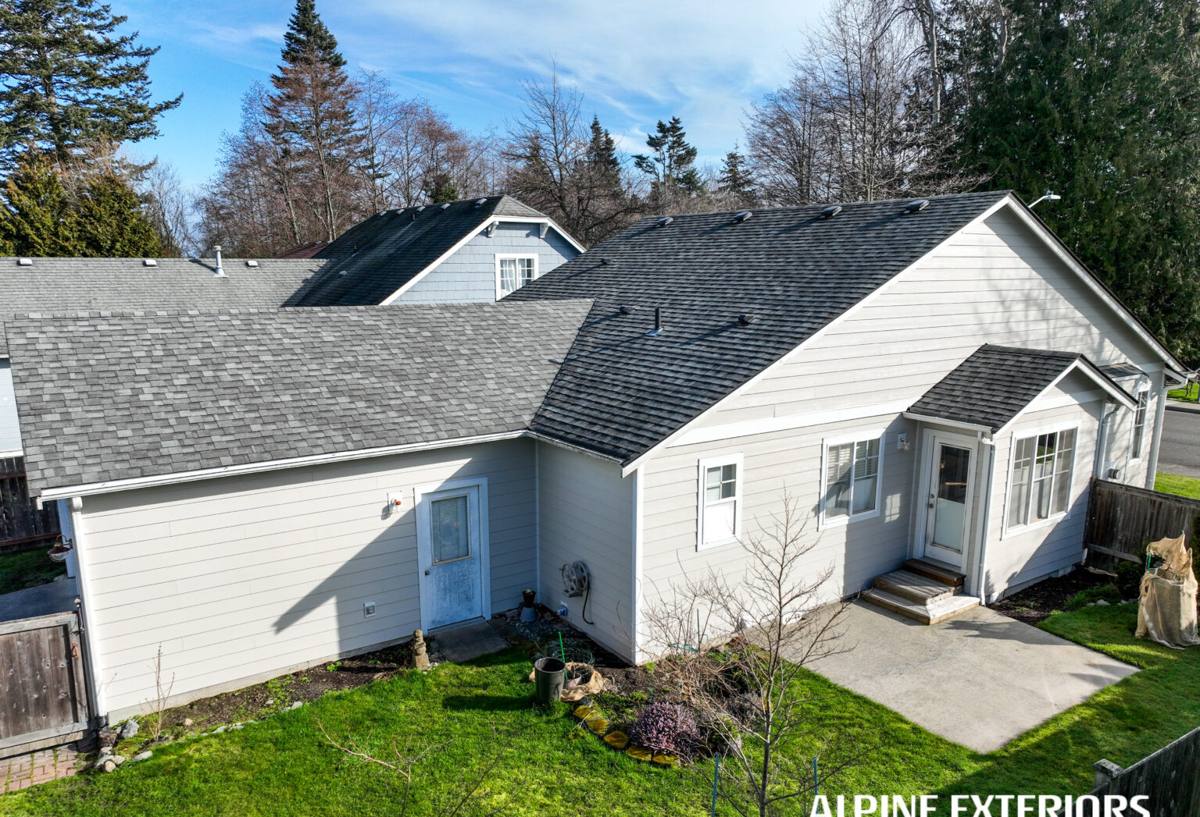
What Edgemoor Homes Are Up Against
Salt Air and Corrosion
Proximity to Bellingham Bay means airborne salt is a real factor for anything metal on the exterior of a house — flashing, fasteners, gutters, hardware, and some siding trims. Salt exposure accelerates corrosion on lower-grade metals and can shorten the life of fasteners that would otherwise last decades. It's not dramatic or fast, but it's steady, and it's one of the first things we check on an older Edgemoor home during an inspection.
Moss, Shade, and Tree Cover
A lot of Edgemoor's charm comes from mature trees and wooded lots, but that same canopy keeps roof surfaces shaded and damp for longer stretches than a home in an open, sunny area. Bellingham's mild, wet climate already supports a long moss season most of the year; heavy shade just extends it. Moss and algae growth isn't only a cosmetic issue — over time it holds moisture against roofing material, works into shingle laps, and can shorten the effective lifespan of a roof that would otherwise perform fine.
Driving Rain and Wind Exposure
Bluff-side and waterfront lots catch wind off the bay that inland neighborhoods don't. That wind drives rain sideways into siding, window edges, and roof transitions — places that stay relatively dry on a sheltered lot but take a beating on exposed ones. Flashing details, window sealant, and siding laps that are "close enough" on a calm site tend to get found out fast on an exposed one.
Roofing in Edgemoor
For most Edgemoor homes, the roofing conversation starts with two questions: how much shade and moss exposure does this roof get, and how much wind and rain does it take directly off the water? Both affect material choice, ventilation needs, and how often the roof should be inspected.
Material Considerations for This Area
| Roofing Material | How It Handles Moss/Shade | How It Handles Salt Air & Wind-Driven Rain |
|---|---|---|
| Architectural asphalt shingles | Good with proper ventilation and periodic cleaning; algae-resistant granules help but don't eliminate moss risk in heavy shade | Performs well when flashing and fasteners are corrosion-resistant grade |
| Standing seam metal | Sheds moss buildup better due to smooth, steep surfaces | Needs marine-grade or coated fasteners near the water to avoid premature corrosion |
| Cedar shake | More vulnerable to moss and rot in shaded, damp conditions without diligent upkeep | Can perform well but requires more consistent maintenance in wind-driven rain areas |
| Composite/synthetic shingle | Generally resistant to moss-related degradation | Handles salt air well; less sensitive to fastener corrosion issues |
We don't push one product on every home. The right call depends on how much sun the roof gets, how close the lot is to the water, the home's architecture, and the homeowner's tolerance for maintenance versus upfront cost.
Ventilation Matters More Here
A shaded, damp roof deck needs airflow to dry out between rain events. Poor attic ventilation on an Edgemoor home traps moisture underneath the roofing material, which accelerates rot in the decking and shortens shingle life regardless of how good the shingles are. When we inspect a roof here, we're checking intake and exhaust ventilation just as closely as the surface material itself.
Flashing and Fasteners
This is where salt air does the most damage if it's overlooked. We use corrosion-resistant flashing and fastener grades on Edgemoor roofs as a standard practice, not an upgrade option, because standard-grade hardware simply doesn't hold up as long this close to the bay.
Siding for Salt Air and Moisture
Siding on an Edgemoor home has to manage two things at once: resist moisture intrusion from driving rain, and hold up cosmetically and structurally against salt air over years of exposure. Wood siding can work well here, but it demands a real maintenance commitment — repainting or resealing on a schedule, not "whenever it starts looking rough." Fiber cement and quality vinyl products generally require less upkeep and handle moisture cycling more predictably, which is why we lean toward them for lower-maintenance installs on exposed or heavily shaded lots.
Why Installation Detail Matters as Much as Material
Most siding failures we see aren't about the product — they're about house wrap, flashing at windows and doors, and butt joint sealing that wasn't done tight enough for the amount of wind-driven rain a wall actually receives. On an exposed Edgemoor lot, those details are the difference between siding that lasts and siding that lets moisture behind it within a few years.
Windows: Managing Condensation and Wind-Driven Rain
Windows facing the water or open exposure take more direct rain impact, and homes with heavy tree cover often deal with more interior condensation from ambient humidity. We look at both when discussing window work in Edgemoor:
- Flashing and sill pan detail — proper sealing at the sill and jambs keeps wind-driven rain from working behind the window frame over time.
- Glazing performance — double- or triple-pane options with a good low-E coating help manage condensation in shaded, humid conditions.
- Frame material — vinyl and fiberglass frames generally resist moisture-related warping better than untreated wood in this climate.
- Orientation — west- and water-facing windows on exposed lots often warrant a more robust install detail than sheltered, east-facing ones on the same house.
Decks: Built to Handle a Wet Climate
A deck in Edgemoor, especially one with any water view or exposure, sees more rain cycling and, depending on the lot, more salt air than a deck tucked into a sheltered inland yard. Ledger board flashing, joist protection, and fastener choice matter more here than the decking material itself — a beautiful deck surface over an unprotected structure will fail from the inside out. We build in proper flashing at the house connection, use corrosion-resistant hardware, and choose decking (wood or composite) based on how much sun and moss exposure the specific spot gets, not just the homeowner's aesthetic preference.
Composite vs. Wood Decking in This Climate
| Factor | Wood Decking | Composite Decking |
|---|---|---|
| Moss/algae resistance | Lower — needs regular cleaning and sealing in shaded spots | Higher — generally resists moss growth better with less upkeep |
| Salt air tolerance | Fine with maintained finish; hardware corrosion is the bigger risk | Handles salt air well; still needs corrosion-resistant fasteners |
| Maintenance cycle | Cleaning/sealing every 1-2 years typically | Occasional washing; no sealing required |
| Upfront cost | Generally lower | Generally higher |
A Simple Maintenance Checklist for Edgemoor Homeowners
Regardless of what's currently on your roof, siding, or deck, a few habits go a long way in this environment:
- Clear moss and debris off the roof and out of gutters before the wet season builds up, especially on shaded sections
- Check flashing around chimneys, skylights, and roof-to-wall transitions annually for gaps or lifted edges
- Rinse salt residue off siding and hardware periodically if your lot faces open water or wind off the bay
- Inspect window sills and caulking each fall before the heaviest rain arrives
- Look under deck boards near the house connection for signs of moisture staining or soft wood
- Trim back tree limbs that keep roof sections shaded and slow-drying
Why a Local Crew Makes a Difference
A crew that works across Whatcom County regularly, rather than one crew that occasionally passes through, knows which details actually matter on an Edgemoor lot versus a sheltered inland property in Bellingham. That's not a sales pitch — it's the difference between someone who defaults to generic installation standards and someone who adjusts fastener grade, flashing detail, and ventilation planning based on how exposed a specific home actually is. We've seen both approaches age very differently on homes just a few blocks apart.
We also know that Edgemoor's mix of older homes and newer construction means every project starts with an honest look at what's actually there — not an assumption based on the neighborhood's reputation. Some homes need full replacement; others just need the details fixed that were missed the first time around.
How We Approach a Project Here
For roofing, siding, window, or deck work in Edgemoor, our process starts with an on-site inspection focused on the specific exposure of your lot — sun, shade, wind direction, and proximity to the water all factor into our recommendation. We'll walk you through material options with honest trade-offs, not just the highest-margin choice, and explain why certain details (flashing grade, fastener type, ventilation) are non-negotiable for this area even if they add a little to the cost.
If you're seeing moss buildup, salt staining, drafty windows, or a deck that feels soft near the house, it's worth having it looked at before the next wet season sets in rather than after damage has already spread. We're happy to walk your property, point out what we see, and give you a straightforward estimate — no pressure, no upsell script. Reach out through the form below to get started.