 Bellingham Roofing
 Roofing in Blaine: Built for a Coastal Climate
Blaine sits right on the water at the top of Whatcom County, and that location shapes everything about how a roof ages here. Homes facing Semiahmoo Bay or Drayton Harbor take a steady diet of salt-laden air, wind-driven rain, and long stretches of gray, damp weather that never quite lets a roof dry out completely. Add in the shade from mature evergreens that many Blaine properties are built around, and you have a near-perfect setup for moss, algae, and slow moisture damage that homeowners further inland simply don't deal with in the same way.
We work on homes throughout Bellingham and Whatcom County, and Blaine roofs get their own kind of wear. It's not dramatic storm damage most of the time — it's the slow accumulation of small problems that come from constant moisture exposure. Understanding that difference is the first step in choosing the right materials and maintenance plan for a house in this area.
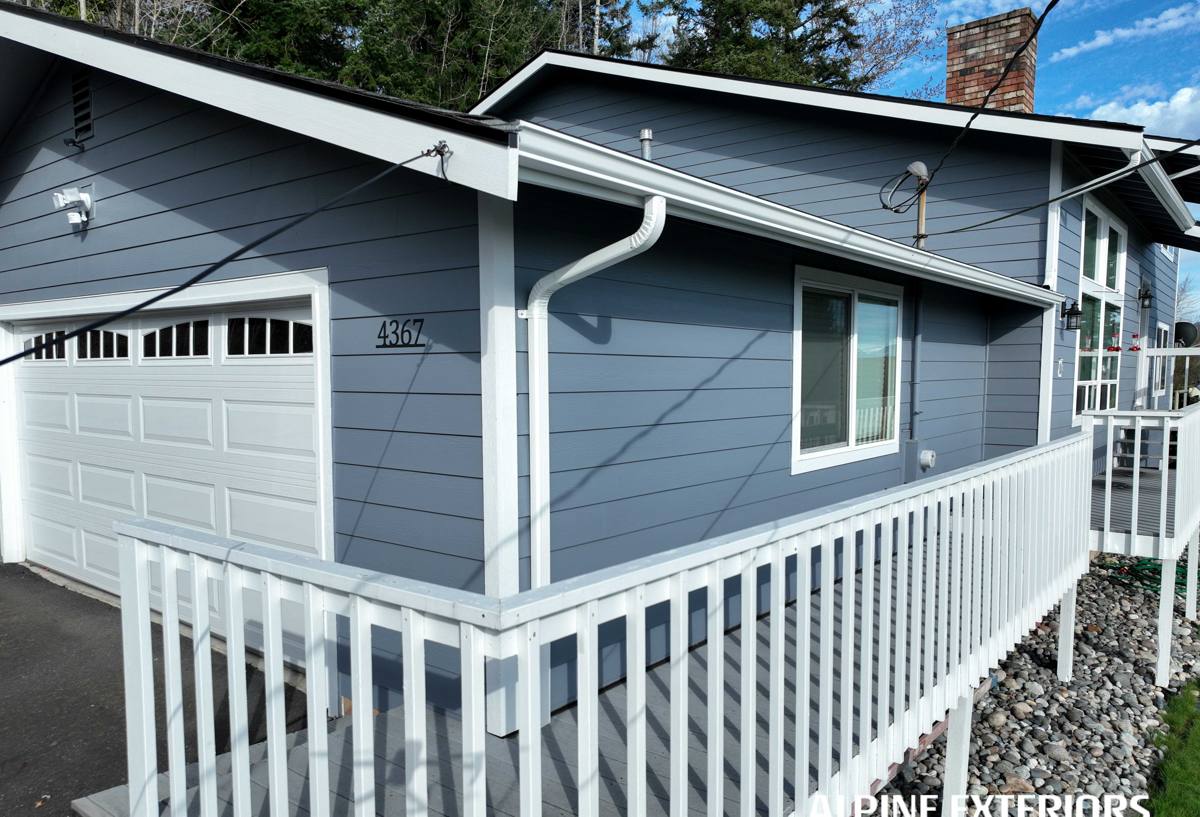
What Salt Air and Driving Rain Actually Do to a Roof
Salt air is corrosive to exposed metal — flashing, fasteners, gutters, and vent caps all take longer-term wear near the water than they would a few miles inland. Over years, cheaper or improperly coated metal components can pit, rust, or fail at the fastener before the surrounding roofing material shows any wear at all. That's why the quality of flashing and fastener material matters more here than it does on a typical inland home.
Driving rain, meanwhile, is a wind problem as much as a water problem. When rain comes in sideways off the water, it can work its way under shingles, siding laps, and window trim that would shed a straight-down rain just fine. This is why proper underlayment, ice-and-water barrier at vulnerable areas, and correctly lapped flashing details matter more for a Blaine roof than the shingle brand printed on the wrapper.
Where We See the Most Wear
- Valleys and eaves facing prevailing wind and water direction
- Flashing around chimneys, skylights, and roof-to-wall transitions
- North-facing slopes that stay shaded and damp longer after rain
- Gutter systems and downspouts, especially near mature tree cover
Moss and Algae: The Long Season Nobody Talks About
Whatcom County's moss season is long compared to drier parts of the state, and Blaine's combination of moisture, shade, and mild temperatures keeps conditions favorable for growth most of the year. Moss doesn't just sit on a roof looking messy — as it grows, it holds moisture against the roofing surface and can work its way under shingle edges, lifting them slightly over time and creating small entry points for water. Left unchecked for years, that slow lifting process shortens the useful life of an otherwise sound roof.
Algae staining (the dark streaking many homeowners notice on north-facing slopes) is mostly cosmetic, but it's a sign of a roof surface that stays damp longer than it should. Many current shingle products include algae-resistant granules, which is one reason we discuss that option specifically with Blaine homeowners rather than treating it as an afterthought.
Choosing Roofing Materials for a Marine Climate
There's no single "best" roofing material for every home — the right choice depends on the roof's exposure, the home's architecture, and the homeowner's maintenance preferences. What we do emphasize for Blaine properties is moisture performance and ventilation, since those two factors do more to determine long-term roof health here than material choice alone.
| Material | Moisture & Moss Resistance | Maintenance Needs | Typical Lifespan |
|---|---|---|---|
| Architectural asphalt shingle (algae-resistant) | Good, especially with AR granules | Periodic moss/debris removal | 25-30 years |
| Standing seam metal | Very good; sheds moisture and moss quickly | Low; occasional fastener/coating check | 40-60 years |
| Cedar shake | Requires diligent upkeep in damp climates | High; regular treatment and inspection | 20-30 years with upkeep |
| Synthetic/composite shingle | Good; engineered for moisture resistance | Low to moderate | 30-50 years |
We're honest with homeowners about trade-offs rather than pushing one product line. Cedar shake, for example, can look beautiful on the right home, but it demands a maintenance commitment that not every homeowner wants to take on in a climate this wet. Metal roofing sheds moss and moisture better than almost anything else, but it comes with a higher upfront cost and a different aesthetic that doesn't suit every house. Our job is to lay out those trade-offs honestly so the decision fits the home and the homeowner, not a sales quota.
It's Not Just the Roof: Siding, Windows, and Decks
A house near the water takes on moisture through more than just the roof, which is part of why we handle siding, windows, and decks as a connected system rather than separate projects. Siding near Blaine's waterfront deals with the same salt air and wind-driven rain as the roof — lap joints, corner trim, and areas around window and door openings are where poor installation shows up first as staining, soft spots, or paint failure.
Windows in this climate need reliable flashing and sealant details at the frame, since driving rain will find any gap in the weather barrier over time. Older single-pane or poorly flashed windows are also a common source of condensation and fogging in the marine air common to this area. Decks, especially those facing open water or wind, see faster wear on fasteners and connectors and benefit from materials and hardware rated for coastal exposure rather than standard interior-grade hardware.
Why We Treat These as One System
Water that gets past a roof edge or a poorly flashed window often shows up somewhere else entirely — a stain on an interior wall, a soft spot in siding a few feet away, or rot at a deck ledger board. Because we do all four trades, we look at how water moves across the whole exterior of the home, not just the one component a homeowner called about.
Maintenance That Actually Matters Here
Regular maintenance does more for a Blaine home's exterior than almost any upgrade. Because of the moss season and salt air, the maintenance checklist for this area looks a little different than it would for a drier inland home.
- Clear moss and debris from roof valleys and north-facing slopes at least once a year
- Clean and inspect gutters and downspouts more frequently if you're under tree cover
- Check flashing around chimneys, skylights, and roof penetrations for lifting or corrosion
- Rinse siding periodically to remove salt residue and organic buildup
- Inspect window sealant and caulking annually, especially on wind-exposed elevations
- Check deck fasteners and connectors for corrosion, particularly on waterfront properties
None of this requires a major investment of time or money, but it does require doing it consistently. A ten-minute gutter check twice a year is far cheaper than the repair bill that comes from ignoring a clogged downspout through two rainy seasons.
What Drives Cost on a Blaine Exterior Project
Homeowners understandably want to know what affects price before they even get an estimate. For Blaine specifically, a few local factors tend to matter more than they would elsewhere in Whatcom County.
| Factor | Why It Matters Here |
|---|---|
| Wind/water exposure of the site | Waterfront and open-exposure homes often need upgraded flashing and fastening details |
| Existing moss or moisture damage | Hidden deck rot under moss growth can add repair scope once uncovered |
| Roof pitch and access | Affects labor time and safety equipment needs |
| Material choice | Metal and composite options cost more upfront but reduce long-term maintenance |
| Tree cover and shading | May call for added ventilation or moss-resistant material upgrades |
We walk every property in person before quoting, because photos and satellite views miss the details — like how much shade a roof gets in the afternoon, or whether flashing was installed correctly the first time — that actually determine scope and cost.
Hiring Right: What to Look for in a Local Contractor
Blaine homeowners are often weighing bids from companies based well outside the area, and it's worth knowing what that trade-off actually means. A crew that works in this climate regularly understands moss behavior, salt-air corrosion, and driving-rain flashing details as routine, not as an unusual edge case they're learning on your roof.
- Ask how the contractor handles flashing at valleys, chimneys, and wall transitions — this is where most leaks start
- Confirm they're licensed and insured to work in Washington State
- Ask for a written scope that specifies underlayment, flashing materials, and ventilation — not just "shingles and labor"
- Ask how they handle moss removal and whether it's included or billed separately
- Get a clear warranty explanation in writing, including what's covered by the manufacturer versus the installer
A lower bid that skips proper flashing detail or underlayment upgrades can cost far more over a decade than a slightly higher bid that gets it right the first time. We'd rather explain that trade-off up front than have a homeowner learn it the hard way.
Our Approach for Blaine Homes
When we work on a property in Blaine, we start with an honest look at the whole exterior — roof, siding, windows, and deck — because problems in one often trace back to another. We talk through material options in plain terms, including the maintenance commitment each one carries, and we build a scope of work that accounts for this area's exposure to salt air, wind-driven rain, and a moss season that runs longer than most homeowners expect.
We're a Bellingham-based crew that works across Whatcom County, including Blaine and the surrounding waterfront communities, so this climate isn't a special case for us — it's simply where we work every week.
If you'd like an honest look at your roof, siding, windows, or deck, we offer free, no-pressure estimates. There's a form below to get started whenever you're ready.