 Bellingham Roofing
 South Hill's Roofing Climate: What You're Really Fighting
South Hill sits up in elevation relative to much of Bellingham, which means more direct exposure to wind off Bellingham Bay and the Strait of Georgia. That combination of salt-laden air, driving rain, and heavy tree cover creates a set of roofing conditions that a lot of standard installation practices simply weren't built for. A roof that would hold up fine in a drier inland climate can fail early here if it wasn't installed with this specific exposure in mind.
Three things define roofing in this part of Whatcom County: salt air that accelerates corrosion on exposed metal, wind-driven rain that gets pushed sideways and upward under standard flashing details, and a moss season that runs longer than most homeowners expect — often eight months or more of the year with enough moisture and shade to support growth. A new roof installation on a South Hill home needs to account for all three from the first shingle or panel, not patch around them later.
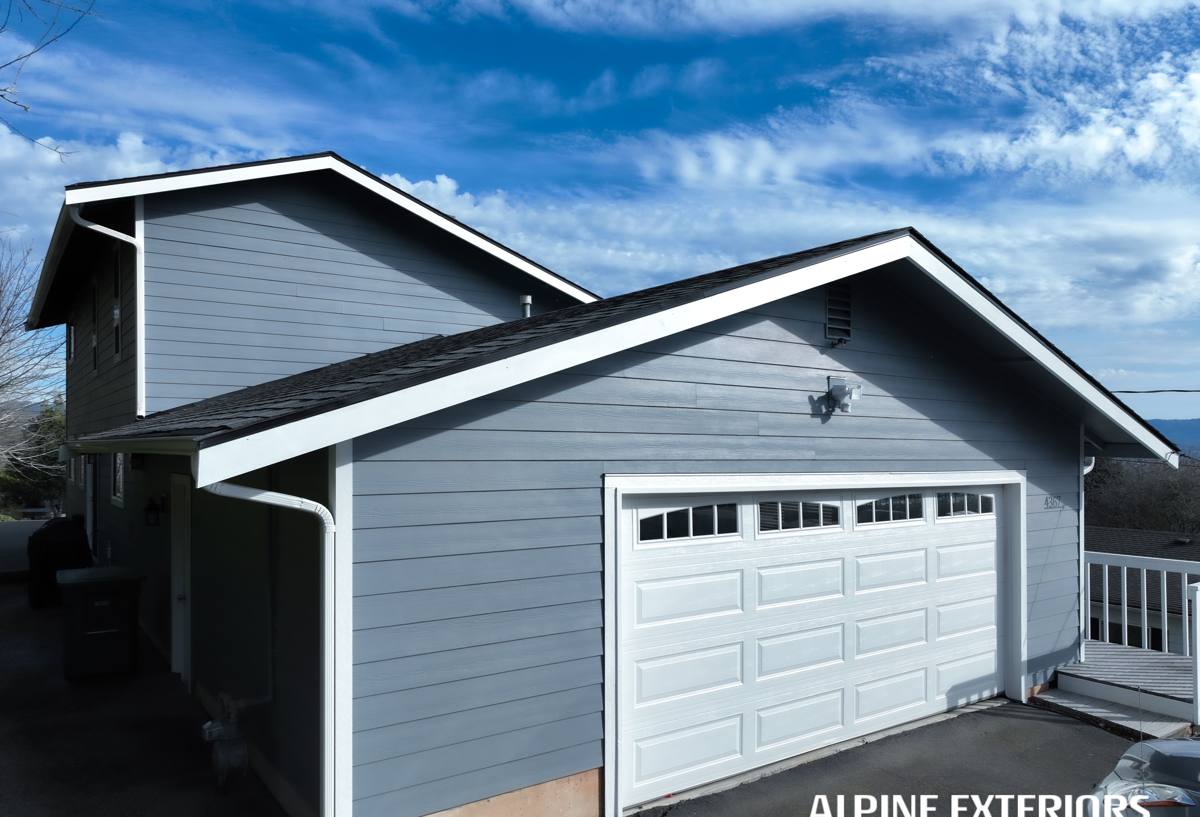
What a Correct New Roof Installation Actually Involves
A roof replacement is more than swapping old material for new. The parts of the job that don't show up in a photo are usually the parts that determine whether the roof lasts 15 years or 30.
Tear-Off and Deck Inspection
Every full replacement starts with removing the old roofing down to the deck. This is the point where hidden problems surface — soft or delaminated plywood, rot around old flashing penetrations, or framing damage from a slow leak that was never visible from inside the attic. Any compromised sheathing gets replaced before anything new goes down. Skipping this step, or only spot-checking, is one of the most common shortcuts that leads to early failures.
Underlayment and Water Protection
In a climate with driving rain, the underlayment layer matters almost as much as the visible roofing material. We use synthetic underlayment across the full roof and add self-adhering ice-and-water membrane at the vulnerable spots — valleys, eaves, around chimneys and skylights, and anywhere wind-driven water is most likely to find a way in. This is the layer that keeps a small flashing gap from turning into a ceiling stain.
Ventilation
Attic ventilation is easy to overlook and expensive to ignore. A roof deck that can't breathe traps moisture, which speeds up rot, encourages mold, and shortens the life of the roofing material from underneath. On a new installation we check that intake at the eaves and exhaust at the ridge are balanced and sized correctly for the attic, not just left as they were on the old roof.
Flashing and Penetration Details
Chimneys, vents, skylights, and wall-to-roof transitions are where most leaks actually start, not out in the open field of the roof. Flashing gets replaced as part of a proper installation, formed and layered so water sheds correctly even when wind is pushing rain sideways, which happens regularly during South Hill storms.
Choosing a Roofing Material Built for This Neighborhood
There isn't one "best" roofing material for every home — it depends on the roof's pitch, the home's style, tree cover, and budget. But some materials are a more natural fit for salt air and heavy moss exposure than others.
| Material | How It Handles Salt Air | How It Handles Moss/Shade | Typical Lifespan |
|---|---|---|---|
| Architectural asphalt shingle | Good with corrosion-resistant fasteners and flashing | Needs periodic cleaning in shaded areas | 25-30 years |
| Standing seam metal | Excellent with proper coated/coastal-rated panels | Sheds moss well due to smooth, steep surface | 40-50+ years |
| Synthetic composite (slate/shake-look) | Good, resists moisture absorption | Better moss resistance than wood shake | 30-50 years |
| Cedar shake | Requires diligent maintenance near salt exposure | Highest moss/moisture risk without regular upkeep | 20-30 years with upkeep |
We steer most South Hill clients toward architectural asphalt or standing seam metal, specifically because both handle sustained moisture exposure with the least ongoing maintenance burden. Cedar shake can still be the right call on the right home, but it's an honest conversation about the extra maintenance commitment that comes with it in this climate, not a product we'd talk anyone into blind.
Our New Roof Installation Process
The process is the same core sequence on every full replacement, adjusted for the specifics of the home:
- On-site assessment. We walk the roof, check the attic, and look at drainage, tree cover, and existing damage before recommending anything.
- Written estimate. Material options, scope, and price are laid out clearly, with the reasoning behind the recommendation explained, not just a number.
- Scheduling around weather. Tear-off and dry-in are timed to avoid extended exposure to open sky during a wet stretch, which matters more here than in drier climates.
- Tear-off and deck repair. Old material comes off, the deck is inspected, and any damaged sheathing is replaced.
- Underlayment, flashing, and ventilation. The water-management layer goes down correctly before any finish material is installed.
- Installation of new roofing. Manufacturer specifications are followed for fastening patterns, exposure, and nailing zones — this is what keeps warranties valid.
- Final walkthrough. We review the finished roof, gutters, and any flashing details with the homeowner before calling the job complete.
Cost Factors for a South Hill Roof Replacement
Roof replacement pricing depends on more than square footage. The factors below tend to move the price up or down the most:
| Factor | Why It Affects Cost |
|---|---|
| Roof pitch and complexity | Steep or multi-plane roofs take longer and require more safety equipment |
| Deck condition | Rotted or soft sheathing found during tear-off adds repair cost |
| Material choice | Metal and synthetic materials cost more upfront than standard asphalt shingle |
| Number of penetrations | Each chimney, skylight, and vent needs its own flashing work |
| Tree cover and access | Limited access or heavy overhanging trees can slow the job and require extra cleanup |
| Existing moss or moisture damage | Long-term moss growth can hide deck damage that isn't visible until tear-off |
Every one of these can shift a quote meaningfully, which is why an accurate estimate requires an actual on-site look rather than a phone-quoted price per square.
Why a Crew That Already Works South Hill Makes a Difference
A crew that's worked roofs across South Hill and the surrounding Bellingham area already knows which details matter most here — how far up under the shingles wind-driven rain can push, which tree-heavy streets need extra moss prevention built in, and how the salt air off the bay tends to age exposed fasteners and flashing faster than inland installations. That local pattern recognition shows up in small decisions during the install: fastener choice, underlayment placement, and where to add extra ice-and-water protection even when it's not strictly required by code.
It also matters for warranty support. A local, licensed and insured crew that's still around next year — and the year after — is the one who actually stands behind the work if something needs a look.
Protecting Your New Roof After Installation
A correctly installed roof still benefits from basic seasonal upkeep, especially in a climate that supports moss growth for most of the year.
- Keep gutters clear so water isn't backing up under the roof edge during heavy Whatcom County rain
- Trim back overhanging branches to reduce shade and debris buildup on the roof surface
- Have moss growth treated early rather than letting it establish and hold moisture against the roofing material
- Check flashing around chimneys and vents after major windstorms
- Schedule a roof inspection every year or two, even without an obvious problem
None of this replaces professional inspection, but it meaningfully extends the life of a well-installed roof.
Permits, Timing, and Planning Around Local Weather
Roof replacements in the City of Bellingham typically require a permit, and any reputable contractor should be pulling that permit as part of the job rather than leaving it to the homeowner. Beyond paperwork, timing matters: because South Hill sees extended wet stretches, we plan installations to minimize the amount of time the deck is exposed before dry-in is complete. A rushed schedule that leaves plywood open to an unexpected system moving in off the strait is how avoidable water damage happens mid-project.
If your South Hill roof is aging, showing granule loss, holding moss in shaded sections, or you're simply planning ahead before a leak forces the decision, we're happy to take a look and talk through honest options — no pressure, no obligation. A free estimate is a good starting point, and the form below is the easiest way to get one scheduled.