 Bellingham Roofing
 Fiber Cement Siding Built for the York Neighborhood's Climate
Homes in York and the surrounding Bellingham neighborhoods sit close enough to Bellingham Bay that salt-laden air is a daily fact of life, not an occasional nuisance. Add in Whatcom County's long stretch of driving rain and the shaded, damp conditions that let moss and algae take hold on north- and west-facing walls, and you have a climate that is genuinely hard on exterior siding. Some products handle that combination well. Others don't — and the difference usually doesn't show up until years five through ten, when the homeowner is stuck with a repaint, a rot repair, or a full re-side that could have been avoided with the right material and the right installation the first time.
This page focuses specifically on fiber cement siding for York-area homes: what the local climate actually does to a wall assembly over time, what correct fiber cement installation requires, and why we only install James Hardie products rather than the lower-cost fiber cement and composite alternatives on the market.
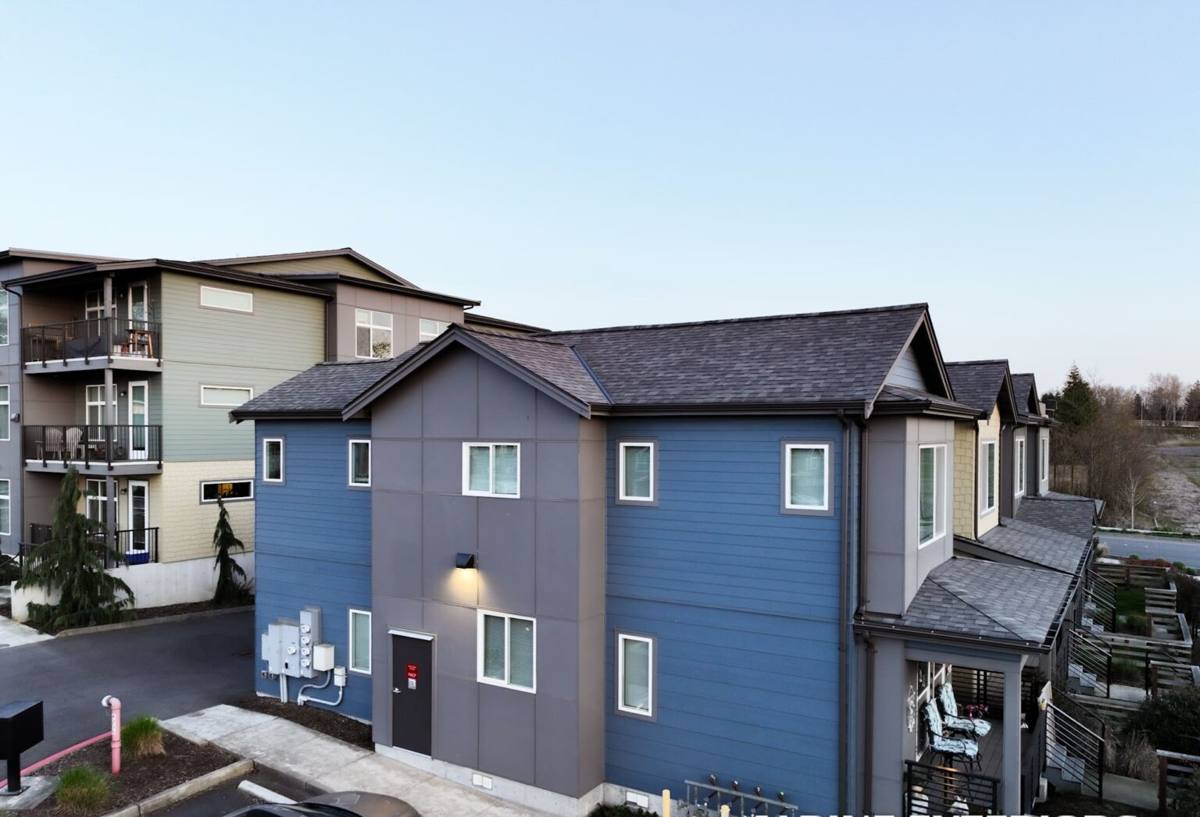
What Bellingham's Climate Does to Siding Over Time
Salt Air and Metal Fasteners
Proximity to the bay means airborne salt settles on every exterior surface, including fasteners, flashing, and trim. Over years, salt exposure accelerates corrosion on anything that isn't rated for it. This is one reason fastener choice and flashing material matter as much as the siding panel itself — a beautiful siding job with the wrong fasteners will show rust streaks and failure points well before the siding panels themselves are due for attention.
Driving Rain and Wind-Driven Moisture
Bellingham doesn't just get rain — it gets rain pushed sideways by wind off the water, which means water finds its way into laps, joints, and penetrations that a calmer climate would never test. Siding systems that rely on caulk alone to keep water out, rather than proper drainage and flashing detail, tend to fail in this kind of weather. Water that gets behind siding and can't get back out is the single biggest cause of rot and sheathing damage we see on re-side projects.
Moss and Algae Season
Whatcom County's mild, wet winters and shaded lots create ideal conditions for moss and algae growth on siding, especially under eaves, behind landscaping, and on north-facing walls that don't get much direct sun. Some siding materials are essentially food for these organisms or hold moisture against their surface long enough for growth to take hold. Others resist it far better. This is a real, ongoing maintenance factor for York homeowners, not a cosmetic afterthought.
Why We Install Only James Hardie Fiber Cement
We made a deliberate decision as a company to install James Hardie fiber cement siding exclusively — we do not install vinyl, LP SmartSide, cedar, primed spruce, or other fiber cement brands like Cemplank or Allura. That's not a marketing position; it's a standard we hold because of what we've seen hold up in this exact climate over time.
- Non-combustible core: James Hardie siding is fiber cement, not wood-based or vinyl, which changes how it performs in fire exposure situations compared to combustible siding materials.
- ColorPlus factory finish: a baked-on finish applied under controlled factory conditions holds color and resists the fading and peeling that field-applied paint struggles with in wet, low-sun climates.
- Climate-engineered product lines: Hardie manufactures different formulations (HZ5 and HZ10 zone-specific products) engineered for different moisture and freeze-thaw conditions, rather than a single one-size-fits-all board.
- Transferable warranty: Hardie's warranty structure is well established and transfers to future owners, which matters for resale in a market like Bellingham's.
Other fiber cement brands and composite products aren't necessarily bad materials — but we've standardized on one system so we can guarantee installation quality, warranty support, and long-term performance without managing multiple product lines with different quirks, fastening requirements, and finish systems.
What a Correct Fiber Cement Siding Installation Involves
Fiber cement is an excellent material, but it is only as good as the installation behind it. Most of the siding failures we get called out to inspect in Bellingham aren't material failures — they're installation shortcuts. A correct job includes:
Water Management Before the First Board Goes Up
Weather-resistant barrier, correctly lapped and taped seams, and properly integrated window and door flashing all have to be right before siding installation even starts. This is the layer that actually keeps water out of the wall assembly — the siding is the second line of defense, not the only one.
Proper Fastening and Clearances
James Hardie specifies fastener type, spacing, and penetration depth for a reason, and those specs change based on wind exposure and substrate. We also hold proper clearances from grade, roof lines, decks, and other siding terminations — gaps that are too tight trap moisture and defeat the product's own drainage design.
Caulking and Joint Treatment
Hardie's install guidelines are specific about which joints get caulked, which get flashed, and which should be left to shed water naturally. Over-caulking is almost as common a problem as under-caulking — sealing a joint that's supposed to drain just traps water behind it.
Finish Integrity
Cut edges and any field-touched areas need proper sealing to maintain the factory finish's protection. Sloppy cutting and touch-up work is one of the fastest ways to shorten the life of an otherwise well-installed siding job.
Signs Your York-Area Home's Siding Needs Attention
| What You're Seeing | Likely Cause | Urgency |
|---|---|---|
| Dark streaking or green film on north-facing walls | Moss/algae growth from persistent shade and moisture | Low — maintenance item, but monitor |
| Soft or spongy spots when pressed | Moisture intrusion and possible sheathing damage behind siding | High — needs inspection soon |
| Rust streaks near fasteners or trim | Corrosion from salt air exposure on non-rated hardware | Medium — worth addressing before it spreads |
| Visible gaps, cracked caulk, or warping at joints | Failed water management or material movement | Medium to high depending on extent |
| Peeling or chalky paint film | Field-applied finish breaking down under UV and moisture cycling | Low to medium — cosmetic now, functional later |
Our Process for York-Area Siding Projects
1. On-Site Assessment
We walk the exterior with the homeowner, check for moisture damage, evaluate existing flashing and trim conditions, and discuss which areas of the home take the most weather exposure. Bay-facing and west-facing walls in this neighborhood typically need the most attention.
2. Scope and Product Selection
We spec the right James Hardie panel style, HZ zone product, and ColorPlus finish for the home, and walk through what's included — trim, flashing, fasteners, and any sheathing repair identified during assessment.
3. Preparation and Removal
Old siding comes off, the wall is inspected for hidden damage, and any compromised sheathing or framing is addressed before new materials go on. This step gets skipped by crews trying to move fast — we don't skip it.
4. Weather Barrier and Flashing Install
This is the layer that determines whether the siding job lasts fifteen years or fifty. We install and inspect the water-resistive barrier and flashing details before any siding panel is hung.
5. Siding Installation to Manufacturer Spec
Panels go up per James Hardie's fastening, clearance, and joint-treatment specifications for our region's exposure category.
6. Final Walkthrough and Cleanup
We inspect the completed job with the homeowner, confirm finish and trim details, and clear the site of debris and packaging.
Cost Factors for a Fiber Cement Siding Project
Every home is different, so we don't publish flat per-square-foot pricing — but these are the real variables that move the number for a York-area project:
| Factor | Why It Matters |
|---|---|
| Home size and wall complexity | More corners, dormers, and trim details mean more labor and cut waste |
| Existing siding removal and disposal | Tear-off adds labor and disposal cost versus new construction |
| Sheathing or framing repair | Moisture damage found during removal has to be fixed before new siding goes on |
| Panel style and finish selection | Lap width, texture, and ColorPlus color affect material cost |
| Trim and accessory scope | Fascia, soffit, and trim replacement alongside siding changes total project cost |
| Access and site conditions | Multi-story sections, tight lot lines, and landscaping affect labor time |
Why Hiring a Crew That Already Works in York Matters
Bellingham's exterior conditions aren't uniform across the county — a wall exposed to bay wind and salt spray needs different attention than one tucked into a sheltered, tree-shaded lot a mile inland, and York has both kinds of exposure depending on the block. A crew that regularly works in this neighborhood already understands which walls typically take the worst weather, which older homes tend to have outdated or missing flashing, and how moss and moisture patterns show up locally. That local pattern recognition shortens the assessment phase and helps us catch problems before they're hidden behind new siding.
It also matters for follow-up. A contractor based in and around Bellingham is available for warranty questions, touch-ups, or a second look years down the road — not a crew that did one job in the area and moved on.
Maintenance Checklist for James Hardie Siding in a Coastal, Wet Climate
- Rinse siding annually, especially shaded and north-facing walls, to slow moss and algae buildup
- Inspect caulked joints yearly for cracking or separation, particularly after winter storm season
- Trim back landscaping and tree limbs that keep siding sections shaded and damp
- Check fastener heads and trim edges periodically for early rust staining
- Keep gutters and downspouts clear so overflow doesn't run directly down siding walls
- Address any soft spots, gaps, or visible damage promptly rather than waiting for the next season
If you're in York or anywhere else in the Bellingham area and want a straight answer on what your home's siding actually needs, we're happy to take a look. Request a free, no-pressure estimate using the form below.