 Bellingham Roofing
 Building New in Barkley: What Your Windows Are Up Against
If you're framing a new home or a major addition in the Barkley area, the windows you choose and how they're installed will do more to determine your home's long-term comfort and dryness than almost any other single decision on the job. Barkley sits close enough to the water and the low hills around Bellingham that homes here deal with a specific mix of weather: salt-tinged air moving in off Bellingham Bay, long stretches of driving, wind-blown rain in the fall and winter, and a moss and mildew season that can stretch for months when the clouds settle in. None of that is unusual for Whatcom County, but it does mean a new-construction window installation has to be done with that climate in mind from the very first flashing strip, not fixed later.
New construction gives you an advantage replacement work doesn't: open stud bays, no existing siding to work around, and the chance to build the water management system correctly the first time. That advantage is only real if the crew installing the windows treats it as an opportunity instead of rushing through a step that looks the same whether it's done right or not.
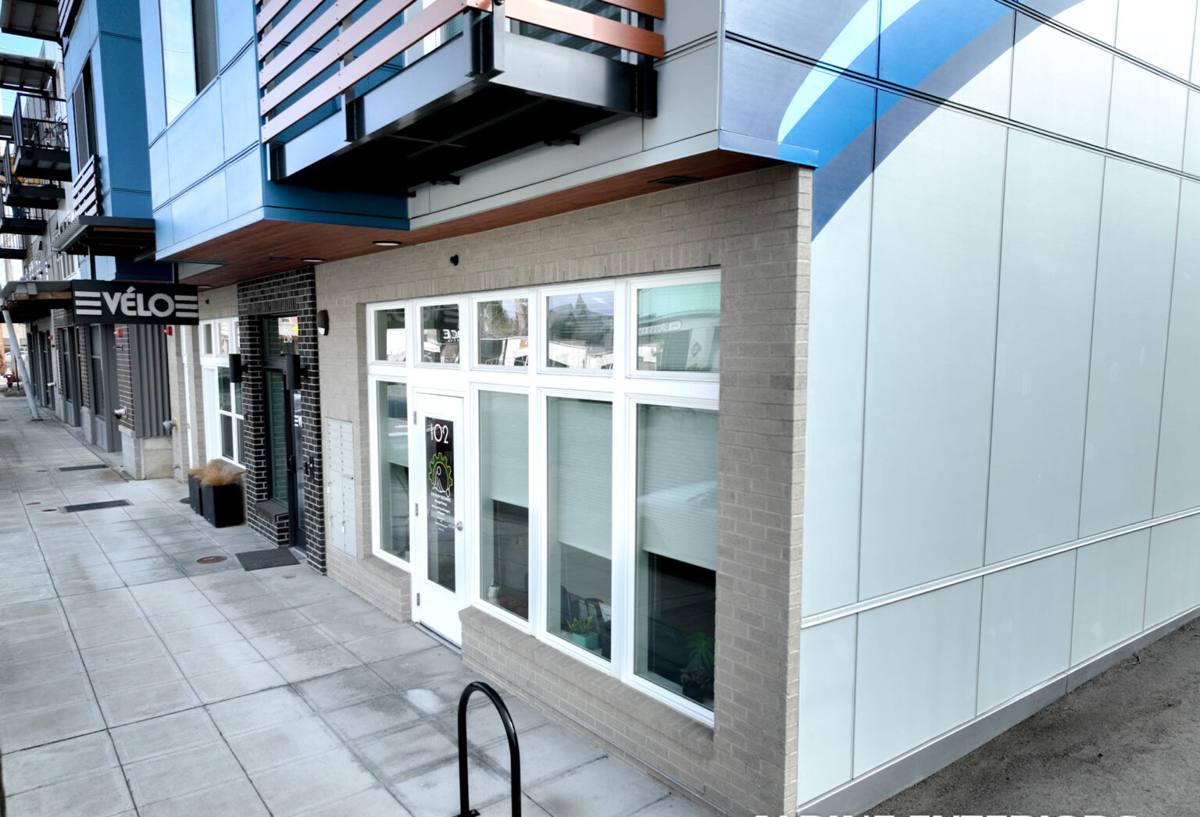
Why New-Construction Windows Are a Different Job Than Replacements
A lot of homeowners assume "new windows" is one category of work. It isn't. Replacement windows get inserted into an existing, already-flashed opening — the old frame usually stays in place. New-construction windows are installed into a bare rough opening, with a nailing fin or flange that gets integrated directly into the home's weather-resistive barrier (the house wrap) and flashing system.
That difference matters because it means the window installer is also, in effect, building part of the wall's waterproofing. Get the sequencing wrong — house wrap over the flange instead of under it at the top, flashing tape applied out of order, a sill pan skipped — and water has a path into the wall assembly that won't show up as a leak for years. By the time it does, it's inside the framing, not just around the window.
What This Means for Barkley Builds Specifically
With the volume of wind-driven rain Whatcom County sees, a marginal flashing job that might get away with it in a drier climate will find the gap here. We treat every new-construction window opening in Barkley as if it will be tested by a sideways rainstorm within its first year — because it usually will be.
What Bellingham's Climate Demands From a New Window Install
A few regional realities shape how we approach every new-construction window job in this area:
- Salt air acceleration: Barkley's proximity to the bay means metal components — flashing, fasteners, hardware — need to be corrosion-resistant, not just standard-grade. Cheaper fasteners and bare aluminum flashing degrade faster this close to salt air.
- Driving rain, not just rain volume: Wind direction during storms pushes water sideways and upward under sills, which is why sill pan flashing and proper shingle-lap sequencing (each layer overlapping the one below it, like roof shingles) matter more here than in calmer climates.
- Moss and organic growth: Months of damp, shaded conditions let moss and algae take hold on any surface that stays wet — including window sills, trim, and the tops of flanges if water is allowed to pool instead of shed.
- Temperature swings between seasons: Whatcom County isn't extreme, but the gap between damp winters and warmer, drier summers still causes materials to expand and contract. Flexible, high-quality sealants matter more than a one-time bead of caulk.
Window Types & Materials: What We Recommend and Why
There's no single "best" window material — the right choice depends on your home's design, budget, and how much upkeep you want to take on. Here's an honest comparison of the main options we install in new-construction openings around Barkley:
| Material | Moisture Performance | Maintenance | Typical Use Case |
|---|---|---|---|
| Vinyl | Good — won't rot, handles moisture well | Low — no painting or sealing needed | Cost-conscious builds, rental or spec homes |
| Fiberglass | Excellent — very stable, resists warping | Low | Homes wanting durability without wood upkeep |
| Wood-clad (aluminum or fiberglass exterior) | Very good on the exterior face; interior wood needs protection from condensation | Moderate — exterior is low-maintenance, interior wood should be finished properly | Homes wanting a wood interior look with a protected exterior |
| Solid wood | Requires diligent maintenance in this climate | High — regular refinishing needed to prevent moisture damage | Historic-style builds where owners commit to upkeep |
For most new construction in a climate like Barkley's, we steer clients toward vinyl, fiberglass, or clad options because they hold up against sustained moisture exposure with far less long-term maintenance. That's not a knock on solid wood windows — they can look great — but we're honest with clients that a wood exterior in this rain pattern is a maintenance commitment, not a one-time purchase.
Our New-Construction Window Installation Process
The steps below are what actually determine whether a window performs for twenty-plus years or starts giving you trouble in five. We don't skip any of them, regardless of schedule pressure.
1. Rough Opening Check
Before a window ever gets set, we verify the opening is square, level, and sized correctly to the manufacturer's specification — not "close enough." An out-of-square opening stresses the frame and can cause the sash to bind or seal poorly for the life of the window.
2. Sill Pan Flashing
We install a sloped sill pan at the base of the opening so any water that gets past the window has a defined path back to the exterior instead of soaking into the framing. This is one of the most commonly skipped steps in fast-track construction, and one of the most important in a rain-heavy climate.
3. Weather-Resistive Barrier Integration
The house wrap and flashing tape get layered in the correct shingle-lap order — sides first, then top, integrated so water always sheds outward and down, never inward. The window's nailing flange gets sealed into this system, not just nailed over it.
4. Setting and Shimming
The window is set plumb, level, and square, shimmed at the manufacturer's recommended points so the frame isn't racked or bowed by the fastening process. A window installed slightly out of square will operate poorly and wear its seals unevenly.
5. Insulation and Air Sealing
The gap between the window frame and rough opening gets filled with a low-expansion foam or backer rod and sealant — never packed tight with standard spray foam, which can bow the frame inward.
6. Exterior Trim and Final Sealant
Trim goes on with weep paths preserved at the sill so water can't pool, and sealant is applied at the joints most exposed to wind-driven rain.
Flashing, Weather Barriers, and the Details That Prevent Callbacks
Most window failures we get called to inspect on newer homes aren't the window's fault — they're a flashing or sequencing error made during the original install. In a climate that sends rain sideways for days at a time, there's very little margin for a shortcut in this part of the job. This is also where corrosion-resistant fasteners and flashing tape rated for long-term exterior exposure matter — cheaper materials can fail years before the window itself would.
Checklist: What to Confirm Before Your Windows Go In
- Rough openings measured and confirmed square before window delivery
- Sill pan flashing specified for every opening, not just ground-floor or high-exposure walls
- Flashing tape and fasteners rated for coastal/salt-air exposure
- Window material and glazing package matched to orientation (south and west-facing walls take more weather)
- Manufacturer's installation instructions on hand and followed — not just "how we've always done it"
- A plan for inspecting flashing before siding closes the wall up
What New-Construction Windows Typically Cost — and What Drives the Range
Every build is different, so we'd rather walk your plans and give you a real number than throw out a figure that doesn't apply. In general, these are the factors that move the price:
| Factor | Effect on Cost |
|---|---|
| Window material (vinyl vs. fiberglass vs. clad) | Vinyl is typically the most budget-friendly; fiberglass and clad options cost more upfront but often less over the life of the home |
| Number and size of openings | More and larger windows increase both material and labor cost |
| Glazing package (double vs. triple pane, low-E coatings) | Better glazing adds cost but improves comfort and energy performance |
| Wall height / access difficulty | Second-story or hard-to-reach openings take more time and equipment |
| Custom shapes or sizes | Anything outside standard manufacturer dimensions adds cost and lead time |
Why a Crew That Already Works Barkley Matters
A window installed correctly on paper can still underperform if the crew doesn't understand how this specific area's weather behaves — which walls take the worst of the driving rain, how much margin to build into flashing details for a long moss season, and which materials are worth the extra cost given what salt air does to hardware over time. Working regularly in and around Bellingham and Whatcom County means we're not guessing at any of that. We're applying what we already know holds up here.
If you're planning windows for a new build or addition in the Barkley area, we're happy to walk your plans, talk through material options honestly, and give you a straightforward, no-pressure estimate using the form below.