 Bellingham Roofing
 Bellingham's Weather Doesn't Go Easy on Barkley Roofs
Barkley sits close enough to Bellingham Bay and the Puget Sound shoreline that salt-laden air is a fact of life, not an occasional nuisance. That air works on exposed metal fasteners, flashing, and vent components year-round, even when nothing looks obviously wrong from the ground. Add in Whatcom County's habit of long, driving rain events that come in sideways off the water, and you've got a roof system that has to shed water fast and keep it out of every seam, not just the flat field of the shingles.
Then there's moss. Bellingham's combination of shade, moisture, and mild temperatures gives moss an extended growing season compared to drier parts of the state. Once moss gets a foothold, it holds water against the roofing material, lifts shingle edges, and works its way toward the decking underneath. A roof replacement in Barkley isn't just about picking new shingles — it's about building a system that's designed for salt exposure, sustained rain, and moss pressure from day one.
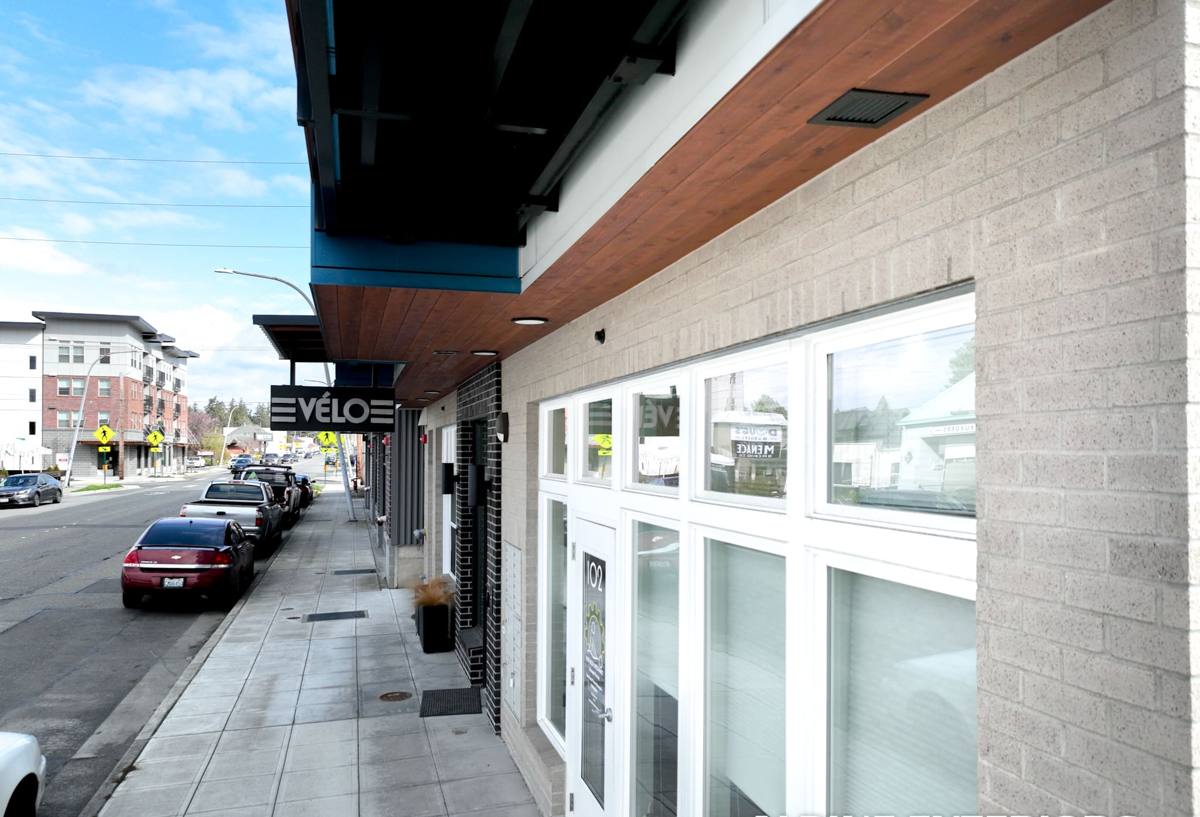
What Makes Barkley's Housing Stock a Little Different
Barkley is one of Bellingham's more planned, mixed-use neighborhoods, with residential streets built up alongside newer commercial development. That means the roofs we see here run a wider age range than in some older Bellingham neighborhoods — everything from homes built during the area's main growth period to newer infill construction. Roof pitches, eave overhangs, and dormer details vary more than you'd expect for a neighborhood this size.
Mature landscaping is common throughout Barkley, which is great for curb appeal and terrible for roof longevity. Overhanging branches keep sections of roof shaded and damp longer after a storm, which is exactly the environment moss and algae need to spread. Any replacement plan for a Barkley home should account for the specific tree cover and shading on that lot, not just a generic template.
Common Roof Styles We See in the Neighborhood
Most Barkley homes use standard gable or hip roofs with moderate pitches, though we also see cross-gable layouts with multiple valleys — which happen to be one of the most common places for a roof to fail early if the valley flashing and underlayment weren't done right the first time.
Signs Your Roof in Barkley Is Telling You It's Time
Roofs rarely fail all at once. They send signals for months or years before a leak actually shows up inside the house. Here's what we tell Barkley homeowners to watch for:
- Granules collecting in gutters or at the base of downspouts, which means the shingle surface is wearing thin
- Shingles that are curling, cupping, or have visibly lifted edges, especially on the roof faces that get the most rain and wind
- Dark streaking or a green-gray film across large sections of the roof, which is early algae and moss growth
- Moss buildup thick enough that you can see it holding shape rather than lying flat against the surface
- Soft spots, sagging, or visible dips when you look down the roofline from the ground
- Daylight visible through the attic roof boards, or damp insulation and musty smell in the attic
- A roof that's approaching or past the manufacturer's expected service life for its material type
Any one of these on its own might just mean a repair. Several at once, or a roof already near the end of its expected lifespan, usually points to replacement being the more honest recommendation.
What a Correct Roof Replacement Actually Involves
A roof replacement done right in this climate is a lot more than swapping old shingles for new ones. Skipping any of the steps below is how a roof ends up needing repairs again in five years instead of lasting the full stretch.
Tear-Off and Deck Inspection
We remove the old roofing down to the decking rather than layering new material over old — layering traps moisture and hides problems. Once the deck is exposed, we check every sheet for soft spots, delamination, or water staining and replace anything that's compromised before a single new layer goes down.
Water and Ice Protection
Self-adhering waterproof membrane goes down at the eaves, valleys, and around any roof penetrations — the places most likely to take on wind-driven rain. This matters more in Bellingham than in drier inland climates, since it's the backup layer that keeps water out even if wind pushes rain up under the shingle edge.
Underlayment, Flashing, and Ventilation
A synthetic underlayment covers the rest of the deck as a second line of defense. New flashing goes in around chimneys, skylights, dormers, and sidewalls rather than reusing old pieces, since flashing is one of the most common leak points on an otherwise sound roof. We also check that intake and exhaust ventilation are balanced — poor attic ventilation traps moisture that feeds mold and shortens the life of the new roof from underneath.
Moss Management Built In
Where it fits the roof design, we install zinc or copper strips near the ridge. Rain washing over these strips releases trace metal ions that inhibit moss and algae growth on the roof below, cutting down on how often the roof needs to be cleaned.
Choosing a Roofing Material for Whatcom County Weather
There's no single "best" material for every home — it depends on budget, roof style, and how much long-term maintenance a homeowner wants to take on. Here's how the common options stack up for our climate specifically:
| Material | Moisture & Moss Behavior | Maintenance | Typical Lifespan |
|---|---|---|---|
| Architectural asphalt shingles | Good performance with proper underlayment; benefits from zinc strips to slow moss | Occasional moss treatment and gutter cleaning | 25–30 years |
| Standing seam metal | Sheds water and moss quickly due to smooth, non-porous surface | Low; mainly fastener and sealant checks | 40–50+ years |
| Cedar shake | Attractive but requires diligent upkeep in wet climates; can hold moisture if not maintained | Regular treatment and inspection needed | 20–30 years with upkeep |
| 3-tab asphalt shingles | Basic protection; less resistant to wind-driven rain and moss than architectural grade | More frequent moss and wear monitoring | 15–20 years |
We don't push cedar shake for most Barkley reroofs — not because it can't look great, but because it demands a maintenance commitment that's tough to keep up with given how much moss pressure this area sees. That's a maintenance-and-moisture trade-off we're upfront about, not a knock on the material itself.
Our Roof Replacement Process, Step by Step
Homeowners generally want to know two things going in: what actually happens, and how much it's going to disrupt their week. Here's our typical sequence for a Barkley home:
- On-site inspection and estimate — we walk the roof and attic, document existing conditions, and put together a written scope and price.
- Material selection — we go over the options above in the context of your roof style, budget, and how much upkeep you want to take on.
- Permitting — we handle the paperwork with the City of Bellingham so you don't have to track it down yourself.
- Scheduling around weather — we watch the forecast closely and plan tear-off days around dry windows whenever the season allows it.
- Tear-off and property protection — tarps go down over landscaping, and debris is contained and hauled off site as we go, not left piled up for days.
- Installation — decking repair, waterproofing, underlayment, flashing, ventilation, and the new roofing material go in following manufacturer specifications.
- Cleanup and magnetic sweep — the yard gets swept for stray nails and debris before we consider the job finished.
- Final walkthrough and warranty paperwork — we review the finished roof with you and hand over documentation for both labor and material warranties.
What Affects the Cost of a Roof Replacement
Every roof is different, so we don't give ballpark numbers over the phone without seeing the roof — but these are the main factors that move the price up or down:
| Factor | Why It Matters |
|---|---|
| Roof size and pitch | More surface area and steeper pitches mean more material and more labor time |
| Number of existing layers | Removing multiple old layers takes longer and adds to disposal costs |
| Decking condition | Rotten or soft sheathing found during tear-off needs replacing before new roofing goes down |
| Material choice | Asphalt, metal, and cedar sit at different price points and installation labor levels |
| Roof complexity | Valleys, dormers, chimneys, and skylights all add flashing work and time |
| Access and site conditions | Steep lots, limited driveway access, or tight tree cover can affect equipment and staging |
We put all of this in writing as part of the estimate so there's no guessing about what you're paying for or why.
Why It Matters to Hire a Crew That Already Works in Barkley
A roofing crew that regularly works in Barkley already knows how the neighborhood's tree cover, roof styles, and shoreline-influenced weather tend to interact — which valleys collect debris, which roof faces take the worst of the driving rain, and how much moss pressure to expect based on a given lot's shade pattern. That local pattern recognition shortens the inspection process and helps us flag problems before they turn into surprises mid-job.
There's also the practical side: familiarity with Bellingham's permitting process means fewer delays, and being close by means we can respond quickly if a storm causes damage between now and your scheduled work. A roof replacement is a big investment in the home, and it holds up better over time when it's handled by people who understand the specific conditions it has to stand up to, year after year, in this part of Whatcom County.
If your roof is showing wear, past its expected lifespan, or you just want an honest read on where it stands, we're happy to take a look. Reach out for a free, no-pressure estimate using the form below.