 Bellingham Roofing
 Window Replacement Built for Barkley's Conditions
Barkley sits close enough to Bellingham Bay and the surrounding wetlands that homes here take a steady beating from moisture, even in years without a major storm. Salt-tinged air off the water, long stretches of driving rain through fall and winter, and a moss season that can run eight months or more all work on window frames, sills, and seals in ways that inland homes never experience. Window replacement in this neighborhood isn't just about swapping out old glass for new — it's about choosing materials and installation methods that hold up to Whatcom County's specific weather pattern, year after year.
We've worked on homes throughout the Barkley area long enough to know which failure points show up first here: rotted sills on west-facing windows that catch the worst of the wind-driven rain, condensation trapped between panes on older double-pane units, and frame corners where sealant has broken down from years of freeze-thaw cycling and damp. A window replacement job that doesn't account for these conditions from the start is one that starts failing again within a few years.
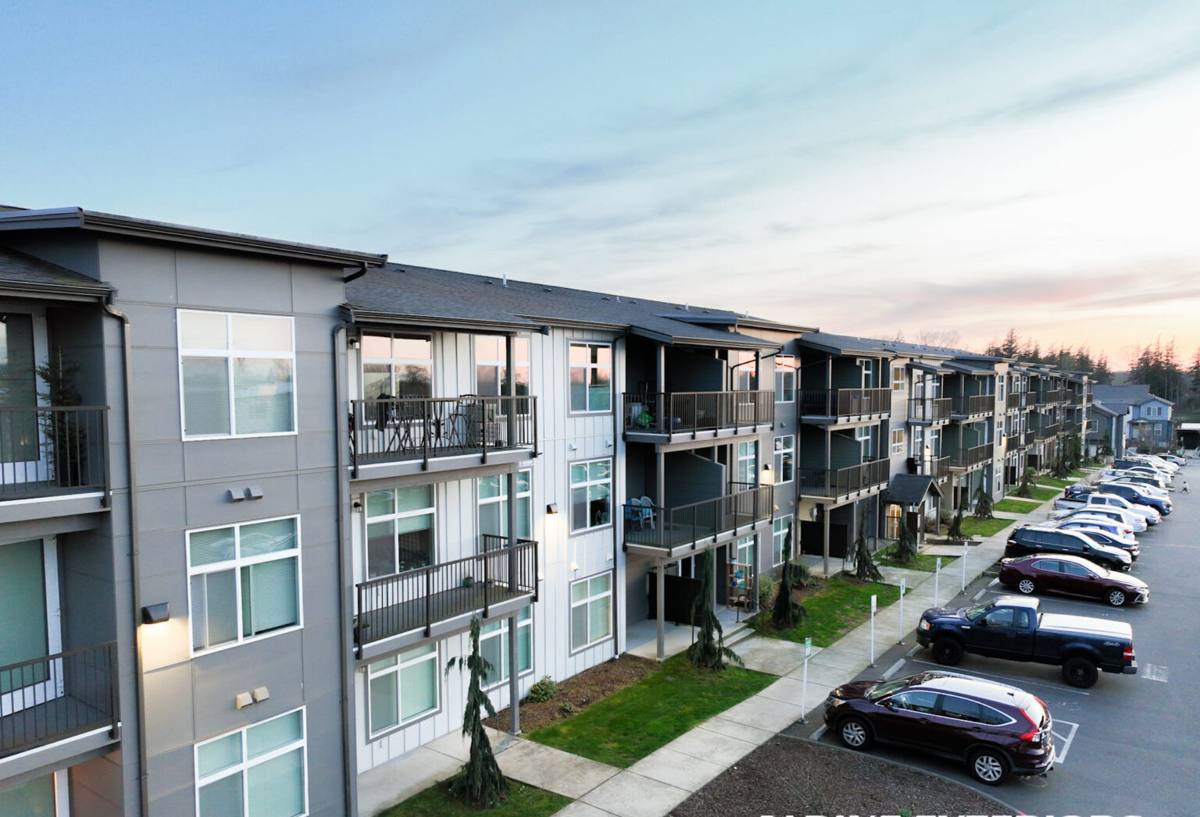
Signs a Barkley Home Needs New Windows
Most homeowners don't replace windows on a schedule — they replace them when something starts going wrong. In this climate, the warning signs are usually moisture-related long before they're about energy bills. Watch for:
- Fogging or a permanent haze between panes on double-glazed windows — a sign the seal has failed and the gas fill is gone
- Soft or discolored wood at the sill or bottom corners of the frame
- Visible gaps between the frame and siding, or daylight around the edges when the window is closed
- Windows that are difficult to open, close, or lock — often a sign the frame has swelled or warped from moisture
- Moss or dark streaking building up on the exterior sill faster than on the rest of the trim
- Noticeable drafts or cold spots near windows during winter storms
- Paint that keeps peeling or bubbling on the interior or exterior frame despite repainting
Any one of these on its own might just need a repair. Several of them together, especially on the same window or the same side of the house, usually mean the unit has reached the end of its useful life.
What a Correct Window Replacement Job Actually Involves
Window replacement gets treated as a simple swap more often than it should be. Done right, it's a sequence of steps where any shortcut shows up later as a leak, a draft, or rot hidden behind new trim.
Full-Frame vs. Insert Replacement
There are two basic approaches, and the right one depends on the condition of the existing frame:
- Insert (pocket) replacement — the new window is fitted into the existing frame, which stays in place. This works when the old frame is still structurally sound and dry. It's faster and less disruptive to siding and trim.
- Full-frame replacement — the old window and its frame are removed down to the rough opening, exposing the framing and sheathing underneath. This is the only correct option when there's any sign of water damage, rot, or a frame that's out of square.
We won't recommend an insert replacement over a frame that's already showing moisture damage just to save time or money — it means sealing a problem behind new material instead of fixing it, and in this climate that problem doesn't stay quiet for long.
Flashing and Sealing
This is the step that determines whether a window replacement lasts fifteen years or three. Proper flashing directs water down and away from the rough opening rather than letting it collect behind the window. That means correctly lapped house wrap, sill pan flashing at the base of the opening, and sealant placed where it actually stops water — not just wherever it's visible from the outside. With the amount of driving rain that hits west and south-facing walls in this area, a window that's set correctly but flashed poorly will still leak.
Fit and Insulation
The gap between the new window and the rough opening needs to be filled correctly — not overpacked with foam, which can bow the frame, and not left with gaps that let air and moisture through. Low-expansion foam or backer rod and sealant, applied properly around the full perimeter, is what keeps a window performing the way it's rated to.
Choosing Windows for Bellingham's Coastal Climate
Not every window sold at a big box store is a good fit for a home exposed to salt air and constant damp. Frame material matters more here than in drier inland climates.
| Frame Material | How It Handles This Climate | Trade-Offs |
|---|---|---|
| Vinyl | Resists moisture and rot well; doesn't corrode from salt air | Can expand/contract with temperature swings; quality varies widely by manufacturer |
| Fiberglass | Very stable in wet, variable conditions; strong resistance to warping | Higher upfront cost than vinyl |
| Wood (clad exterior) | Classic look, good insulation; exterior cladding protects the wood from direct weather | Requires the cladding stay intact — any breach exposes wood to rot |
| Aluminum | Durable and low-maintenance structurally | Poor insulator and can be prone to condensation without a thermal break; we generally steer homeowners away from it for this climate unless it's a good thermal-break product |
For most Barkley homes, vinyl or fiberglass frames with dual-pane, low-E glass strike the right balance of moisture resistance, insulation, and cost. Homes with a wood-frame architectural style that homeowners want to preserve can use clad wood windows, but it's worth understanding that the long-term performance depends entirely on that exterior cladding never being compromised.
Our Window Replacement Process
We keep the process straightforward and predictable, because homeowners deserve to know what's happening to their house and when.
- On-site assessment — we look at each window individually, not just from the curb. That includes checking sills, corners, and interior trim for signs of hidden moisture.
- Honest scope and estimate — we tell you which windows genuinely need replacement, which could be repaired instead, and why. No pressure to replace more than the home needs.
- Material selection — we walk through frame and glass options suited to this climate and your budget, not a one-size-fits-all recommendation.
- Removal and inspection of the opening — once the old window is out, we check the rough opening and sheathing for damage before anything new goes in.
- Correct flashing, setting, and sealing — the step that actually determines how the window performs in the next big storm.
- Interior and exterior finish work — trim, caulking, and paint or stain matched to the rest of the home.
- Final walkthrough — we test operation, check seals, and go over care with the homeowner before we call the job done.
What Window Replacement Typically Costs
Pricing depends heavily on window count, size, frame material, and whether the job is insert or full-frame replacement. Rather than quote a number that doesn't apply to your home, here's how the major cost factors break down:
| Factor | Why It Affects Cost |
|---|---|
| Insert vs. full-frame | Full-frame involves more labor, trim work, and sometimes siding repair around the opening |
| Frame material | Fiberglass and clad wood cost more than standard vinyl |
| Glass package | Low-E coatings, gas fills, and impact-rated glass add cost but improve performance |
| Window size and configuration | Larger units, custom shapes, and multi-panel windows cost more than standard sizes |
| Hidden repairs | Rot or framing damage found once the old window is out adds labor and material |
| Number of windows | Doing a whole home at once is typically more cost-efficient per window than replacing one at a time |
We provide a written estimate before work begins, and we flag any potential hidden repair costs during the initial assessment whenever we can see warning signs ahead of time.
Why It Matters to Hire a Crew That Already Works in Barkley
Window replacement quality depends on details that don't show up in a sales brochure — how a crew handles flashing on a west-facing wall that takes the worst of a winter storm, how they detail a sill to shed water instead of trapping it, and whether they treat moss and mildew exposure as a design factor rather than an afterthought. A crew that's replaced windows across Whatcom County, in homes exposed to the same salt air and rain patterns as Barkley, brings that judgment into every step of the job. It's the difference between a window that's installed correctly on paper and one that's actually built to hold up to how this specific area weathers a house.
Keeping New Windows Performing Long-Term
New windows are a long-term investment, and a little seasonal attention keeps them performing the way they were installed to.
- Rinse sills and tracks periodically to keep moss and algae from taking hold, especially on shaded or north-facing windows
- Check exterior caulking once a year, typically before the fall rains start, and touch up any cracked or missing sealant
- Keep gutters and downspouts clear so runoff isn't sheeting directly down over window openings
- Operate locks and hardware a few times through the year so mechanisms don't seize from disuse
- Watch for condensation between panes — on new windows this usually means a warranty issue worth addressing early, not living with
If you're noticing drafts, fogging, sticking frames, or visible wear on your windows, we're happy to take a look and give you a straightforward read on what's actually needed. Reach out for a free, no-pressure estimate using the form below.