 Bellingham Roofing
 Roof Repair Built for Birchwood's Coastal Climate
Birchwood homes sit close enough to the water and the marine air that comes with it that roofs here age differently than roofs twenty miles inland. Salt-laden air accelerates corrosion on fasteners, flashing, and metal roofing components. Driving rain, especially the sideways kind that comes with winter storms off the Sound, finds every weak seam and undersized flashing detail. And the long, wet, mild winters that Whatcom County is known for give moss and moisture months to work into shingles instead of weeks. A roof repair here isn't just patching a leak — it's addressing why that leak happened in a climate that doesn't let a roof rest.
We work on homes throughout Bellingham, but Birchwood's mix of tree cover, coastal exposure, and older housing stock means we see the same handful of failure patterns over and over. Knowing those patterns in advance is what separates a repair that lasts from one that reopens in eighteen months.
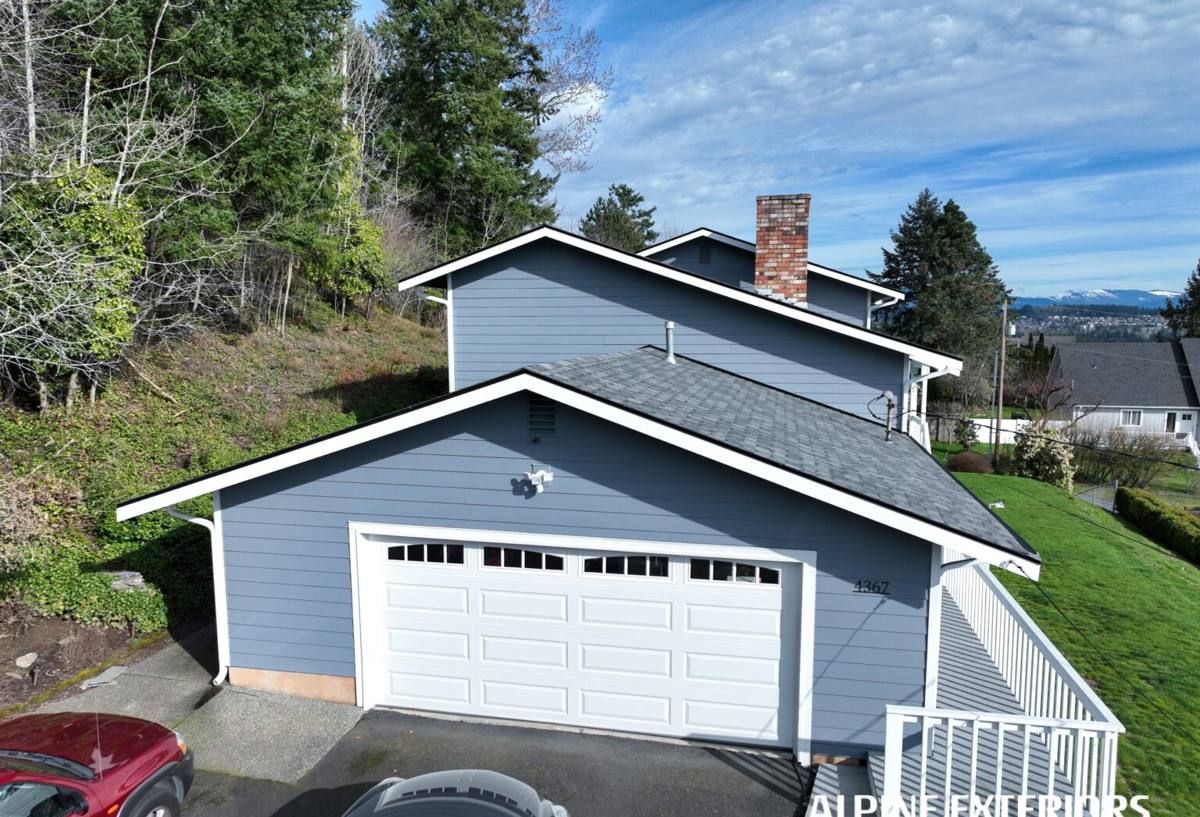
What Birchwood Roofs Are Up Against
Salt Air and Metal Fatigue
Even a few miles from saltwater, airborne salt accelerates oxidation on exposed nail heads, step flashing, valley metal, and any galvanized components that have started to lose their coating. A repair that reuses corroded fasteners or flashing is a repair that fails early — we replace metal components rather than caulk over rust, because caulk is a patch, not a fix.
Driving Rain and Wind-Driven Water
Bellingham's winter storms don't just drop rain straight down. Wind pushes water sideways and uphill under shingle edges, through underlayment laps, and into any gap where flashing was installed short or sealant has cracked. Roofs that would be fine in a calmer climate get tested hard here, especially at valleys, chimneys, skylights, and wall-to-roof transitions.
Moss and Sustained Moisture
Whatcom County's moss season runs long — mild temperatures and consistent moisture are exactly what moss needs to establish. Once moss takes hold on a shingle roof, it holds water against the surface, lifts shingle edges, and works its way toward fasteners and decking. A repair on a mossy roof that doesn't also address the moss is a temporary fix at best.
Common Birchwood Repair Calls
- Moss-related shingle lifting and granule loss, especially on north-facing slopes with shade cover
- Flashing failures around chimneys, skylights, and roof-to-wall intersections
- Valley leaks where debris and moss slow drainage during heavy rain
- Wind-lifted or cracked shingles near ridgelines and eaves after winter storms
- Corroded fasteners and metal edges on roofs 12+ years old
- Interior staining that traces back to a small, long-standing leak rather than a new one
- Gutter and drip-edge issues that push water back under the roof edge instead of off it
What a Correct Repair Actually Involves
Diagnosis Before Anything Else
Most roof leaks don't show up directly above the stain on the ceiling — water travels along decking and framing before it drips. A correct repair starts with tracing the leak to its actual source, not just patching the nearest visible damage. That often means checking the attic from the inside, examining flashing details, and looking at the broader condition of the roof section, not just the one spot that's leaking.
Matching Materials, Not Improvising
A patch that doesn't match the existing shingle profile, color, or flashing metal stands out and can create a new weak point where old and new materials meet. We match materials where possible and explain clearly when an exact match isn't available, so there are no surprises.
Fixing the Cause, Not Just the Symptom
If moss caused the failure, moss removal and treatment are part of the job, not an upsell. If undersized flashing caused the leak, we correct the flashing detail rather than just resealing it. A repair that ignores the underlying cause is a repair that comes back.
Our Repair Process
- Inspection and diagnosis — We assess the roof section in question and the surrounding area, including attic access where relevant, to find the actual source of the problem.
- Honest scope and estimate — We explain what we found, what needs to happen, and give a clear, written estimate before any work starts. No pressure, no scare tactics.
- Repair work — We remove and replace damaged materials, correct flashing details, address moss or moisture issues, and match materials to the existing roof where possible.
- Cleanup and debris removal — Old shingles, moss debris, and fasteners are cleared from the roof and property before we leave.
- Final walkthrough — We review the completed work with the homeowner and point out anything worth watching going forward.
Repair or Replace? Honest Cost Factors
Not every roof problem needs a full replacement, and not every repair is a good long-term investment. These are the factors that actually determine which makes sense for a given roof.
| Factor | Favors Repair | Favors Replacement |
|---|---|---|
| Roof age | Under 12–15 years | Nearing or past expected shingle lifespan |
| Extent of damage | Isolated to one section or detail | Widespread granule loss, multiple leak points |
| Decking condition | Solid, no soft spots | Soft or rotted decking found during inspection |
| Moss history | First occurrence, treatable | Repeated moss damage over several seasons |
| Prior repairs | Roof otherwise sound | History of recurring patches in the same areas |
We'll always tell you honestly which side of this table your roof falls on. A repair that's likely to fail again within a year or two isn't a good use of anyone's money, and we'll say so.
Materials and Local Trade-Offs
Birchwood has a mix of roof types, and each comes with its own repair considerations in this climate.
| Roofing Type | Local Consideration |
|---|---|
| Composition (asphalt) shingle | Most common; moss and granule loss are the primary aging factors under shade cover |
| Metal roofing | Fastener and seam maintenance matters more near salt air exposure |
| Cedar shake | Requires more attentive moisture management and moss control given sustained damp conditions |
| Flat or low-slope sections | Membrane seams and drainage detail are critical where driving rain and standing water are both factors |
We don't push a single product as the answer for every roof. The right repair material depends on what's already on the house, what the manufacturer's install specs call for, and what will actually hold up given the roof's exposure and slope.
Why a Crew That Already Works Birchwood Matters
A roof repair is only as good as the diagnosis behind it, and diagnosis improves with local pattern recognition. A crew that's worked roofs throughout Bellingham and Whatcom County knows which shingle lines age fastest under coastal moss pressure, which flashing details tend to be undersized on older Birchwood homes, and how driving rain from winter storms tends to expose the same weak points year after year. That's not something a crew unfamiliar with the area picks up on the first visit — it comes from repeatedly seeing how local weather actually behaves against local roofs.
It also means we're not guessing at code requirements, permit expectations, or what a reasonable timeline looks like around Whatcom County's wetter months. We plan repair work with the local weather window in mind, not against it.
Homeowner Maintenance Checklist
Between professional inspections, a few simple habits go a long way toward catching problems early in a climate like this one.
- Keep gutters and downspouts clear, especially after fall leaf drop
- Look for moss growth on shaded or north-facing roof sections each spring
- Check attic spaces periodically for staining, damp insulation, or daylight through the decking
- Trim back overhanging branches that keep roof sections shaded and damp
- Have flashing and valleys inspected after major wind or storm events
- Address small leaks early — a stain the size of a coin is far cheaper to fix than the damage it becomes
When to Call for a Repair
Some signs are obvious — an active drip, a stain spreading across the ceiling, daylight visible through the roof deck in the attic. Others are quieter: a slightly sagging shingle line, granules collecting in the gutter, a musty smell in an upstairs closet. In a climate that gives moisture months to work rather than days, it's worth having anything unusual looked at before the next storm system rolls through rather than after.
If you're noticing any of these signs on a Birchwood home, or it's simply been a few years since your roof was last checked, we're glad to take a look. We offer free, no-pressure estimates — we'll tell you plainly what we find, what it will take to fix it, and let you decide from there. Use the form below to get started.