 Bellingham Roofing
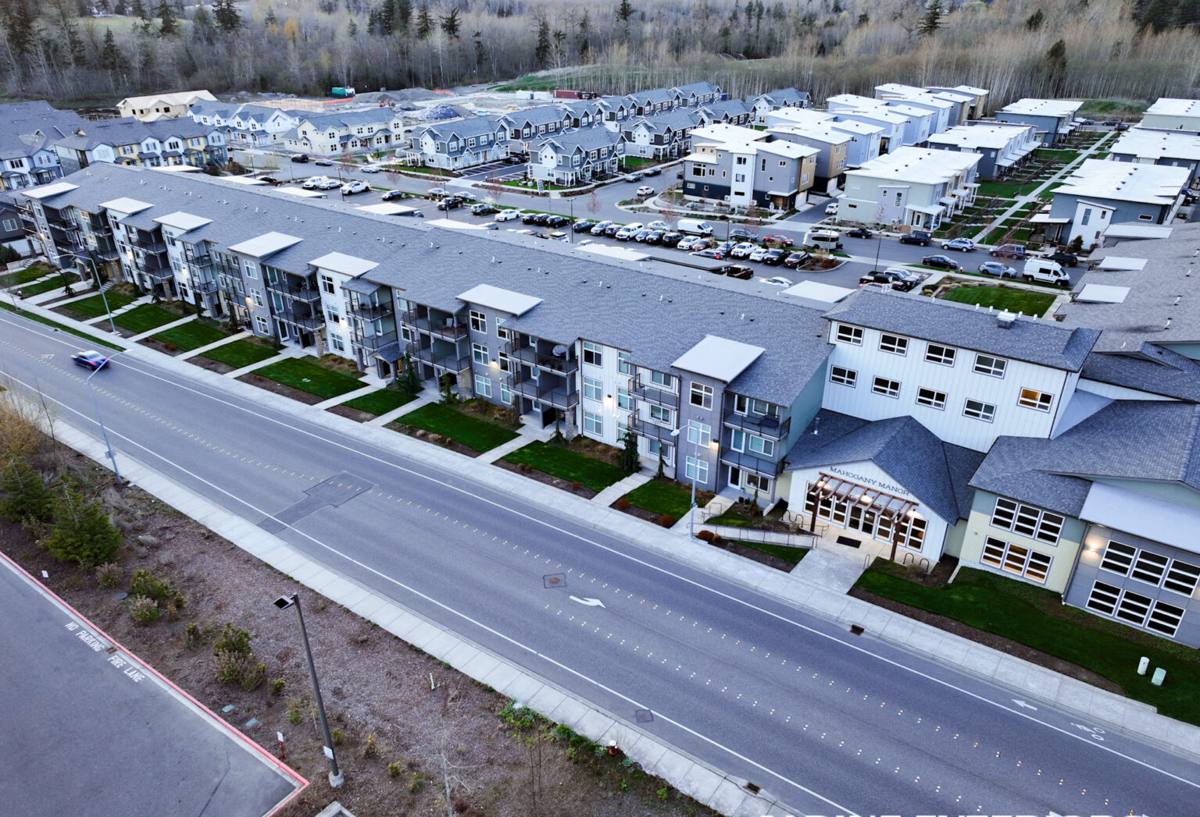
 Birchwood sits close enough to the water and the weather patterns that roll in off Bellingham Bay that its homes take a different kind of beating than houses further inland in Whatcom County. Salt-laden air, sideways rain during fall and winter storms, and a moss season that can stretch from October through May all work on exterior siding year-round. When that siding is failing, patched wrong, or was never suited to this climate in the first place, the damage doesn't stay cosmetic for long — it becomes a path for moisture into the wall assembly. This page covers what siding repair actually means for a Birchwood home, what a correct repair involves, and how we approach the job when we're called out to this neighborhood.
Why Birchwood Siding Takes More Abuse Than the Spec Sheet Assumes
Most siding products are rated for generic "Pacific Northwest" conditions, but Birchwood's actual exposure is more specific than that. Homes closer to the water deal with airborne salt that accelerates corrosion on fasteners, flashing, and any exposed metal trim. Combine that with wind-driven rain that gets pushed horizontally into wall assemblies during winter storms, and you have two forces working against any siding that isn't installed with tight, correct flashing and drainage details.
Then there's moss. Bellingham's damp, mild winters and shaded lots — common throughout Birchwood's tree-lined streets — create ideal conditions for moss and algae growth on siding, especially on north-facing walls and anywhere overhangs are short. Moss isn't just an appearance problem. It holds moisture against the siding surface for extended periods, which matters enormously depending on what the siding is made of.
What This Means for Different Siding Types
Wood siding (cedar or primed spruce) absorbs that trapped moisture directly, leading to swelling, cupping, and eventually rot at the cell level. Vinyl siding doesn't rot, but it wasn't designed to be watertight — it relies on a drainage plane behind it, and if that plane has failed or the vinyl has warped from UV exposure, moisture gets behind it and stays there, hidden. Engineered wood products like LP SmartSide fall somewhere in between: better moisture resistance than raw wood thanks to resin treatment, but still wood-based at the core, meaning any breach in the factory coating is a vulnerability. Fiber cement, when it's the real thing and installed correctly, doesn't absorb moisture into its structure the way wood-based products do, and it doesn't rely on UV-sensitive plastic to hold its shape. That's a meaningful difference in a neighborhood where moss sits on siding for half the year.
Signs a Birchwood Home Needs Siding Repair, Not Just Cleaning
A pressure wash or moss treatment handles surface growth, but it doesn't fix underlying siding problems. Here's how to tell the difference:
- Soft or spongy spots when you press on the siding — usually wood rot underneath, often starting at butt joints or bottom edges
- Persistent moss regrowth in the same spot within weeks of cleaning — suggests a moisture source behind the siding, not just surface algae
- Visible gaps at seams or corners where caulking has failed or boards have shrunk and separated
- Staining or discoloration streaks running down from a specific point — often traces back to a flashing failure above
- Bubbling or peeling paint on painted wood siding, a classic sign of moisture trying to escape from inside the board
- Warping or bowing panels, especially on engineered wood products where the substrate has absorbed water
- Cracked or missing caulk around windows, doors, and penetrations — the first failure point that lets water in
If you're seeing any of these, especially combined with moss that keeps coming back, it's worth having someone look at what's happening behind the surface, not just what's growing on top of it.
What a Correct Siding Repair Actually Involves
A siding repair that only replaces the visibly damaged board is a temporary fix if the cause of the damage isn't addressed. On a Birchwood home, that usually means checking three things beyond the board itself.
1. The Water-Resistive Barrier and Flashing
Siding is the visible layer, but the actual waterproofing happens behind it — the house wrap or building paper, and the flashing at every horizontal seam, window, door, and penetration. If water got behind the siding badly enough to rot a board, there's a good chance the barrier or flashing at that spot has a gap. Replacing the board without correcting the flashing just sets up the same failure again in a few years.
2. The Extent of Hidden Damage
Rot and moisture damage rarely stop exactly where they're visible from outside. A proper repair means opening up enough of the area to see how far the damage extends — into the sheathing, around window openings, or along a run of boards — before deciding what actually needs to come off and be replaced.
3. Matching Material and Finish
Patching a section of siding with a different product, thickness, or finish than the original creates a visible seam and, worse, can create a moisture trap where two dissimilar materials meet. When we repair a section, we match the profile and, where the home is already Hardie siding, the exact ColorPlus finish so the repair blends in rather than standing out as an obvious patch.
| Repair Scope | What's Included | Typical Trigger |
|---|---|---|
| Spot repair | Replace a small number of damaged boards, re-flash the local area, re-caulk seams | Isolated impact damage, a single failed flashing point |
| Section repair | Remove and replace a full wall section or elevation, inspect and correct sheathing/barrier underneath | Rot spreading along a wall, chronic moss/moisture in one zone |
| Trim and flashing repair | Replace corner boards, window/door trim, drip caps, kick-out flashing | Staining, gaps, or caulk failure concentrated at openings |
| Full re-side | Remove all existing siding, correct the barrier system, install new siding across the home | Widespread failure, aging original siding, or repair costs approaching replacement |
Why We Only Repair and Replace With James Hardie Fiber Cement
We've made a deliberate call not to install vinyl, LP SmartSide, Cemplank, Allura, or primed spruce and cedar siding — not because those products have no legitimate use, but because in a climate like Whatcom County's, with the salt exposure and moss pressure a neighborhood like Birchwood deals with, we've seen where each of them tends to struggle over the long run. Vinyl can warp and doesn't offer a true fire-rated barrier. LP SmartSide and other engineered wood products perform reasonably well but remain wood-based, meaning a coating breach or an ongoing moisture source can still lead to substrate damage over time. Cedar and primed spruce require the most diligent, ongoing maintenance of any option, and in a wet, mossy climate that maintenance schedule is unforgiving.
James Hardie fiber cement is what we standardized on because it's engineered specifically for climates like this one. It's non-combustible, it doesn't absorb moisture into a wood substrate, and Hardie's HZ5 product line is formulated for regions with exactly this kind of freeze-thaw and moisture exposure. The factory-applied ColorPlus finish is baked on under controlled conditions, giving it better UV and moisture resistance than field-applied paint, and it carries a strong transferable warranty. When we repair a Hardie-sided home, we're matching into a system we already trust. When we replace failing siding of another type, Hardie is what goes back on.
How Our Repair Process Works
- On-site inspection. We look at the visible damage, probe surrounding areas for soft spots, and check flashing at nearby windows, corners, and seams.
- Diagnosis, not guesswork. We identify the actual moisture path — a failed flashing detail, a caulk gap, chronic moss buildup, a drainage issue — before we talk about what to replace.
- Scope and estimate. We explain what we found, what it will take to fix it correctly, and give you options if there's a range of scope (spot repair vs. a broader section).
- Removal and inspection behind the siding. Once boards come off, we check the water-resistive barrier and sheathing underneath before closing anything back up.
- Correct the underlying issue. Repair or replace flashing, patch or replace the barrier, address the sheathing if needed.
- Install matching siding. New boards are fitted, fastened, and finished to match the surrounding material as closely as possible.
- Final seal and cleanup. Caulking, touch-up, and a walkthrough so you know exactly what was done and why.
Why It Matters That We Already Work in Birchwood
A crew that already works this neighborhood knows what to expect before the ladder goes up. We're familiar with how Bellingham's building department handles siding and flashing work, what moss and moisture patterns look like on homes with this kind of tree cover and exposure, and how the combination of salt air and driving rain tends to concentrate damage at specific spots — corners, bottom courses, and anywhere flashing was cut short. That local pattern recognition shortens the diagnosis step and means less guesswork about what's actually happening behind your siding.
Simple Maintenance That Extends the Life of a Repair
Once a repair is done right, a few habits keep it that way longer, especially given Birchwood's moss season:
- Rinse siding annually, ideally before the wet season sets in, to reduce moss and algae buildup before it takes hold
- Keep gutters clear so overflow doesn't run down and pool behind siding at corners or seams
- Trim back vegetation and tree branches that keep walls shaded and damp longer than necessary
- Re-caulk around windows and trim every few years, since caulk is the first line of defense and the first to fail
- Walk the exterior once a year and press-test any spot that looks discolored or different from the surrounding wall
Getting an Honest Read on Your Siding
Not every damaged section needs a full re-side, and not every stained board is a crisis — but the only way to know is to actually look at what's happening behind the surface. If you're seeing moss that won't quit, soft spots, gaps, or staining on a Birchwood home, we're happy to come take a look, explain what we find in plain terms, and give you a straightforward, no-pressure estimate for what it would take to fix it right. Use the form below to get started.