 Bellingham Roofing
 Why Puget-Area Windows Take a Different Kind of Beating
Homes in the Puget area, close to the water on Bellingham's edge, deal with a combination that inland Whatcom County houses simply don't face as often: salt-carrying air off the Sound, wind-driven rain that hits window walls sideways instead of straight down, and a long damp season that keeps moss and mildew active on anything shaded or north-facing for much of the year. None of that is dramatic on its own, but stacked together year after year, it's hard on window frames, hardware, and seals in ways that show up as swelling, corrosion, fogging, and drafts well before a window's expected lifespan is up.
A custom window job in this part of town isn't just about picking a style out of a catalog. It's about matching the frame material, the glazing package, and the installation detail to what the local climate is actually going to throw at the house — this year and for the next twenty.
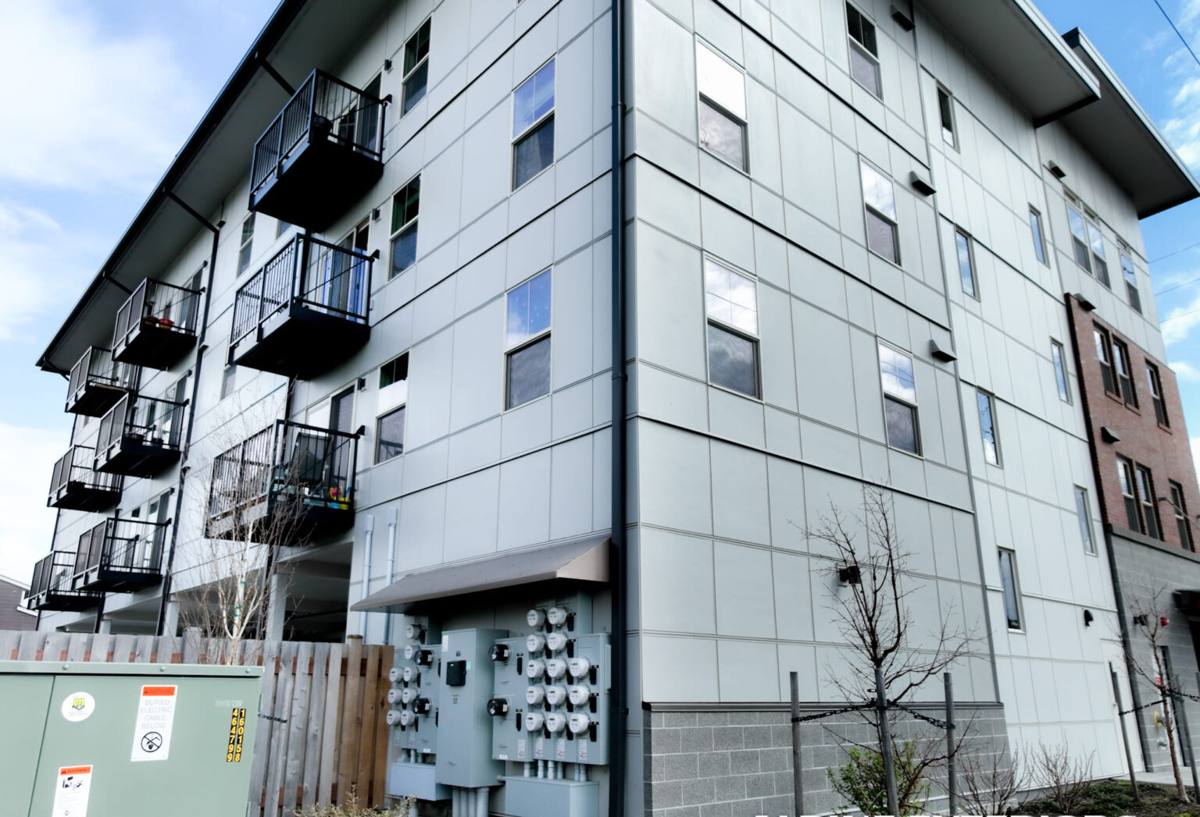
What "Custom" Actually Means for a Puget Home
Custom windows aren't necessarily fancier windows — they're windows built to fit what's actually there. That matters a lot on older Bellingham homes, where openings have often shifted slightly over decades of settling, or where a remodel changed wall thickness or trim detail. Custom sizing and custom jamb depth mean the window seats correctly against the framing instead of getting packed with shims and extra caulk to make a stock size work.
For Puget-area homes specifically, "custom" usually shows up in a few practical ways:
- Frame and jamb depth matched to the actual wall assembly, not a generic stock depth
- Hardware and finish upgrades that resist salt-air corrosion better than standard-grade parts
- Glazing packages chosen for the home's sun exposure and wind exposure, not a one-size default
- Sill and flashing details built for wind-driven rain, not just vertical rainfall
- Color and trim profiles that match the existing exterior instead of forcing a mismatched replacement look
Frame Materials: What Holds Up Near Salt Air
Every frame material has trade-offs, and the honest answer is that the "best" one depends on the specific home, its exposure, and the owner's maintenance appetite. Here's how the common options compare for a Puget-area setting:
| Frame Material | Salt Air / Moisture Behavior | Maintenance | Typical Fit |
|---|---|---|---|
| Vinyl | Won't corrode or rot; performs consistently in salt air | Low — occasional cleaning | Most homes, especially where budget and low upkeep matter |
| Fiberglass | Very stable in moisture and temperature swings; strong seal retention over time | Low | Larger openings, higher-exposure walls facing the Sound |
| Aluminum-clad wood | Good exterior protection but interior wood core still needs a sound seal to avoid moisture wicking | Moderate | Homes prioritizing a traditional wood-interior look |
| Bare wood | Attractive but the most vulnerable to the region's rain and humidity if seals or paint fail | High | Historic-style homes where owners commit to upkeep |
We'll walk through these trade-offs honestly during an estimate rather than pushing whatever's easiest to sell — the right call depends on how exposed the specific wall is and how much upkeep the owner actually wants to sign up for.
Hardware Matters As Much As the Frame
Latches, hinges, and cranks are often the first thing to fail on a salt-air home, even when the frame itself is holding up fine. We spec hardware finishes and materials chosen to resist that kind of corrosion rather than defaulting to whatever's standard on a given line, since standard hardware is usually rated for general climates, not marine-adjacent ones.
Glazing and Sealing: The Part That Actually Stops Driving Rain
Double-pane windows with a low-E coating are the standard baseline for this region, and for most Puget-area homes that's the right call for both comfort and condensation control. Triple-pane is worth discussing on walls that take the brunt of wind off the water, or in rooms where owners have noticed persistent cold spots or condensation on the glass.
But glass is only half the equation. Wind-driven rain doesn't fail windows through the glass — it finds its way in through gaps in flashing, sill pans, and the seal between the window unit and the wall. A correct installation here means:
- Proper sill pan flashing so any water that does get behind the window drains back out, not into the wall cavity
- Head flashing integrated with the house wrap or building paper, not just caulked over the top
- Continuous sealant at the nailing flange, sized and rated for the temperature swings and UV exposure this climate sees
- Interior air sealing separate from the exterior weatherproofing — these are two different jobs, and skipping the interior side is a common shortcut that leads to drafts even when the outside looks fine
This is the part of the job that doesn't show once the trim is back on, which is exactly why it's the part most likely to get rushed on a low-bid install.
Our Process for a Puget-Area Window Job
The process itself isn't unusual, but the details we check at each step are shaped by what causes problems on homes in this area specifically:
- Assessment — we look at current window condition, existing flashing and seal state, and how exposed each wall is to wind and rain direction, not just which windows "look old"
- Measurement and material selection — exact opening measurements plus a frame and glazing recommendation matched to that wall's exposure
- Removal and prep — checking the framing underneath for any moisture damage before a new window ever goes in, since covering up existing rot just delays a bigger repair
- Installation — sill pan, flashing integration, and sealing done in the correct order, not compressed to save a step
- Interior and exterior finish — trim, caulking, and a final check that operation is smooth and weatherstripping is seated correctly
- Walkthrough — we show the homeowner how the new windows operate and what maintenance, if any, they'll actually need
Signs Your Current Windows Are Losing the Fight
Homeowners in this area often live with small issues for years before realizing they've become a pattern. Worth checking for:
- Fogging or moisture between panes — the seal has failed and the insulating gas is gone
- Frames that feel soft, spongy, or discolored, especially at the bottom corners
- Visible moss or dark staining building up on the sill or exterior trim
- Difficulty opening, closing, or latching windows that used to operate smoothly
- A noticeable draft near the frame edge on windy days
- Hardware that's pitted, stiff, or corroded compared to how it looked new
- Paint or finish that's bubbling or peeling specifically around the window opening, not the wall generally
Any one of these can be minor. Several showing up together on the same window, especially on a wall that faces the water or prevailing wind, usually means it's worth a real look rather than another round of caulk.
Living With Windows in a Marine Climate
Even a well-installed, well-built window benefits from some basic upkeep in this environment. Rinsing salt residue off exterior glass and frames a few times a year keeps it from slowly etching finishes or accelerating hardware wear. Keeping sills and tracks clear of moss and organic debris — rather than letting it sit damp against the frame — goes a long way toward protecting seals and finish over the long moss season. None of this is heavy maintenance, but it's the kind of thing that's easy to skip and then notice only after it's caused a problem.
Why a Crew That Already Works Puget Makes a Difference
A window installer who mainly works dry, inland conditions can still do competent work, but they're often learning the local exposure issues on the homeowner's house. A crew that regularly works the Puget area already knows which walls tend to take the worst of the wind and rain, what kind of flashing detail actually holds up here versus on paper, and how Whatcom County's permitting and inspection process works for window replacement — so there are fewer surprises and fewer callbacks. That familiarity doesn't show up as a line item, but it shows up in how the job holds up five and ten years out.
If your Puget-area home has windows that are fogging, drafting, sticking, or just past their prime, we're happy to come take an honest look. The estimate is free, there's no pressure, and we'll tell you straight whether it's a repair situation or a replacement one — just fill out the form below to get started.