 Bellingham Roofing
 Windows Built for Sehome's Weather, Not Just Any Weather
Sehome sits close enough to the water and open enough to Whatcom County's weather patterns that windows here take a different kind of beating than windows in a dry inland climate. Salt-tinged air moves through the neighborhood, driving rain hits west- and south-facing walls hard for months at a stretch, and the long, damp moss season keeps humidity levels elevated around window frames and sills for much of the year. None of that is dramatic on any given day, but it adds up. A window that's a poor fit for this climate doesn't usually fail all at once — it fails slowly, through fogged glass, soft frames, drafts you can feel but can't quite locate, and heating bills that creep upward year over year.
We're a Bellingham-based crew that works Sehome regularly, along with the surrounding neighborhoods. That matters for windows more than people expect, because window performance isn't just about the product — it's about how it's installed, flashed, and sealed against a specific set of local conditions.
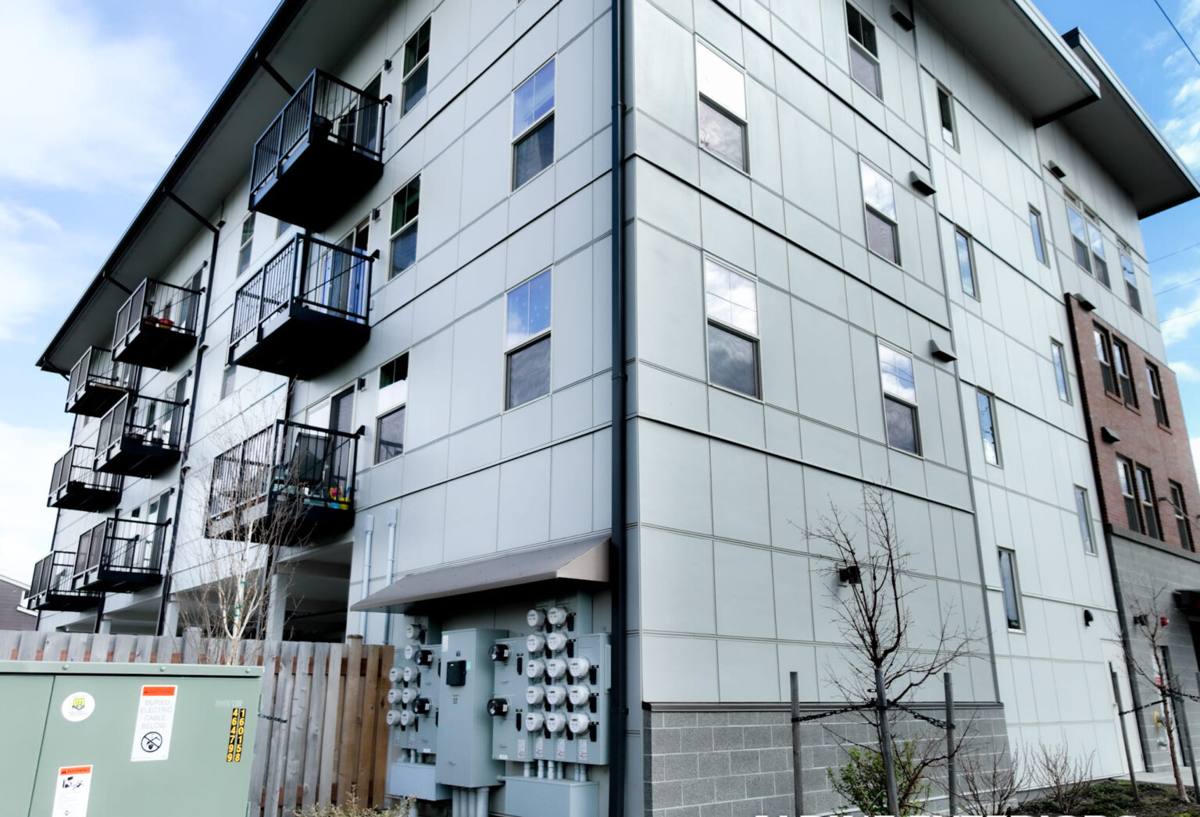
What "Energy-Efficient" Actually Means Here
Energy-efficient windows get marketed with a lot of jargon. For a Bellingham home, a few specific things matter more than the rest:
Glass Package
Double-pane, low-E glass with an argon or krypton gas fill is the standard baseline for this climate — it's not overkill, and it's not exotic. It cuts heat loss in winter and reduces the amount of a home's heating load that leaks straight out through the glass. Triple-pane glass is worth discussing for north-facing rooms, homes with high heating bills already, or anyone planning to stay in the house long-term and wanting the upgrade to pay for itself over time.
Frame Material and Seals
The glass gets most of the attention, but the frame and the seal around it do most of the work of keeping Whatcom County's rain and moisture out. Vinyl, fiberglass, and clad-wood frames each handle moisture differently, and the right choice depends on the home's exposure, the trim detail around the opening, and your maintenance preferences — more on that below.
Installation Quality
A well-rated window installed with a poor flashing job will underperform a mid-grade window installed correctly. This is the piece that's easy to overlook when comparing quotes, and it's where most of the real-world performance difference actually comes from in a wet climate like this one.
Why Salt Air, Rain, and Moss Season Change the Job
These three conditions show up in Sehome year-round in overlapping ways, and each one pushes the work in a specific direction:
- Salt air: accelerates corrosion on hardware — hinges, locks, and cranks — and can degrade certain finishes faster than in a purely inland install. We select hardware and finishes with that exposure in mind rather than defaulting to whatever's cheapest.
- Driving rain: Bellingham's rain rarely falls straight down. Wind-driven rain finds any gap in flashing or sealant, especially on exposed elevations. Proper head flashing and a correctly lapped weather-resistive barrier around the opening matter more here than they would in a calmer climate.
- Moss season: the same damp, low-light stretch that grows moss on a roof also keeps humidity elevated around window openings, especially on shaded north and west walls. That moisture pressure is exactly what breaks down poorly sealed frames and traps condensation between panes over time.
None of this means Sehome homes need anything unusual — it means the installation details that get skipped in easier climates can't be skipped here.
Signs Your Current Windows Are Working Against You
Most homeowners don't replace windows because one broke — they replace them because a pattern shows up over a season or two. Worth checking for:
- Fogging or a cloudy haze between the panes (a failed seal — the gas fill is gone and it's not repairable)
- Visible condensation on the inside of the glass during cold snaps
- A draft you can feel with your hand near the frame on a windy day
- Soft, discolored, or swelling wood at the sill or frame corners
- Difficulty opening, closing, or locking a window that used to work fine
- A noticeable difference in room temperature near the window versus the rest of the room
Any one of these is worth a look. Several together usually means it's time to talk about replacement rather than repair.
Frame Material Comparison for This Climate
| Frame Type | Moisture Behavior | Maintenance | Typical Fit |
|---|---|---|---|
| Vinyl | Won't rot; handles moisture well | Low — occasional cleaning | Most homes; strong value for the climate |
| Fiberglass | Very stable; resists expansion/contraction | Low | Homes wanting a stronger frame with slimmer sightlines |
| Clad-Wood | Good if the cladding and seals stay intact | Moderate — seams need periodic inspection | Homes prioritizing an interior wood look |
| Bare Wood | Vulnerable to sustained damp exposure without diligent upkeep | High | Historic character homes, with eyes-open maintenance planning |
We'll walk through these trade-offs against your specific home rather than push one material across the board — the right answer depends on sun exposure, wall orientation, and how much upkeep you actually want to take on.
What a Correct Installation Involves
The window unit itself is maybe half the job. The other half is everything around it:
- Remove the old unit carefully and inspect the opening — sill, jambs, and header — for any hidden moisture damage before anything new goes in.
- Repair any damaged framing or sheathing found during that inspection. Installing a new window into a compromised opening just hides the problem.
- Install and lap the weather-resistive barrier and flashing correctly — this is the step that determines whether wind-driven rain actually stays out, and it's the step most commonly rushed by less careful crews.
- Set the window level, plumb, and square, with proper shimming so the frame isn't under stress that will eventually crack a seal.
- Seal and insulate the gap around the frame with the right materials — not just a bead of caulk over a gap that should have been properly insulated.
- Finish trim and interior/exterior detailing so water sheds away from the opening rather than toward it.
Skipping or rushing any one of these steps is how a good window ends up with a bad outcome a few years later.
Our Process, Sehome to Finish
1. On-Site Assessment
We look at your current windows, the condition of the openings, sun and wind exposure on each elevation, and what you're actually trying to solve — comfort, drafts, condensation, appearance, or all of the above.
2. Straightforward Recommendation
We'll tell you honestly whether every window needs replacing or just some of them, and which glass and frame options make sense for your home and budget — no upsell for its own sake.
3. Scheduled Installation
We work efficiently to minimize how long openings are exposed, and we plan around the weather rather than fighting it — Whatcom County's rain windows are part of how we sequence the job.
4. Cleanup and Walkthrough
We walk each window with you before we consider the job done — operation, locks, and seals checked, not just glanced at.
What Drives Cost
| Factor | Why It Matters |
|---|---|
| Number of windows | Whole-house replacement typically brings a better per-window rate than a handful at a time |
| Glass package | Double-pane low-E versus triple-pane changes both material cost and long-term energy savings |
| Frame material | Vinyl, fiberglass, and clad-wood carry different price points and maintenance profiles |
| Opening condition | Hidden rot or framing damage found during removal adds repair work before the new unit goes in |
| Window size and type | Large picture windows, bay windows, and custom shapes cost more than standard double-hungs |
Costs for a project like this vary widely based on those factors — anyone quoting a firm number before seeing your home and openings is guessing. We'll give you a real number after an on-site look.
Why a Crew That Already Works Sehome Matters
A contractor who's worked this neighborhood, and Bellingham more broadly, already knows what kind of exposure a given elevation typically sees, what moisture issues tend to show up in homes of a certain age or construction type in this area, and how to sequence work around Whatcom County's weather instead of getting caught by it mid-project. That local familiarity shows up in small decisions — how flashing gets lapped, what hardware finish holds up, how a job gets scheduled — that a crew unfamiliar with this climate might not think twice about.
If your windows are fogging, drafting, sticking, or just costing you more to heat and cool than they should, we're happy to take a look and give you a straightforward assessment — no pressure, no hard sell. Reach out for a free estimate using the form below.