 Bellingham Roofing
 Why Ferndale Roofs Wear Differently Than Roofs Inland
Ferndale sits close enough to the Salish Sea and the Nooksack River lowlands that homes here deal with a specific combination of weather stresses: salt-tinged air moving in off the water, long stretches of driving rain in the fall and winter, and a moss season that can run eight months or longer in shaded, north-facing sections of a roof. None of these factors alone is unusual for Western Washington. Together, on the same roof, year after year, they shorten the useful life of materials that weren't chosen or installed with this specific combination in mind.
A roof installed the same way you'd install one in Spokane or even in drier parts of Whatcom County will underperform in Ferndale. The fastener corrosion resistance, the underlayment strategy, the ventilation balance, and the moss-resistance approach all need to be dialed in for a coastal-influenced, high-moisture microclimate. That's the lens we bring to every new roof we install here.
What Salt Air Actually Does to a Roof
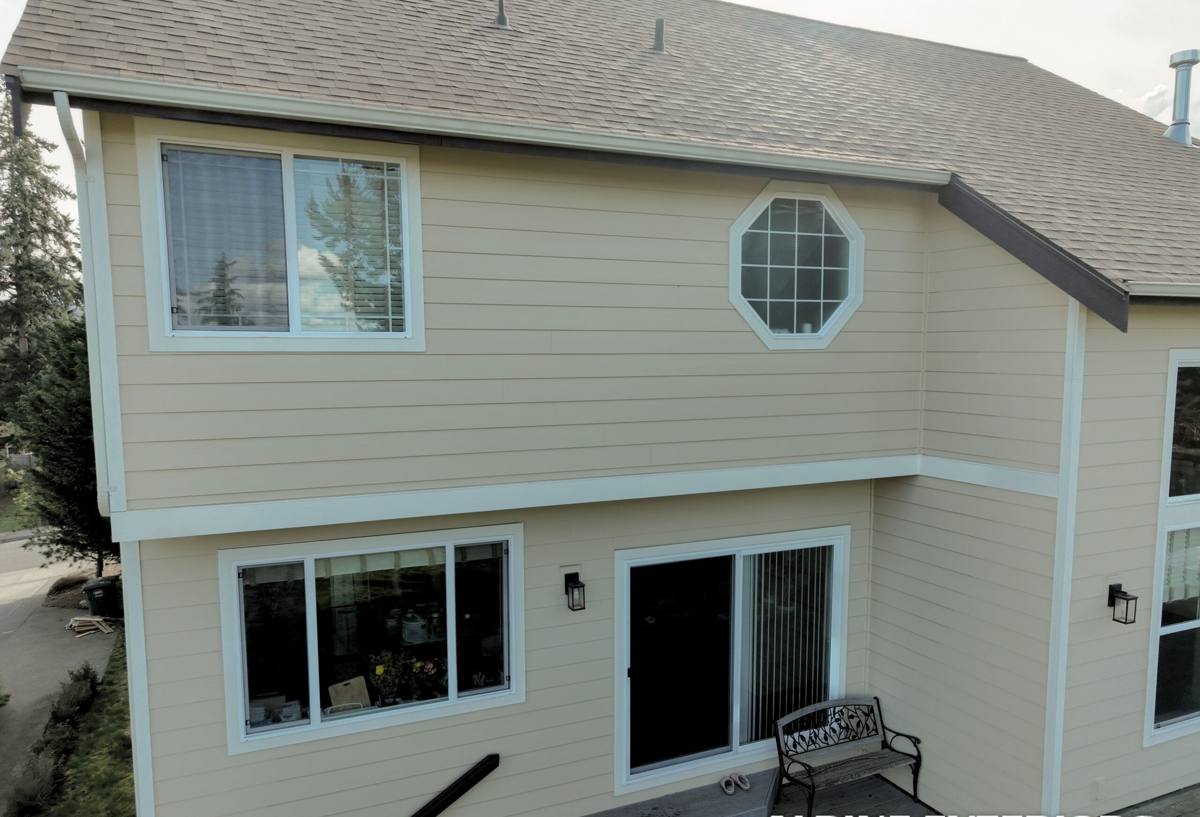
Salt-laden air doesn't need to come from right on the waterfront to cause problems — prevailing winds carry fine salt particulate well inland, and Ferndale's position relative to Bellingham Bay and the broader Puget Sound airflow means most homes in the area get some exposure. The practical effect shows up in the metal components of a roofing system long before it shows up in the shingles or panels themselves.
- Fasteners: standard electro-galvanized nails and screws corrode faster under salt exposure, which can lead to streaking, loosened fasteners, and eventually leaks at the point of penetration.
- Flashing: lower-grade flashing metals pit and corrode over time, compromising the seal at valleys, chimneys, skylights, and wall transitions — the exact spots where most roof leaks originate.
- Gutters and drip edge: unprotected or thin-gauge metal accessories show corrosion years before the roofing material itself is due for replacement.
Our standard for Ferndale installs is to spec corrosion-resistant fasteners and flashing rated for coastal exposure, rather than defaulting to whatever ships standard with a shingle package. It costs a little more up front and saves a service call five or six years down the road.
Driving Rain and the Underlayment Question
Whatcom County's winter rain doesn't always fall straight down. Wind-driven rain off the water pushes moisture sideways and upward under shingle tabs, around vents, and along ridge lines — areas that stay dry in a calm rain but take on water when a storm has any real wind behind it. This is the primary reason underlayment choice matters more here than in drier inland climates.
A correct Ferndale roof system uses a synthetic underlayment as the primary water-resistive barrier across the full roof deck, plus self-adhering waterproof membrane at the vulnerable zones: eaves, valleys, roof-to-wall intersections, around every penetration, and at the ridge. This layered approach means that even if wind-driven rain gets past the shingle surface — which can happen during a real storm regardless of how good the shingle installation is — there's a second, sealed line of defense between the water and your roof deck.
Where We Add Extra Protection
On homes with lower roof pitches, more complex rooflines with multiple valleys, or exposure facing the prevailing weather, we extend the ice-and-water-style membrane coverage beyond the code minimum. It's a judgment call based on the specific roof, not a blanket upsell — we'll walk you through why on your particular home during the estimate.
Moss: The Slow Damage Homeowners Underestimate
Moss gets treated as a cosmetic nuisance, but on a roof it's a moisture-retention problem. Moss holds water against the roofing material long after the rain stops, keeps shaded sections of the roof damp for days at a time, and its root structure works into shingle granules and seams. Over years, that constant dampness accelerates granule loss on asphalt shingles, promotes wood rot on cedar, and can lift or separate shingle edges.
Ferndale's tree cover and the region's overcast, damp winters create ideal moss conditions on north-facing slopes and anywhere a roof sits in shade for a large part of the day. A new roof installation is the best point to build in moss resistance, because retrofitting it later is far less effective than doing it right at install.
- Zinc or copper strips installed near the ridge, which release trace metal ions with every rain and inhibit moss growth across the roof plane below them
- Selecting shingle products with built-in algae- and moss-resistant granules, especially on the shaded sections of the roof
- Making sure the roof deck has adequate airflow underneath, since a warmer, poorly ventilated deck holds more moisture and encourages growth
- Setting realistic expectations for a homeowner moss-maintenance routine — no roof is fully moss-proof, but a well-designed one needs far less intervention
What a Correct New Roof Installation Involves
A new roof is more than laying new shingles or panels over what's there. Done right, it's a full-system replacement where every layer is chosen to work together.
Tear-Off and Deck Inspection
We remove the existing roofing down to the deck. This is the only point where hidden problems — soft or rotted sheathing, past leak damage, inadequate or blocked ventilation paths — are actually visible. Any deck repairs get handled before anything new goes down; installing new roofing over a compromised deck just locks the problem in.
Ventilation Balance
Intake at the eaves and exhaust at the ridge need to work together in the right ratio for the attic space. Get this wrong and you trap heat and moisture in the attic, which condenses on the underside of the deck, encourages rot, and works against everything the underlayment and shingles are doing from the outside. We evaluate and correct ventilation as part of every install, not as an add-on.
Underlayment and Flashing
As covered above — synthetic underlayment plus targeted waterproof membrane at vulnerable areas, corrosion-resistant flashing at every valley, penetration, and wall transition.
Roofing Material Installation
Correct nailing pattern and fastener placement, proper exposure and alignment, and attention to the details manufacturers specify but that get rushed on lower-quality installs — starter strip placement, hip and ridge cap installation, and sealing at every penetration.
Final Inspection and Cleanup
We walk the finished roof, check every penetration and flashing detail, and make sure the site is cleared of debris and fasteners before we consider the job done.
Choosing Materials for This Climate
There's no single "best" roofing material for Ferndale — the right choice depends on your home's roof pitch, architectural style, budget, and how much long-term maintenance you want to take on. What matters is understanding the real trade-offs for a coastal-influenced, high-moisture climate.
| Material | Coastal/Moisture Performance | Moss Resistance | Typical Lifespan Here |
|---|---|---|---|
| Architectural asphalt shingle (algae-resistant) | Strong when paired with proper underlayment and flashing | Good with AR granules; benefits from zinc/copper strips | 25–30 years |
| Standing seam metal | Excellent if fasteners and finish are coastal-rated | Very good — sheds moisture quickly, little surface for moss to grip | 40–50+ years |
| Cedar shake | Requires diligent maintenance; retains moisture more than other options | Needs active moss/moisture management to avoid rot | 20–30 years with upkeep |
| Synthetic composite shingle | Strong, engineered moisture resistance | Good; varies by product line | 30–50 years depending on product |
We don't push one material on every homeowner. We're honest about the maintenance burden that comes with each choice — for example, cedar can look excellent here, but only if a homeowner is realistic about the upkeep a damp, moss-prone climate demands. That's a maintenance conversation, not a knock on the material.
Cost Factors Specific to Ferndale Installations
Every roof is priced based on its own specifics, but a few factors come up consistently on Ferndale jobs and are worth understanding before you get quotes.
| Factor | Why It Affects Cost Here |
|---|---|
| Roof pitch and complexity | More valleys and transitions mean more waterproof membrane and flashing labor to properly weatherproof against driving rain |
| Existing moss/moisture damage | Deck repairs found at tear-off are common on older roofs that have carried moss for years |
| Fastener and flashing grade | Coastal-rated corrosion-resistant materials cost more than standard-grade but reduce long-term failure risk |
| Ventilation corrections | Older homes frequently need intake/exhaust upgrades, which is easiest to address during a full re-roof |
| Access and tree cover | Heavily treed lots — common around Ferndale — can affect staging, cleanup, and moss-prevention detailing |
Our Process, Start to Finish
- Free on-site inspection: we assess your current roof, attic ventilation, and any visible moisture or moss issues, and take accurate measurements.
- Written estimate: a clear breakdown of materials, scope, and pricing — no vague allowances or surprise add-ons later.
- Material selection: we walk through the honest trade-offs for your roof pitch, budget, and maintenance preferences.
- Scheduling: we work around Whatcom County's weather windows to avoid installing underlayment or shingles in active rain whenever possible.
- Tear-off and deck inspection: full removal of the old roof and repair of any deck issues found underneath.
- Installation: underlayment, flashing, ventilation corrections, and roofing material installed to manufacturer and code specifications.
- Final walkthrough: we review the completed roof with you and answer any questions before we call the job done.
Why Local Experience Matters for This Job
A roofing crew that works Ferndale regularly already knows which streets sit in heavier tree shade and need extra moss-prevention detailing, which areas catch the harder wind-driven rain off the water, and how the local building department handles permitting and inspections. That familiarity shows up in fewer surprises during the job and a system that's actually built for the conditions your specific property faces — not a generic install pulled from a manufacturer's minimum spec sheet.
We also stand behind our work with manufacturer-backed material warranties and our own workmanship warranty, so you know exactly what's covered if a question comes up after the job is finished.
Signs Your Ferndale Home May Need a New Roof
- Granules collecting in gutters or at the base of downspouts, indicating advanced shingle wear
- Persistent moss growth that returns quickly after cleaning, especially on north-facing slopes
- Curling, cracked, or missing shingles, particularly after a windy winter storm
- Daylight visible through the roof deck from inside the attic
- Water stains on interior ceilings or in the attic near valleys, chimneys, or vents
- A roof that's 20+ years old and has never had a full tear-off replacement
If you're weighing a new roof for your Ferndale home, we're glad to take a look and give you a straightforward, no-pressure estimate — including an honest read on whether replacement or repair makes more sense for where your roof actually stands today. Use the form below to get started.