 Bellingham Roofing
 Window Replacement Built for Ferndale's Coastal Climate
Ferndale sits close enough to Bellingham Bay and the Strait of Georgia that its homes take on a different kind of weather load than houses further inland in Whatcom County. Salt-laden air moves in off the water, wind-driven rain hits window assemblies at an angle instead of straight down, and a long gray season each year keeps moss and moisture pressure on exterior surfaces for months at a time. Windows are one of the first places that shows up. A window that was installed correctly but wasn't specified for this environment can start failing years before it should — fogging between panes, soft trim, or drafts that no amount of caulk will fix.
This page is about window replacement specifically for Ferndale homes, not a general overview of every window product on the market. We work in this area regularly, and the guidance below reflects what we actually see when we pull old windows out of Ferndale houses and what it takes to put new ones in correctly.
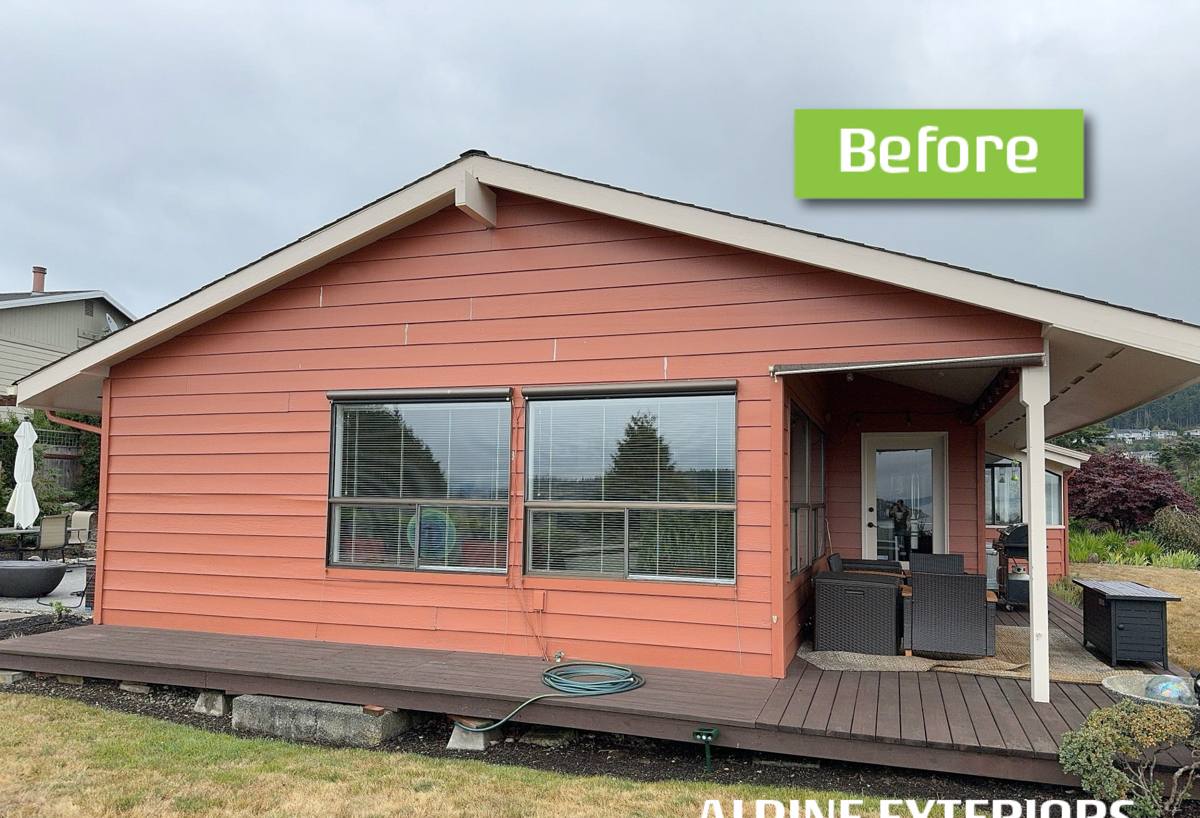
How the Local Climate Actually Wears Down Windows
Three things do most of the damage here, and they compound each other.
Salt Air
Airborne salt is corrosive to unprotected metal hardware, fasteners, and some window frame components. Over years, it can pit finishes and accelerate corrosion on lower-grade hardware, which shows up as stiff or failing locks and sashes that don't glide the way they used to.
Driving Rain
Wind off the water pushes rain sideways into window openings, not just down onto sills. That means water-management details — flashing, sill pans, and the way the window is sealed into the rough opening — matter more here than they would in a drier, calmer climate. A window that would be fine in a sheltered inland location can leak in Ferndale if it wasn't flashed to handle wind-driven water.
Moss and Prolonged Moisture
Whatcom County's wet season runs long, and shaded or north-facing walls stay damp for extended stretches. Moss and mildew take hold on wood trim and sills that don't get a chance to dry out, and trapped moisture behind poorly sealed trim is one of the most common causes of rot we find around older window openings.
Signs a Ferndale Home Needs Window Replacement
- Visible fog or moisture between panes of double- or triple-pane glass — the seal has failed and the gas fill is gone
- Soft, spongy, or discolored wood trim around the window frame
- Windows that are difficult to open, close, or lock, especially after damp weather
- Noticeable draft or cold spot near the window even when it's fully closed
- Visible daylight or gaps around the frame from outside
- Paint or finish that's peeling specifically around the window, even if the rest of the siding looks fine
- Higher heating bills without another clear explanation
Not every one of these means the whole window needs to go — sometimes it's a hardware fix or a re-caulk. Part of an honest estimate is telling you which is which before any work starts.
What a Correct Window Replacement Job Actually Involves
Removal and Opening Inspection
The old window comes out and we look at the rough opening itself — the framing, sill, and any existing flashing — before anything new goes in. This is the point where hidden rot or moisture damage from years of driving rain typically shows up. Skipping this step and just dropping a new window into a compromised opening is how call-backs happen a few years down the line.
Flashing and Water Management
Given how much wind-driven rain this area sees, flashing detail is not optional. That includes a sloped or pan-style sill flashing so any water that does get past the window drains back out instead of sitting against the framing, plus properly lapped flashing tape at the head and sides that ties into the home's existing weather-resistive barrier.
Setting, Shimming, and Sealing
The new window gets shimmed level and square, fastened per the manufacturer's specification, and insulated around the perimeter — not just caulked and called done. Exterior sealant goes in at the right joints, not everywhere, since over-sealing can trap moisture instead of letting it drain.
Interior and Exterior Finish
Trim, casing, and paint or stain get finished to match the surrounding wall, and any disturbed siding is reinstalled correctly around the new frame so there's no gap for water to find its way behind it.
Window Materials — What Holds Up in This Environment
| Material | How It Handles Salt Air & Rain | Maintenance Burden |
|---|---|---|
| Vinyl | Doesn't corrode; handles moisture well; performance depends on frame quality | Low — occasional cleaning, no repainting |
| Fiberglass | Very stable in temperature swings and damp conditions; strong resistance to warping | Low to moderate |
| Aluminum | Can corrode faster near salt air unless properly coated; conducts cold, which matters for condensation | Moderate — coating and hardware need attention over time |
| Wood / Wood-Clad | Attractive but exposed wood is vulnerable to the area's prolonged damp season without diligent upkeep | Higher — regular finish maintenance needed |
We don't push one material as the only right answer — the right choice depends on your home's exposure, existing trim style, and budget. What we do is explain the trade-offs honestly, including where a lower-maintenance option might save you headaches given how much rain and salt air this location gets, rather than defaulting to whatever is easiest to install.
Glass and Performance Options Worth Understanding
Beyond the frame material, the glass package matters for comfort and condensation control in a climate this wet and mild. Double-pane glass with a low-E coating is the standard baseline for this region. Triple-pane adds another layer of insulation and can help with sound and comfort near busier roads, but it adds weight and cost, and isn't always necessary on a typical Ferndale home depending on orientation and exposure. Gas fills (typically argon) between panes improve insulation performance as long as the seal holds — which is exactly the seal that fails first and causes the foggy-glass symptom mentioned earlier.
Our Process, Start to Finish
- Walkthrough and assessment — we look at each window from inside and out, check for rot, drafts, and hardware condition, and identify which windows genuinely need replacement.
- Written estimate — clear pricing with the material and glass options laid out, no pressure to upgrade beyond what your home actually needs.
- Scheduling around the weather — we plan install timing to minimize how long an opening is exposed, which matters more here than in a drier climate.
- Removal, inspection, and any needed framing repair — addressed before the new window goes in, not glossed over.
- Installation with proper flashing and sealing — done to the standard described above, not a quick drop-in.
- Interior and exterior finish work — trim, paint, and siding tie-in completed to match.
- Final walkthrough — we check operation, seals, and finish with you before calling the job done.
Cost Factors for Ferndale Window Replacement
Every home is different, and we won't quote a number without seeing the actual windows and openings. What we can tell you is what tends to move the price:
| Factor | Why It Affects Cost |
|---|---|
| Number and size of windows | More openings and larger units mean more material and labor |
| Frame material chosen | Vinyl, fiberglass, aluminum, and wood-clad carry different material costs |
| Condition of the rough opening | Hidden rot or framing damage found during removal adds repair time |
| Glass package | Double-pane vs. triple-pane, and any added coatings, change unit cost |
| Access and window height | Second-story or hard-to-reach windows take more time and equipment |
| Trim and siding tie-in | Matching existing exterior trim or siding adds finish labor |
Why a Crew That Already Works Ferndale Matters
A window replacement crew that's used to working around Bellingham and Whatcom County understands the practical realities of this specific climate — how far to push flashing details for wind-driven rain, why certain hardware choices hold up better against salt air over time, and how long a wet season here really lasts when it comes to scheduling exterior work. That's not something you can fully substitute with a generic install checklist written for a different climate. It also means we're a known, reachable crew if a question comes up after the job is done — not a name from out of the area with no ongoing presence here.
Caring for New Windows in a Wet, Salty Climate
- Rinse exterior frames and glass periodically to clear salt residue, especially on wind-exposed sides of the house
- Check exterior caulking and sealant lines once a year for cracking or gaps
- Keep gutters and downspouts clear so runoff isn't dumping extra water near window openings
- Trim back vegetation that keeps trim or siding near windows damp and shaded
- Operate locks and hardware periodically through the wet season so mechanisms don't seize up
- Watch for any soft spots in exterior trim early — small rot repairs are far cheaper than large ones
If you're noticing drafts, fog between panes, or trim that's starting to look rough around your windows, we're happy to take a look and give you a straight answer on what's actually needed. Reach out for a free, no-pressure estimate using the form below.