 Bellingham Roofing
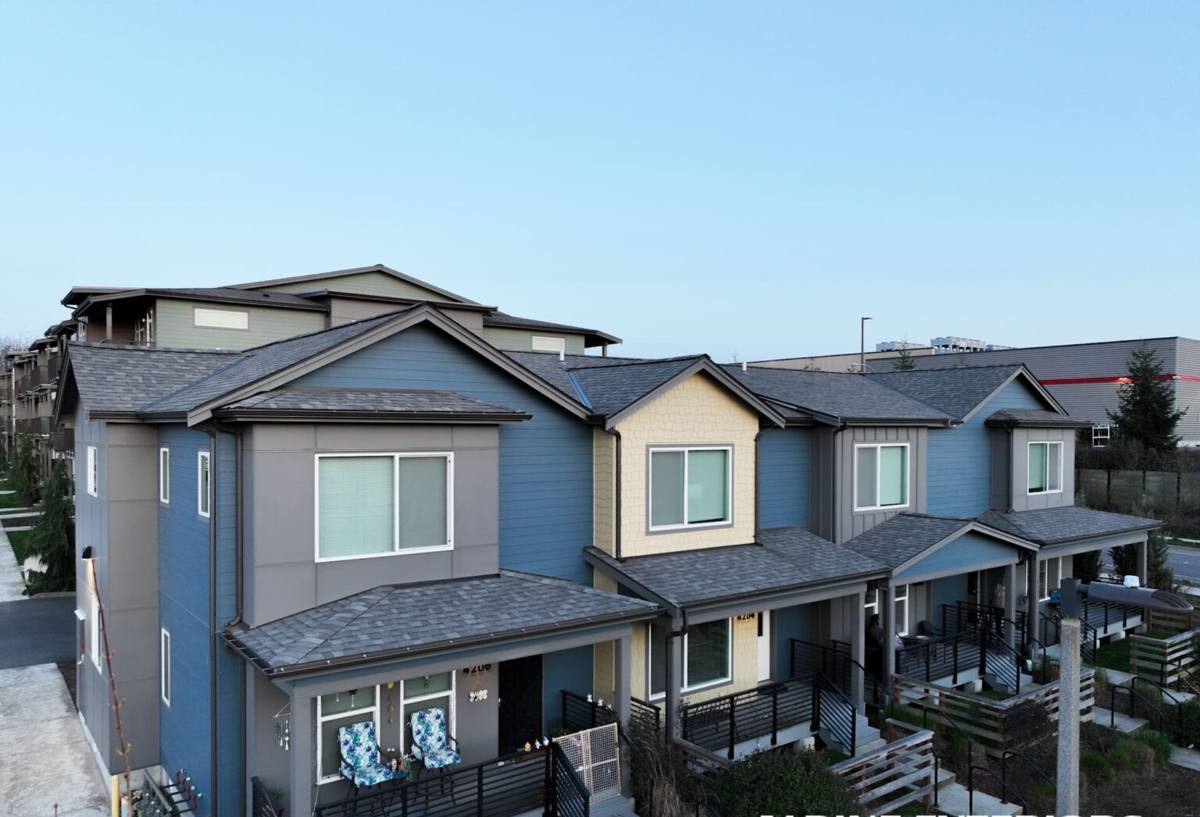
 Board & Batten Siding in Lynden: A Style Built for the Landscape
Lynden's mix of farmhouses, newer country-style builds, and in-town homes has kept board and batten siding popular here longer than in a lot of other Whatcom County communities. The vertical lines read as agricultural and clean at the same time, which is part of why it shows up on everything from barns and shops to full custom homes. But board and batten is also one of the least forgiving siding styles to get wrong. The battens create dozens of extra seams and fastening points compared to standard lap siding, and every one of those seams is a potential path for water if the install isn't done correctly.
We work in Lynden regularly as part of our Whatcom County service area out of Bellingham, and this page is specifically about board and batten done right in this area's climate — not a generic overview of the style.
What Whatcom County Weather Does to Vertical Siding
Lynden sits inland from Bellingham Bay, but the region as a whole shares the same weather pattern: long stretches of driving, wind-blown rain, a genuine moss season on shaded and north-facing walls, and salt-laden air that moves inland from the Sound on windier days. None of that is unique to any one neighborhood, but board and batten siding reacts to it differently than horizontal lap siding does.
- Driving rain and wind-blown water: vertical battens create narrow channels that can funnel water downward if the gap behind them isn't built correctly, instead of shedding it outward like lap siding does.
- Moss and algae: shaded walls and roof lines that stay damp longer grow moss faster, and moss holds moisture against the siding surface far longer than open air ever would.
- Salt air corrosion: even set back from the water, fasteners and trim hardware that aren't rated for coastal exposure corrode faster here than in dry inland climates, and a corroding fastener eventually stops holding the board tight.
- Freeze-thaw cycling: Whatcom County gets enough cold snaps that trapped moisture behind siding can freeze, expand, and work joints loose over a few seasons.
A board and batten job that looks fine going up can still fail in three to five years if these factors weren't accounted for in the install — usually starting with rot at the bottom of battens or staining that shows up at seams before anywhere else.
What a Correct Board and Batten Installation Actually Involves
Board and batten isn't just "put boards up, nail battens over the seams." Done to spec, it's a layered system:
The parts that matter most
- A drainable water-resistive barrier behind the siding, lapped correctly, so any water that does get past the battens has somewhere to go besides the wall sheathing.
- A rainscreen gap — a small air space between the barrier and the siding — so the wall can dry out after wind-driven rain instead of staying wet against the sheathing.
- Correct batten spacing and fastening so boards can expand and contract with temperature and moisture without cracking the caulk joint or splitting the batten.
- Flashing at every horizontal transition — window and door heads, roof-to-wall intersections, and the base of the wall — since board and batten has more vertical seams for water to find its way to those transitions.
- Fastener choice rated for the coastal-influenced moisture and salt exposure this area sees, not generic interior-grade hardware.
Skip any one of these and the siding can still look right for a while. The failures that show up later — soft spots at the base of battens, staining running down from seams, or boards that have started to cup — almost always trace back to one of these steps being shortcut during install, not a defect in the siding material itself.
James Hardie Board & Batten: The Only System We Install
We install James Hardie fiber cement exclusively — no vinyl board and batten, no engineered wood or primed spruce versions, and no other fiber cement brands. For a style with this many seams and this much fastener exposure, we don't think it makes sense to compromise on the base material.
Vinyl board and batten is lightweight and inexpensive, but it moves more with heat and cold than fiber cement, which can open up gaps at the batten joints over time — exactly where this climate's driving rain wants to get in. Engineered wood and primed spruce board and batten need consistent repainting and caulk maintenance to keep those same seams sealed, which is a real ongoing cost in a climate with this much year-round moisture. James Hardie's fiber cement board and batten panels are non-combustible, don't expand and contract the way wood or vinyl do, and hold their factory-applied ColorPlus finish for years without the repainting cycle.
For this region, we spec Hardie's HZ10 climate configuration, engineered for wetter, harsher weather zones like the Pacific Northwest, rather than the standard HZ5 formulation used in drier parts of the country. That's a real product distinction, not a marketing label — it affects how the board handles moisture exposure over the life of the siding.
What comes with a Hardie board and batten install here
| Feature | What it means for a Lynden home |
|---|---|
| ColorPlus factory finish | Baked-on color and UV protection that resists the fading and chalking bare-primed siding shows after a few Whatcom County summers |
| HZ10 climate engineering | Formulated for high-moisture, high-rain regions rather than dry-climate installs |
| Non-combustible core | Doesn't feed a fire the way wood-based or vinyl siding can |
| Manufacturer warranty | Transferable coverage that follows correct installation practices, backed by the manufacturer rather than just the installer |
Board & Batten vs. Other Siding Styles: Cost and Maintenance Factors
Board and batten typically costs somewhat more than standard horizontal lap siding to install, mainly due to labor — more individual pieces, more fastening points, and more precision required at seams. Here's how the factors generally compare:
| Factor | Board & Batten | Horizontal Lap Siding |
|---|---|---|
| Installation labor | Higher — more seams and fasteners to detail correctly | Lower — fewer vertical joints to manage |
| Water-shedding path | Depends heavily on rainscreen and flashing detail | Naturally sheds water outward by design |
| Visual style | Vertical, farmhouse/agricultural character | Traditional horizontal look |
| Long-term maintenance (Hardie) | Low, if installed to spec | Low |
The style choice usually comes down to what fits the home, not which one performs better long-term — as long as either one is installed with the moisture management this climate demands.
Our Process for Lynden Board & Batten Projects
- On-site walkthrough: we look at existing siding condition, wall orientation (which sides take the most driving rain and shade), and any current moisture or moss issues before quoting anything.
- Tear-off and sheathing check: once old siding is off, we inspect sheathing for hidden rot before anything new goes up — this is the step that gets skipped when a job goes wrong later.
- Water-resistive barrier and rainscreen installation: built for drainage, not just coverage.
- Flashing at every transition: windows, doors, roof lines, and the base of the wall.
- Hardie board and batten installation: correct fastener spacing, batten placement, and expansion gaps per manufacturer spec.
- Final detail and cleanup: caulking, trim, and a walkthrough so you know exactly what was done and why.
Signs Your Current Siding Needs Replacing
- Soft or spongy spots when you press near the base of battens or seams
- Persistent moss or algae staining that comes back within a season of cleaning
- Visible gaps opening up at batten joints or corners
- Paint that's peeling, bubbling, or chalking heavily on primed wood siding
- Water staining on interior walls near exterior corners or window headers
- Siding that feels cool and damp to the touch well after rain has stopped
Why a Crew That Already Works Lynden Matters
Board and batten's failure points aren't theoretical — they're specific to how a wall handles wind-driven rain, shade, and moss over years, not weeks. A crew that already works Whatcom County homes has seen which walls in this kind of climate need extra flashing attention, which orientations grow moss fastest, and how fastener corrosion actually shows up here versus in a drier region's installation manual. That's the difference between a technically correct install on paper and one that's actually built for what Lynden weather does to a wall year after year.
We also only work with one siding system, which means our crews aren't switching install methods between vinyl, engineered wood, and fiber cement from one job to the next. Every board and batten project we do follows the same James Hardie installation standard, every time.
Get a Straight Answer on Your Lynden Board & Batten Project
If you're weighing board and batten siding for a Lynden home — whether it's a full replacement or you're planning new construction — we're happy to walk the property, look at what your walls are actually dealing with, and give you a straightforward estimate. No pressure, no upsell script. Fill out the form below and we'll get in touch.