 Bellingham Roofing
 Fairhaven's Location Puts Extra Demands on a Roof
Fairhaven sits close to Bellingham Bay, and that proximity to the water shapes what a roof has to deal with year-round. Salt-laden air moves in off the water and settles on exposed metal, fasteners, and flashing. Wind-driven rain off the bay doesn't just fall straight down — it gets pushed sideways and up under edges that a roof further inland might never have to worry about. Add in the mature tree canopy that shades a lot of Fairhaven's older lots, and you get a recipe for a long, wet moss season that starts earlier and lasts longer than it does in more open parts of Whatcom County.
None of this means a roof in Fairhaven is doomed to fail early. It means the materials, detailing, and ventilation choices matter more here than they would somewhere drier and more inland. A roof that's installed the same way you'd install one in a dry climate is going to show problems sooner in this neighborhood — that's the honest starting point for this whole page.
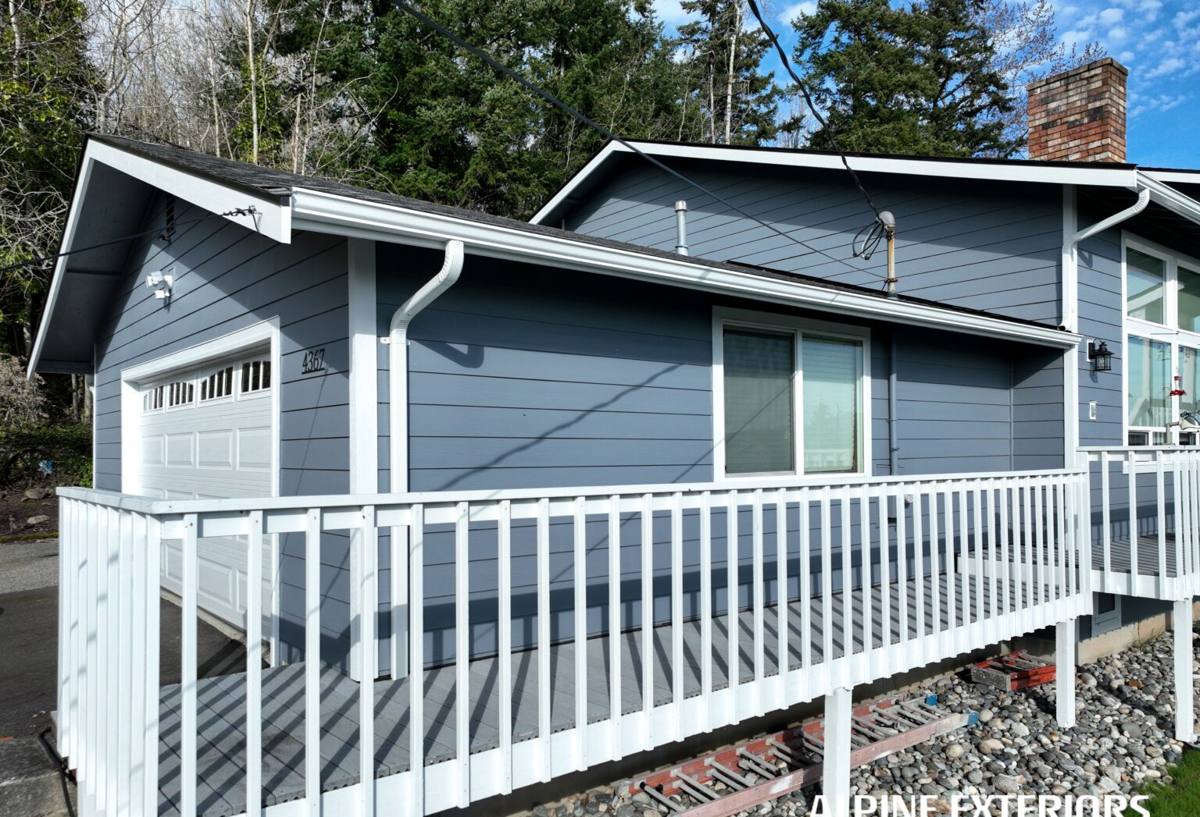
Recognizing When a Fairhaven Roof Needs Replacement, Not Another Repair
Age and Material Life Expectancy
Standard asphalt shingle roofs in this climate tend to reach the end of their useful life somewhat earlier than their rated lifespan suggests, simply because of the added moisture exposure. If your roof is approaching or past the manufacturer's expected service life and you're already calling for repairs more than once every year or two, replacement is usually the more economical path — repeated repair labor and material costs add up, and each new penetration point is another place water can eventually find its way in.
Signs a Patch Won't Solve
- Granules collecting in gutters or at downspout outlets in significant amounts
- Shingles that are curling, cupping, or visibly brittle when touched
- Moss growth that has lifted shingle edges rather than just sitting on the surface
- Soft or spongy spots in the decking felt from the attic or noticed while walking the roof
- Daylight visible through the roof deck from inside the attic
- Leaks that reappear in a different spot each time a repair is made
If you're seeing two or more of these at once, it's worth getting a straight answer on whether a repair is really buying you time or just delaying an inevitable full replacement.
Choosing a Roofing Material That Holds Up Near the Water
There isn't one "correct" material for every Fairhaven home — it depends on your roof's pitch, how much shade it gets, your budget, and how the house looks architecturally. What matters is picking a material with your eyes open about how it performs under salt air, sustained moisture, and moss pressure.
| Material | Salt Air / Moisture Behavior | Moss Resistance | Relative Maintenance |
|---|---|---|---|
| Standard asphalt shingle | Performs adequately; granule loss can accelerate with prolonged wet exposure | Moderate — benefits significantly from algae-resistant granules | Low to moderate |
| Algae-resistant (AR) asphalt shingle | Same base durability as standard shingle, with copper- or zinc-infused granules that inhibit growth | Higher than standard shingle | Low |
| Standing seam metal | Excellent when properly coated and fastened; steep slope sheds moisture quickly | High — smooth surface and slope discourage moss | Low, but coating/fastener quality matters near salt air |
| Cedar shake/shingle | Attractive traditional look, but requires more diligence in a wet, shaded climate | Lower — needs regular cleaning and treatment to resist moss and rot | High |
| Synthetic composite | Good moisture resistance; doesn't absorb water like wood | Moderate to high depending on product | Low |
For most Fairhaven homes with any meaningful tree cover, we steer people toward algae-resistant asphalt or metal roofing over traditional cedar. That's not a knock on cedar as a material — it's a professional judgment call based on the extra upkeep it demands in a shaded, marine climate. If you love the cedar look, synthetic composite shingles can get you close to that appearance with less long-term moss and moisture maintenance.
What a Correct Installation Actually Involves
Tear-Off and Deck Inspection
A proper installation starts with full tear-off down to the deck, not a layer-over. That's the only way to actually see what condition the sheathing is in. Any water-damaged or rotted decking gets identified and replaced before anything new goes down — covering over bad decking is one of the most common shortcuts that leads to problems a few years later.
Underlayment and Water Barrier
Given how much wind-driven rain Fairhaven roofs deal with, underlayment choice matters more here than in a drier climate. Synthetic underlayment with self-adhering ice-and-water barrier at eaves, valleys, and around penetrations gives the roof a real second line of defense if wind ever pushes water up under the shingle edge.
Ventilation
Balanced intake and exhaust ventilation keeps the attic dry and temperature-regulated, which does two things: it extends the life of the roofing material from underneath, and it reduces the moisture buildup that contributes to moss and mildew issues at the roof surface. A roof can be installed perfectly on top and still underperform if the attic underneath isn't breathing correctly.
Flashing and Edge Detail
Flashing around chimneys, skylights, valleys, and roof-to-wall transitions is where most leaks actually start — not in the open field of shingles. Correctly formed and fastened flashing, with materials chosen to resist corrosion from salt air, is not an optional upgrade; it's a baseline requirement for a roof that's going to last near the water.
Fastening and Code Compliance
Proper nailing patterns and fastener placement matter for wind resistance, and everything is installed to current Whatcom County building code, with permits pulled and inspections scheduled as required.
Our Installation Process, Start to Finish
- On-site inspection of the current roof, attic ventilation, and decking condition
- Written estimate that walks through material options and what each one means for your specific roof
- Permit pulled with the appropriate local jurisdiction before work begins
- Full tear-off of existing roofing material
- Deck inspection and repair or replacement of any damaged sheathing
- Installation of underlayment and water barrier at vulnerable points
- Ventilation components installed or corrected as needed
- New roofing material installed per manufacturer specifications
- Flashing, edge metal, and penetration details completed
- Full site cleanup, including magnetic sweep for stray fasteners
- Final walkthrough so you can see and understand the completed work
Living With a Long Moss Season: What Happens After Installation
A new roof in Fairhaven isn't a "set it and forget it" situation, and we won't tell you otherwise. Moss spores are always in the air here, and a shaded roof will always be more susceptible than one in full sun. A few habits go a long way toward protecting your investment:
- Keep gutters and downspouts clear so water isn't sitting against roof edges
- Trim back overhanging branches to reduce shade and debris buildup
- Have moss physically removed rather than pressure-washed, which can strip granules and shorten shingle life
- Consider zinc or copper control strips at the ridge, which release trace metals that discourage regrowth as rain washes over them
- Schedule a periodic visual inspection, especially after major windstorms off the bay
None of this requires a large amount of time or money — it's mostly about not letting small issues sit long enough to become big ones.
Why Hiring a Crew That Already Works in Fairhaven Matters
Fairhaven has a mix of older homes with original framing quirks and newer construction, and a crew that's worked in the neighborhood already has a feel for what's common here — older roof decking that needs closer inspection, houses positioned to catch more wind off the water, and the shade patterns that drive moss growth on specific roof faces. That familiarity shows up in a more accurate estimate up front and fewer surprises once tear-off begins. It also means we already understand the permitting process with the relevant local jurisdiction and aren't learning it for the first time on your project.
What to Ask Before You Hire Anyone for This Job
- Are you licensed, bonded, and insured to work in Washington State?
- Will you provide a written estimate that itemizes materials and labor?
- Who pulls the permit, and is that included in the quote?
- What underlayment and ventilation approach do you use, and why?
- What's covered under workmanship warranty versus manufacturer warranty, and for how long?
- Can you explain, in plain terms, why you're recommending one material over another for my roof?
A contractor who answers these clearly and without hedging is generally a good sign. One who avoids specifics or rushes you to sign is worth a second look.
Get a Straight Answer About Your Fairhaven Roof
If your roof is showing its age, dealing with persistent moss, or you're just planning ahead, we're glad to come take a look and give you an honest assessment — no pressure, no scare tactics, just a clear picture of your options. Use the form below to request a free estimate.