 Bellingham Roofing
 New Roof Installation Built for Happy Valley's Weather
Happy Valley sits close enough to the water and tree cover that its homes take a different kind of beating than roofs a few miles inland. Salt-laden air moves in off Bellingham Bay, driving rain comes in sideways during fall and winter storms, and the shaded, moisture-heavy lots that make this neighborhood attractive also give moss a long growing season with almost no downtime. A new roof here isn't just about picking a shingle color. It's about choosing materials and installation details that hold up to a specific combination of salt, water, and shade that not every roofing crew thinks about.
We install new roofs throughout Whatcom County, but Happy Valley jobs get planned with these three factors in mind from the first inspection to the final nail.
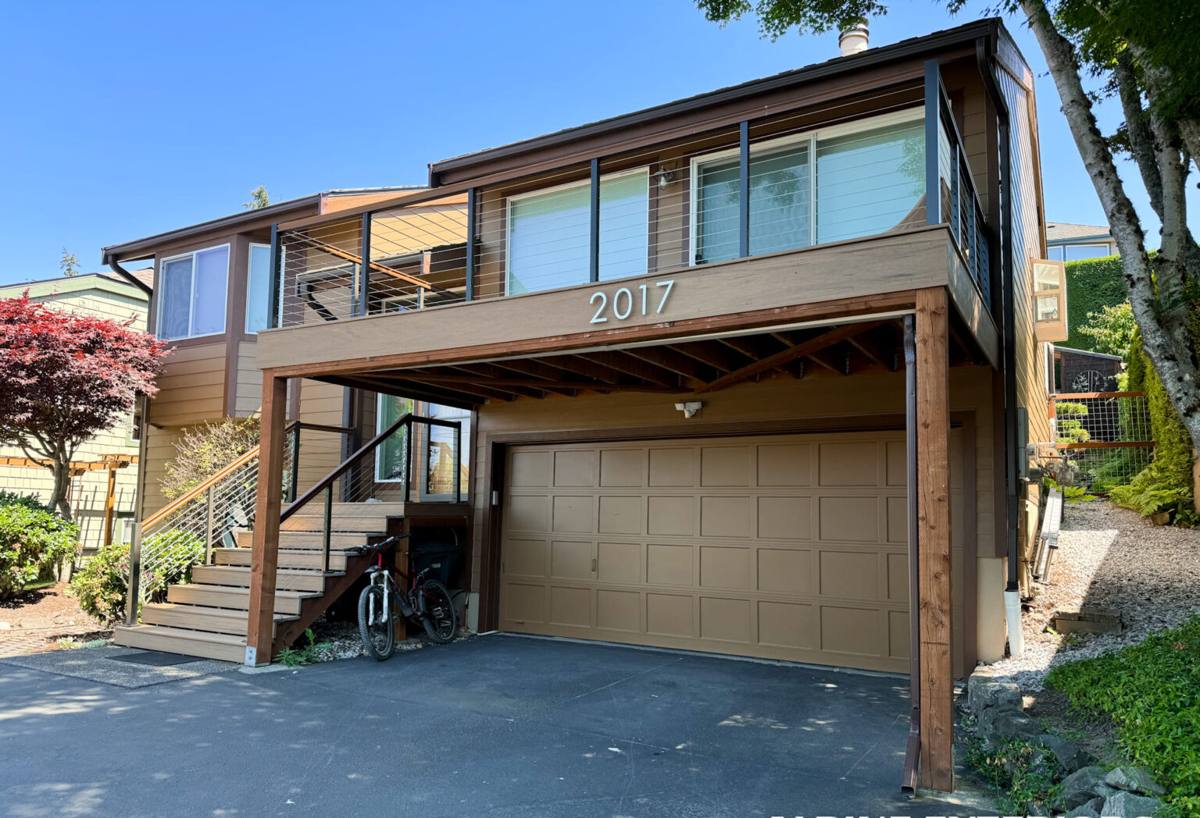
What Happy Valley Homes Are Up Against
Salt Air and Metal Fatigue
Airborne salt accelerates corrosion on exposed metal — flashing, fasteners, gutters, and vents. Cheap or mismatched metal components can start showing rust streaks and pinholes years before the shingles around them wear out. This is one of the more overlooked reasons a roof fails early: the field material is fine, but the metal details corrode and let water in underneath.
Driving Rain and Wind-Driven Water
Bellingham's rain doesn't always fall straight down. Storms off the water push rain sideways and up under eaves, ridge caps, and anywhere shingles overlap. A roof that's only detailed for vertical rainfall — thin underlayment, minimal ice-and-water coverage, loose ridge venting — will leak in exactly these conditions, even though it looks fine on a dry day.
Moss Season That Doesn't Really End
Tree cover and persistent damp conditions mean moss and algae can establish on a roof almost any time of year in Happy Valley, not just in the classic wet months. Moss holds moisture against the roofing material, lifts shingle edges as it grows, and shortens the life of whatever's underneath it. Roofs installed without moss-resistant strategy tend to need cleaning and early repair sooner than owners expect.
What a Correct New Roof Installation Actually Involves
A new roof is only as good as what's underneath the shingles. The visible layer gets all the attention, but the parts nobody sees are what actually keep water out.
Underlayment and Water Barrier Choices
For a roof exposed to driving rain and salt air, we lean toward synthetic underlayment with extended ice-and-water shield coverage at eaves, valleys, and any low-slope transitions — the spots where wind-driven water is most likely to find a way in. This costs more upfront than minimal felt coverage, but it's the difference between a roof that sheds a sideways storm and one that doesn't.
Flashing Details That Get Skipped
Flashing around chimneys, skylights, sidewalls, and roof-to-wall transitions is where most leaks actually start, not in the open field of shingles. In a salt-air environment, we pay particular attention to the metal grade and fastener type used here, since this is exactly where corrosion shows up first.
Ventilation and Moisture Control
Balanced intake and exhaust ventilation keeps the attic dry and the roof deck at a stable temperature, which matters for shingle lifespan and for slowing moss growth from the underside up. A roof that traps moisture in the attic is fighting itself before the weather even gets involved.
Choosing Roofing Materials for Happy Valley
There's no single "best" roofing material — the right choice depends on your home's exposure, your budget, and how much long-term maintenance you want to take on. Here's how the common options stack up against Happy Valley's specific conditions.
| Material | Salt Air Behavior | Moss Resistance | Maintenance Load |
|---|---|---|---|
| Architectural asphalt shingle | Good with proper metal flashing/fasteners | Moderate — improves with algae-resistant granules | Low to moderate |
| Standing seam metal | Very good with coated, marine-grade metals | High — sheds moisture, little surface for moss to grip | Low |
| Cedar shake | Fair — needs regular treatment near salt exposure | Low without diligent upkeep | High |
| Basic 3-tab shingle | Fair — thinner profile, more exposed edges | Lower — fewer algae-resistant options | Moderate |
For most Happy Valley homes, we recommend architectural shingles with algae-resistant granules or standing seam metal as the two strongest fits. Cedar can look great here, but it asks for more upkeep than most owners want to commit to given the moss pressure in this area.
Our Installation Process, Step by Step
- On-site inspection of the existing roof, decking, flashing, and attic ventilation — not just a look from the ground.
- Written estimate outlining materials, scope, and any decking repairs found or expected.
- Full tear-off of old roofing material and disposal, rather than layering over existing shingles.
- Decking inspection and replacement of any soft, rotted, or water-damaged sheathing before anything new goes down.
- Installation of synthetic underlayment and extended ice-and-water barrier at vulnerable areas.
- New flashing at all penetrations, valleys, and wall transitions using corrosion-appropriate metal.
- Shingle or panel installation to manufacturer specification, including proper nailing pattern and exposure.
- Ridge and intake ventilation set or corrected to balance attic airflow.
- Full site cleanup, including magnetic sweep for stray fasteners.
- Final walk-through so you can see the completed work before we consider the job done.
Cost Factors for a New Roof in Happy Valley
Every roof is priced on its own specifics, but these are the factors that move the number most for homes in this area.
| Factor | Why It Matters Here |
|---|---|
| Roof size and pitch | More surface area and steeper slopes mean more material and labor time |
| Decking condition | Moss and prolonged moisture exposure can hide rot that isn't visible until tear-off |
| Material choice | Metal and higher-grade architectural shingles cost more upfront but need less upkeep against moss and salt |
| Flashing and metal detail work | Marine-grade or corrosion-resistant metal costs more but avoids early rust failures |
| Access and tree cover | Dense tree canopy common in Happy Valley can add time for setup, safety, and debris management |
Rough budgeting for a full tear-off and replacement on an average home typically lands in the range most homeowners expect for the Pacific Northwest — but the honest answer is always "it depends on what we find at the decking," which is why we inspect before quoting a final number.
Why Local Experience in Happy Valley Matters
A crew that mainly works dry, low-shade neighborhoods will approach a Happy Valley roof the same way they'd approach any other job — and that's exactly how moss and salt-air problems slip through. Knowing which streets sit under heavier tree cover, which exposures catch the worst of the wind-driven rain, and which metal specs actually hold up near the water changes what gets specified before the first shingle is ever ordered. We work throughout Whatcom County and treat Happy Valley's conditions as a starting assumption, not an afterthought.
A Pre-Installation Checklist for Homeowners
Before you commit to a new roof, it's worth confirming a few things — whether you go with us or anyone else.
- Get a written scope that specifies underlayment type and ice-and-water shield locations, not just the shingle brand.
- Ask what metal grade will be used for flashing, vents, and fasteners.
- Confirm whether old decking will be inspected and, if needed, replaced — not just covered over.
- Check that attic ventilation is part of the plan, not treated as a separate add-on.
- Ask how the crew handles moss-prone areas of the roof specifically, since a generic answer is a red flag.
- Verify licensing, insurance, and workers' comp coverage before any work starts.
- Get the warranty terms in writing, including what's covered on labor versus materials.
Maintenance After Installation to Fight Moss and Salt Air
A well-installed roof still benefits from basic upkeep in a climate like this. Keeping gutters clear of debris prevents standing water that feeds moss growth. Trimming back overhanging branches where practical reduces shade and keeps the roof surface drying out between rains. A light rinse or approved treatment on moss-prone slopes every year or two, done carefully to avoid damaging granules or panels, goes a long way toward protecting the investment. None of this replaces good installation — but it extends the life of a roof that was built right in the first place.
If you're weighing options for a new roof in Happy Valley, we're glad to come take a look and walk you through what your home specifically needs — no pressure, no obligation. Use the form below to request a free estimate.