 Bellingham Roofing
 Roof Replacement in Birchwood: Built for This Corner of Bellingham
Birchwood sits close enough to the water and the tree cover that its roofs take a different kind of beating than homes further inland. Salt-tinged air off Bellingham Bay, long stretches of driving rain through fall and winter, and a moss season that seems to start earlier every year all add up. A roof that might last two extra years in a drier, sunnier part of Whatcom County often needs attention sooner here. If you're looking into a roof replacement for a Birchwood home, the details matter more than the brand name on the shingle wrapper.
This page covers what actually goes into a correct roof replacement in this specific area — the climate factors, the materials that hold up, the steps in a proper tear-off and install, and what to ask before you hire anyone.
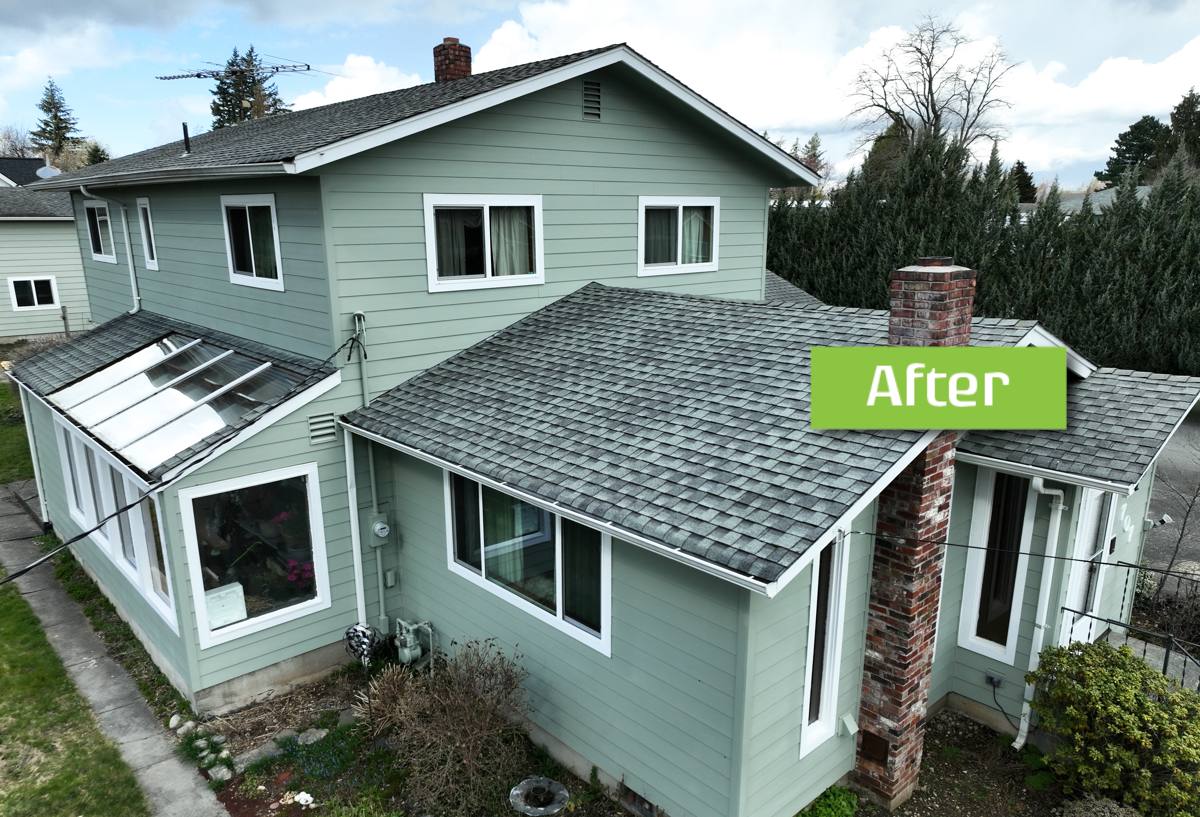
What Birchwood's Climate Does to a Roof
Whatcom County's marine climate is generally mild, but "mild" doesn't mean easy on a roof. A few things stack up in Birchwood specifically:
Salt Air and Metal Fatigue
Homes closer to the bay see slightly elevated salt exposure compared to roofs further inland. Over years, this accelerates corrosion on unprotected metal — flashing, fasteners, and vent stacks in particular. It's not dramatic, but it's steady, and it's one reason we pay close attention to the metal components of a roof system, not just the shingles.
Driving Rain and Wind-Driven Moisture
Bellingham gets a lot of rain, and a good share of it doesn't fall straight down — it comes in at an angle off Puget Sound weather systems. Wind-driven rain finds weak points that a straight-down downpour never would: under-lapped shingle courses, poorly sealed valleys, and flashing that was installed "close enough." A roof built for a drier climate elsewhere often isn't detailed for this kind of exposure.
Moss, Shade, and Tree Cover
Birchwood has enough mature tree cover that shaded roof sections stay damp longer after a storm than a roof out in the open would. That extended dampness is exactly what moss and algae need to get established. Moss doesn't just look bad — it holds moisture against the roof surface, works its way under shingle edges, and can lift granules and shorten the life of the roofing material underneath it.
Signs a Birchwood Roof Is Due for Replacement
Not every roof problem means a full replacement, but in this climate, certain signs point that direction more reliably than others.
- Granules collecting in gutters or at downspout outlets, especially after wind or rain events
- Moss or dark streaking that keeps coming back within a season or two of cleaning
- Curling, cupping, or cracked shingles, particularly on south- and west-facing slopes
- Soft spots in the roof deck when walked, or sagging visible from the ground
- Daylight visible through the attic roof boards, or damp insulation near the eaves
- Flashing around chimneys, skylights, or vent pipes that's rusted, lifted, or gapped
- Interior ceiling stains that appear after heavy rain, even if they dry out afterward
- A roof approaching or past the manufacturer's expected service life for this climate
What a Correct Roof Replacement Involves Here
A roof replacement is more than swapping old shingles for new ones. In a climate like Bellingham's, the underlying details are what determine whether the new roof actually outperforms the old one.
Full Tear-Off, Not Overlay
We remove the existing roofing down to the deck rather than layering new material over old. Overlaying traps moisture, hides deck damage, and voids most manufacturer warranties. It also means we never get an honest look at the deck itself — which, given the moisture exposure here, is where problems tend to hide.
Deck Inspection and Repair
Once the old roofing is off, we inspect the sheathing for soft spots, delamination, or rot — common where moss or wind-driven rain has been working at a weak point for years. Any compromised deck sections get replaced before anything new goes down. Skipping this step is one of the most common ways a "new roof" fails early.
Underlayment Built for Wet Climates
We use synthetic or self-adhered underlayment suited to sustained wet weather, with extra attention to ice-and-water shield protection at eaves, valleys, and any low-slope transitions. This is the layer that protects the deck if wind-driven rain ever gets past the shingle surface, and it's not a place to cut corners.
Flashing Done Right
Flashing failures are behind a large share of roof leaks, and salt-air corrosion makes material choice matter more here. We install properly lapped, corrosion-resistant flashing at every penetration, valley, and wall intersection, rather than relying on sealant alone to do the job.
Ventilation That Matches the Climate
Balanced intake and exhaust ventilation keeps the attic space closer to outdoor temperature and humidity, which reduces condensation risk and helps prevent the kind of trapped moisture that shortens roof life in a damp climate. We check existing ventilation as part of every replacement, not as an afterthought.
Choosing Materials for a Salt-Air, High-Moisture Environment
There's no single "best" roofing material for every home — it depends on the roof's slope, the home's exposure, and the owner's priorities. Here's how the common options compare for a Birchwood-type setting:
| Material | How It Handles This Climate | Maintenance Considerations |
|---|---|---|
| Architectural asphalt shingles | Good performance with proper underlayment and ventilation; algae-resistant granule options help with moss/algae staining | Periodic moss and debris removal, especially on shaded slopes |
| Metal roofing (standing seam or panel) | Sheds wind-driven rain very effectively; needs corrosion-resistant coatings/fasteners near salt air | Low maintenance once installed correctly; fastener and coating quality matter more here than most places |
| Cedar shake | Traditional look but holds moisture longer in shaded, damp areas, which increases moss and rot risk | Higher upkeep; needs regular treatment and inspection in this climate |
| Synthetic/composite shingles | Consistent moisture and impact resistance with less variability than natural wood products | Generally low maintenance; verify warranty terms for coastal/wet climates |
We'll walk through these trade-offs honestly based on your roof's slope, shade exposure, and budget — there's rarely one "right" answer, just the option that fits your specific situation best.
Our Roof Replacement Process
- On-site inspection. We assess the current roof, deck condition, ventilation, and any problem areas specific to your property's exposure and tree cover.
- Honest scope and estimate. You get a clear breakdown of what's needed, material options, and pricing — no pressure, no scare tactics.
- Scheduling around the weather. Given how much rain Bellingham sees, we plan tear-off and install around forecasted dry windows whenever possible to protect your home during the process.
- Tear-off and deck inspection. Old material comes off, the deck is inspected, and any repairs are addressed before new material goes down.
- Underlayment, flashing, and material installation. Each layer is installed to spec, with extra attention to the areas most exposed to wind-driven rain.
- Final walkthrough. We review the completed work with you, including gutters, flashing, and ventilation, before considering the job done.
Why a Crew That Already Works Birchwood Matters
Roofing crews that mostly work drier, inland climates sometimes apply the same detailing they'd use anywhere else — and it shows up years later as a leak at a valley or a flashing point that wasn't built for sustained wind-driven rain. Working regularly in Bellingham and around Whatcom County means we already know which slopes and orientations in this area tend to hold moss, how much ventilation a typical attic here actually needs, and where salt-air corrosion tends to show up first. That local pattern recognition doesn't replace a proper inspection of your specific roof, but it does mean fewer surprises during the job.
Questions to Ask Before You Hire
- Will you do a full tear-off, or are you proposing an overlay?
- How will you inspect and address deck damage if you find it?
- What underlayment and ice-and-water shield products do you use, and where?
- How do you handle ventilation as part of a replacement, not just the shingles?
- What's covered under workmanship warranty versus manufacturer warranty, and for how long?
- Are you licensed and insured to work in Washington State?
If your Birchwood roof is showing its age or you just want an honest read on where it stands, we're happy to take a look. Estimates are free, there's no pressure to commit, and you'll get a straight answer about what your roof actually needs — the form below is the easiest way to get started.