 Bellingham Roofing
 Roof Replacement in Cordata: A Neighborhood With Its Own Weather Problems
Cordata sits in north Bellingham, close enough to the water and to I-5's tree-lined corridor that its roofs take on a specific combination of stress most homeowners don't think about until they're standing in the attic with a flashlight. Salt-tinged air moves off the Salish Sea and settles into the neighborhood the same way it does across the rest of Whatcom County. Rain arrives sideways more often than straight down. And the mature tree cover that makes Cordata a pleasant place to live also means shaded roof slopes that stay damp for months at a stretch, feeding a moss season that can run nearly year-round on the wrong exposure. None of that is exotic or unique to this one neighborhood, but it's the specific combination a roof replacement here has to be built to handle, and it's why we treat Cordata jobs differently than a job on a dry, open lot somewhere else in the county.
A roof replacement is one of the largest single investments most homeowners make in a house, and it's also one of the easiest to get wrong in ways that don't show up for years. This page walks through what a Cordata roof actually deals with, what a correctly done replacement includes, what it costs and why, and how we handle the job from first look to final inspection.
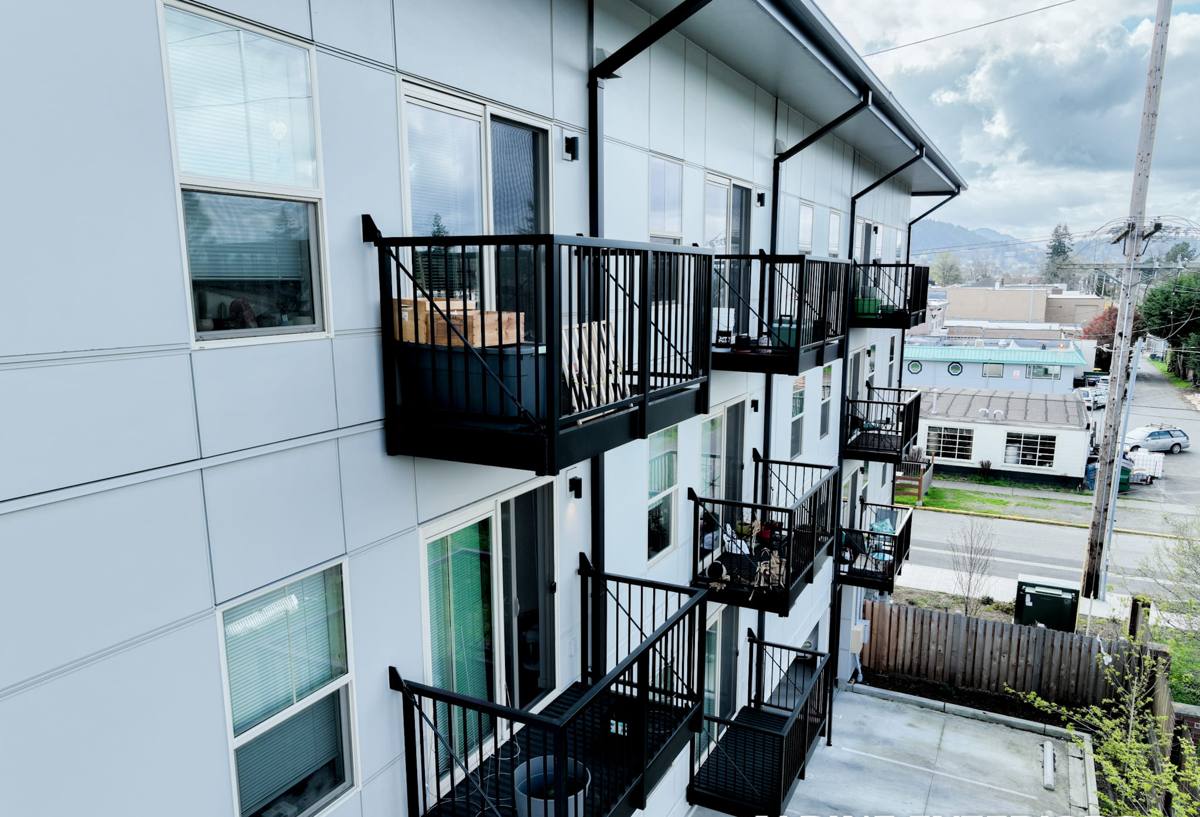
Why Cordata Roofs Wear Differently
Salt Air and Metal Fatigue
Even a few miles inland from Bellingham Bay, moisture-laden marine air carries enough salt to accelerate corrosion on exposed metal. Nails, flashing, vent stacks, and fastener heads that aren't properly rated or protected will start showing rust and pitting years before an equivalent roof in a dry inland climate. This is a slow, quiet kind of wear. It doesn't announce itself with a leak on day one; it shows up as streaking, weakened fastener holding power, and flashing that fails at the seams long before the field material around it is due for replacement.
Driving Rain and Wind-Driven Water
Pacific Northwest storms don't just drop water straight down onto a roof deck. Wind pushes rain sideways and up under shingle tabs, around chimney flashing, and into any gap in the underlayment that a fair-weather installation might get away with. A roof that's only built to shed water moving downhill will eventually leak in Whatcom County; it has to be built to resist water being driven sideways and upward too, which comes down to underlayment coverage, flashing laps, and fastening patterns done correctly the first time.
The Long Moss Season
Cordata's tree cover is part of the neighborhood's character, but shade plus moisture plus mild temperatures is exactly the recipe moss needs. On north-facing slopes and anywhere overhung by trees, moss can establish itself in a matter of months and keep growing through most of the year. Moss doesn't just look bad. It holds moisture against the roofing material, lifts shingle edges as it grows, and works its way under tabs and around fasteners, shortening the service life of an otherwise sound roof.
Repair or Replace? Reading the Signs on a Cordata Roof
Not every roof problem means a full tear-off. But there's a point where patching becomes throwing money at a system that's already failing underneath. These are the signs we look for when deciding which side of that line a roof is on:
- Granule loss heavy enough to show bald patches or fill gutters with grit
- Shingles that are cupping, curling, or cracking across multiple sections of the roof, not just one spot
- Moss or dark algae staining covering a significant portion of any slope, especially shaded ones
- Soft or spongy decking felt underfoot when walking the roof, a sign moisture has reached the sheathing
- Daylight visible through the roof deck from inside the attic
- Flashing around chimneys, skylights, or valleys that's rusted, lifted, or was never properly stepped and sealed
- A roof already at or past the manufacturer's expected service life for its material and this climate
- Repeated leak calls to the same area even after past patch repairs
One or two of these on their own might just mean a targeted repair. Several together, especially combined with an aging roof, usually mean the underlying system is compromised and a replacement is the more honest recommendation, both for your budget long-term and for what's protecting the rest of the house.
What Actually Goes Into a Correct Roof Replacement
Full Tear-Off and Deck Inspection
We don't install new roofing over old. A full tear-off exposes the deck, which is the only way to actually find and fix rot, soft spots, or delamination before they're sealed under a new roof for another 20-plus years. Any damaged sheathing gets replaced, not skipped over, before anything new goes down.
Underlayment and Water Barrier
Given how much of this climate's damage comes from wind-driven and sideways-moving water, underlayment coverage matters as much as the shingle brand on top of it. We use synthetic underlayment across the full deck and add self-adhered ice-and-water barrier at the eaves, valleys, and any other vulnerable transition point, which is where the majority of real-world leaks actually originate.
Flashing Done Right
Chimneys, skylights, sidewalls, and valleys all need step flashing and counter-flashing installed in the correct sequence with the shingle courses, not caulked over as a shortcut. Caulk fails within a few years in this climate; properly lapped and sequenced metal flashing doesn't rely on a sealant staying intact to keep water out.
Ventilation That Matches the Attic
A roof replacement is also the right time to correct ventilation, since the deck is fully exposed. Balanced intake at the eaves and exhaust at the ridge keeps attic moisture moving out instead of condensing against the underside of the deck, which matters directly for how long the new roof and the framing beneath it will last in a damp climate like this one.
Choosing the Right Roofing Material for This Climate
There's no single "best" roofing material for every Cordata home; the right choice depends on the roof's slope, exposure, budget, and how long you plan to stay in the house. Here's how the common options actually compare for this specific climate:
| Material | How It Handles Salt Air & Rain | Moss Resistance | Typical Lifespan Here |
|---|---|---|---|
| Architectural (laminate) asphalt shingle | Good with proper flashing and underlayment; corrosion risk limited to fasteners if not rated correctly | Moderate; benefits from algae-resistant granules and periodic cleaning | 20-30 years |
| 3-tab asphalt shingle | Adequate but less wind resistance and a thinner wear layer than laminate shingles | Lower; wears faster under sustained moss and moisture exposure | 15-20 years |
| Standing seam metal | Excellent when properly coated and fastened with compatible hardware; sheds wind-driven rain well | High; moss struggles to gain a foothold on a smooth metal surface | 40-50+ years |
| Cedar shake | Requires diligent maintenance in marine air; higher upkeep to prevent premature decay | Low without regular treatment; shaded slopes are especially vulnerable | 20-30 years with upkeep |
We'll walk you through these trade-offs honestly rather than pushing one product line. A shaded, north-facing roof under heavy tree cover is a different conversation than an open south slope, even on the same street.
Cost Factors in a Cordata Roof Replacement
Every roof is priced individually after an actual inspection, but the factors that move the number are consistent. Broad ranges depend heavily on these variables, so treat any quote you get as tied to the specifics of your roof, not a flat per-square rate:
| Factor | Why It Matters |
|---|---|
| Roof size and number of planes | More square footage and more cuts, valleys, and hips mean more material and labor time |
| Pitch and access | Steep or hard-to-access roofs require more safety setup and slow the work down |
| Deck condition | Rotted or soft sheathing found at tear-off adds material and labor not visible from a curbside estimate |
| Material chosen | Asphalt, metal, and cedar carry very different material and installation costs per square |
| Flashing and penetration count | Chimneys, skylights, and multiple valleys all add detail work beyond the open field of the roof |
| Ventilation upgrades | Adding or correcting intake and exhaust venting is easiest and most cost-effective during a full replacement |
| Tear-off layers | Removing multiple existing layers of roofing takes longer and costs more in disposal than a single layer |
Our Roof Replacement Process, Start to Finish
- On-site inspection. We walk the roof (weather permitting) and check the attic from inside, looking at slope, exposure, existing material condition, and ventilation.
- Written estimate. You get a clear, itemized quote covering material, tear-off, disposal, and any flashing or ventilation work identified, with no vague allowances.
- Scheduling around the weather. We plan tear-off days around forecasted dry windows where possible and keep the deck protected if conditions shift mid-job.
- Tear-off and deck inspection. Old roofing comes off down to the sheathing, which gets inspected and repaired before anything new is installed.
- Underlayment, flashing, and ventilation installation. Water barrier, synthetic underlayment, step and counter-flashing, and any ventilation corrections go in before the finish material.
- Finish material installation. Shingles or metal panels go down per manufacturer specification, not shortcuts, to keep warranty coverage intact.
- Site cleanup and final walkthrough. Debris and fasteners are cleared from the property, gutters checked, and we walk the finished roof with you before calling the job done.
Why Hiring a Crew That Already Works in Cordata Matters
A roofing crew that's worked this specific stretch of Whatcom County already knows how Cordata's tree cover changes moss exposure by slope orientation, how far salt air reaches inland from the bay, and what the City of Bellingham's permitting and inspection process expects for a residential re-roof. Some newer developments in the area also carry HOA guidelines on roofing material or color that need to be checked before a project starts, and a crew already familiar with the neighborhood catches that up front instead of mid-job. None of that is complicated, but it's the kind of local groundwork that gets skipped by a crew that treats every job the same regardless of where it sits.
Protecting Your New Roof: A Homeowner's Maintenance Checklist
A correctly installed roof still benefits from basic upkeep, especially in a moss-prone, high-moisture climate like this one:
- Have moss growth removed gently (not pressure-washed) as soon as it's visible, rather than letting it establish
- Keep overhanging branches trimmed back to reduce shade and debris buildup on the roof
- Clean gutters at least twice a year so water isn't backing up under the roof edge
- Check attic ventilation isn't blocked by insulation or storage that restricts airflow
- Have flashing around chimneys and skylights inspected every few years, since these are the first places a leak tends to start
- Address any interior ceiling staining right away rather than waiting for it to spread
If you're weighing a roof replacement for a Cordata home, we're happy to take a look and give you a straight answer about what your roof actually needs, no pressure and no inflated estimate to scare you into a bigger job than necessary. Use the form below to request a free estimate.