 Bellingham Roofing
 Roof Repair in Sehome: Built for Bellingham's Climate
Sehome sits close enough to Bellingham Bay that salt-laden air is part of daily life, and close enough to the surrounding hills that shade, moisture, and tree debris are part of it too. That combination is hard on a roof. Salt air accelerates corrosion on exposed metal fasteners and flashing. Driving rain off the Sound finds every weak seam, nail pop, and worn boot around a vent pipe. And Whatcom County's long, wet moss season — often running from fall through spring — keeps organic growth working at your shingles or shakes almost year-round. A roof repair in Sehome has to account for all three, not just patch the visible symptom.
We work on homes throughout this neighborhood and see the same failure patterns repeat: flashing that was never properly step-flashed against a wall, valleys that collect debris and hold moisture, and moss mats that trap water against the roofing material long after a storm has passed. A repair that doesn't address the underlying cause is a repair you'll be paying for again in a year or two.
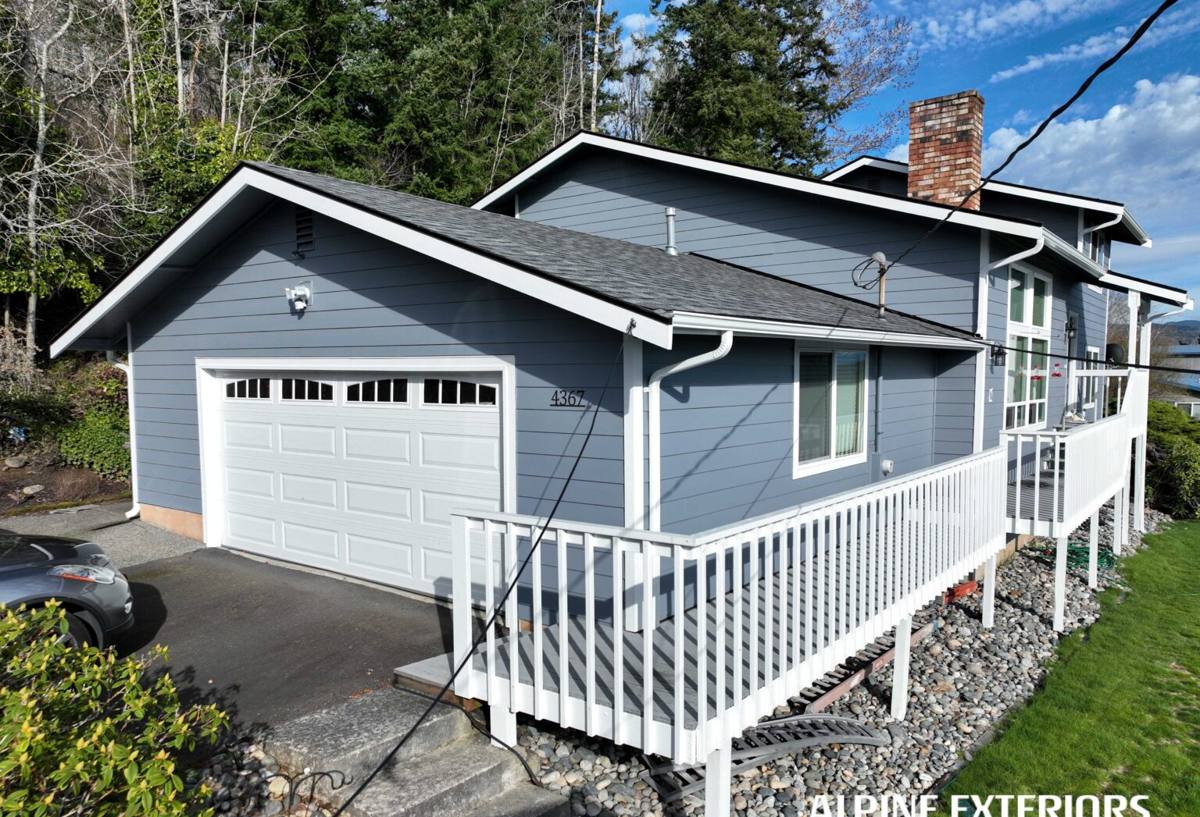
Signs a Sehome Roof Needs Repair
Most roof problems don't announce themselves with a dramatic leak. They show up as small, easy-to-miss signals first. Catching them early is the difference between a modest repair bill and a much larger one.
- Granules collecting in gutters or at downspout outlets — a sign asphalt shingles are wearing thin
- Dark streaking or thick moss growth, especially on north-facing slopes that stay shaded and damp longer
- Curling, cracked, or lifted shingle edges, often worst on slopes that catch the most wind-driven rain
- Rust staining or visible corrosion around metal flashing, vent boots, and fasteners
- Soft or discolored ceiling patches, especially near chimneys, skylights, or where two roof planes meet
- Daylight visible through the roof deck from inside an attic space
- Sagging or ponding in low-slope sections after a rain event
Any one of these on its own might be minor. Several together usually mean water has been getting in for a while, even if it hasn't reached the ceiling yet.
What a Correct Repair Actually Involves
Diagnosis Before Patching
A repair that starts with "seal the leak" instead of "find why it's leaking" tends to fail. We start by tracing water back to its actual entry point, which is frequently several feet — or several roof planes — away from where the stain shows up inside. Water travels along the underside of decking and rafters before it drips somewhere visible, so a stain in a bedroom ceiling might trace back to a valley or chimney flashing on the opposite side of the roof.
Matching Materials and Fasteners
Once we know the cause, the fix has to match the existing roof system — same or compatible shingle profile, correct underlayment at the repair edge, and fasteners rated for coastal exposure. Using mismatched materials or the wrong fastener metal is a shortcut that shows up as a second failure point within a season or two, particularly with the corrosion pressure salt air puts on hardware here.
Flashing Gets the Same Attention as Shingles
Most leaks we're called out for in this area trace back to flashing, not the field of the roof. Step flashing at wall intersections, counter-flashing at chimneys, and valley metal all move independently from the roofing material around them and have to be integrated correctly, not just caulked over. Caulk is a short-term patch, not a repair.
Common Repair Types We Handle in Sehome
| Issue | Typical Cause | What the Repair Involves |
|---|---|---|
| Leak at chimney or wall flashing | Corroded or improperly integrated flashing | Remove and reinstall flashing with correct step and counter-flashing detail |
| Valley leak | Debris buildup holding moisture against the roof | Clear debris, inspect valley metal or underlayment, replace as needed |
| Missing or lifted shingles | Wind-driven rain, age, or improper original fastening | Replace affected shingles with matched material, re-secure surrounding courses |
| Moss-related shingle damage | Prolonged moisture retention under moss mats | Moss removal, treatment, and replacement of any degraded shingles beneath it |
| Vent boot or pipe collar leak | Rubber boot cracked or shrunk from age and weather cycling | Replace boot, check surrounding shingles for granule loss or cracking |
| Soft or sagging deck section | Long-term moisture intrusion into the roof deck | Cut back to sound decking, replace plywood, re-flash and re-shingle |
Our Repair Process, Start to Finish
- Inspection and diagnosis — We get on the roof (or use a lift/drone where access is limited) and trace the actual water path, not just the visible symptom.
- Straight explanation — We walk you through what's actually wrong, show you what we found, and explain the repair options in plain terms — no pressure toward a full replacement if a repair genuinely solves the problem.
- Written estimate — You get a clear scope and price before any work starts. If we find something additional once we open up the area, we tell you before proceeding, not after.
- Repair work — Matched materials, correct flashing details, and fasteners suited to coastal exposure. We clean up the work area and haul away debris.
- Final check — We confirm the repair is sound and, where relevant, flag anything else on the roof worth keeping an eye on so you're not surprised later.
Repair vs. Replacement: How We Help You Decide
Not every problem roof needs a new roof. But sometimes a repair is a temporary fix on a system that's already near the end of its useful life, and it's worth knowing which situation you're actually in before you spend money.
| Factor | Favors Repair | Favors Replacement |
|---|---|---|
| Age of roofing material | Well within expected lifespan for the material | At or past typical service life for that material |
| Extent of damage | Localized to one area or component | Multiple failure points across different roof planes |
| Underlying deck condition | Solid, no widespread rot | Soft or damaged decking in multiple areas |
| Shingle condition overall | Granule loss and wear limited to the repair area | Widespread curling, brittleness, or granule loss |
| History of repeat leaks | First or isolated occurrence | Same areas leaking repeatedly despite past repairs |
We'll tell you honestly which column your roof falls into. A roof with isolated flashing failure and otherwise sound shingles is usually a repair. A roof with granule loss across every slope and a repair history longer than a page is usually money better spent on replacement.
Moss, Moisture, and Salt Air: Maintenance That Prevents the Next Repair
Given Sehome's exposure to both bay-driven moisture and shaded, tree-covered lots, a repair holds up longer when it's paired with ongoing maintenance rather than treated as a one-time fix.
- Keep gutters and valleys clear of needles and leaf debris so water isn't held against the roofing material
- Have moss treated before it forms thick mats — a light growth is far easier to manage than an established colony
- Check exposed metal flashing periodically for early corrosion, especially on roofs closer to the bay
- Trim back overhanging branches that keep sections of the roof shaded and slow to dry
- Schedule a roof check after major wind events, when lifted or displaced shingles are easiest to catch early
- Address small leaks immediately rather than waiting for warmer, drier weather — Whatcom County doesn't offer a long dry season to wait for
Why Hire a Crew That Already Works in Sehome
Roofing problems here aren't generic. A crew that mostly works drier inland climates may not default to coastal-grade fasteners, may under-account for moss regrowth cycles, or may not recognize how quickly a small flashing gap turns into deck damage under Bellingham's rainfall totals. Working regularly in Whatcom County neighborhoods like Sehome means we're used to diagnosing these specific patterns quickly instead of guessing.
It also means practical things: we know what local permitting and inspection expectations look like when a repair crosses into structural deck replacement, we carry the right materials for coastal exposure rather than special-ordering them mid-job, and we can usually get someone out for a look without a long wait, which matters when water is actively getting into your home.
What to Expect From an Honest Repair Estimate
A good estimate should tell you three things clearly: what's actually wrong, what it will take to fix it correctly, and what it will cost. It shouldn't rely on vague line items or pressure you toward replacement before a repair has been genuinely ruled out. If a contractor can't explain why they're recommending what they're recommending, that's worth questioning before you sign anything.
If you're dealing with a leak, missing shingles, moss damage, or flashing that's showing its age, we're happy to take a look and give you a straight assessment — no pressure, no inflated scope, just an honest read on what your roof actually needs. Reach out for a free estimate using the form below.