 Bellingham Roofing
 Siding Replacement Built for Silver Beach's Conditions
Silver Beach is one of those Bellingham neighborhoods where the setting is the whole point — homes sit close to the water, tucked under mature trees, with a lot of shade and a lot of moisture in the air year-round. That's a beautiful place to live, and it's also a demanding place to own a house. Siding here has to deal with a longer wet season than most of the country ever sees, moisture that gets trapped under tree canopy, and the slow, steady effect of marine air off the water working on anything that isn't built to shed it.
When we talk about siding replacement in Silver Beach specifically, we're not just talking about swapping old boards for new ones. We're talking about correcting whatever let the old siding fail in the first place, and installing a system that's actually engineered for Whatcom County's climate rather than a national average.
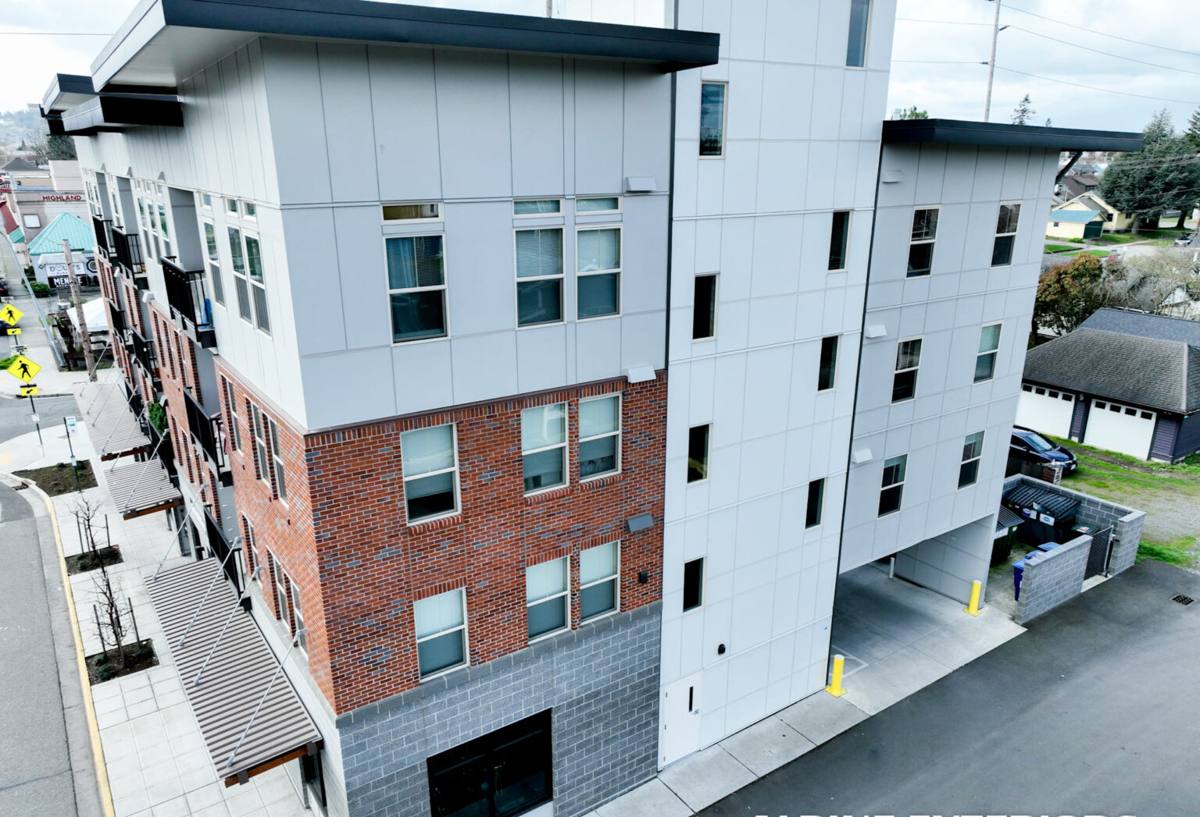
What Bellingham's Climate Actually Does to Siding
Salt-Influenced, Damp Marine Air
Bellingham sits close enough to the water that homes throughout the area, including Silver Beach, deal with a persistent marine influence — air that stays damp for long stretches and carries fine salt content that slowly works on fasteners, caulk lines, and any siding material that isn't dimensionally stable. It's a slow process, not a dramatic one, which is exactly why it gets missed until the siding is already failing.
Driving Rain
Whatcom County doesn't just get rain — it gets rain pushed sideways by wind off the water often enough that any wall assembly with a weak point in its water management will eventually leak. Driving rain finds gaps in flashing, worn caulk joints, and butt seams that were never properly lapped or sealed. Once water gets behind siding, the problem stops being cosmetic.
Moss and Shade
Tree cover that makes Silver Beach attractive also keeps siding shaded and slow to dry. Moss and algae take hold on north-facing walls and anywhere airflow is limited, and once established they hold moisture directly against the siding surface for months at a time. On the wrong material, that's a steady path toward rot, delamination, or paint failure.
Signs a Silver Beach Home Needs Siding Replacement, Not Just Repair
Not every siding problem calls for a full replacement. But there's a point where patching stops making sense and a full tear-off is the more honest recommendation. Some of what we look for:
- Soft or spongy spots when you press on the siding, especially near the bottom courses or around windows
- Paint that keeps failing within a year or two of repainting, no matter the brand or prep
- Visible gaps, warping, or cupping in individual boards or panels
- Moss or dark staining that returns quickly after cleaning
- Soft trim boards or discoloration on interior walls near exterior corners
- Siding that's original to a home built more than 20-25 years ago, especially if it's an engineered wood or hardboard product
If more than one or two of these show up in different spots around the house, that's usually a sign the moisture problem is systemic rather than local, and a full replacement lets us fix the water management for the whole wall at once instead of chasing individual failures.
Why We Only Install James Hardie Fiber Cement
We made a deliberate decision to install one siding system: James Hardie fiber cement, in the HardieZone lines engineered for our climate. We don't install vinyl, LP SmartSide, Cemplank, Allura, or unfinished wood products like primed spruce or cedar. That's not a marketing position — it's a standard we hold because of what we see in this climate specifically.
Fiber cement is non-combustible, doesn't expand and contract the way vinyl does in temperature swings, and doesn't carry the same moisture-related maintenance burden as engineered wood products. James Hardie's ColorPlus factory finish is baked on under controlled conditions rather than field-applied, which matters enormously in a climate where field-applied paint has to cure in damp, cool conditions more often than not. For a neighborhood like Silver Beach, where humidity and shade work against anything that relies on a good paint job to survive, that factory finish is a real advantage, not a talking point.
What a Correct Siding Replacement Actually Involves
Full Tear-Off, Not Overlay
We remove the existing siding down to the sheathing rather than installing over it. Siding over siding traps whatever moisture problems already exist and makes future issues invisible until they're serious. It also prevents a proper look at the wall assembly underneath, which is where the real problems usually are.
Inspecting and Correcting the Wall Assembly
Once the old siding is off, we inspect sheathing, framing, and any existing house wrap for rot or moisture damage. Any compromised sheathing gets replaced before anything new goes up. This step is the one that gets skipped by crews trying to move fast, and it's the one that determines whether the new siding actually lasts.
Weather-Resistive Barrier and Flashing
A correctly installed weather-resistive barrier, properly lapped and taped, along with correct flashing at windows, doors, and any wall penetrations, is what actually keeps driving rain out — the siding itself is the second line of defense, not the first. Given how much wind-driven rain this area sees, we don't treat this step as optional or generic.
Hardie Panel Installation to Spec
James Hardie publishes specific installation requirements — fastener spacing, clearances from grade and roof lines, joint treatment, and caulking specifications — and warranty coverage depends on following them. We install to those specifications, including the clearances that keep splash-back and standing moisture away from the bottom of the siding, which matters more in a shaded, damp neighborhood than it would in a drier climate.
Our Process, Start to Finish
- On-site assessment: We walk the exterior, check for moisture damage, and identify problem areas specific to your home's exposure and tree cover.
- Written estimate: A clear scope of work and cost, including any sheathing repair we anticipate based on what we find.
- Material selection: Choosing the right HardieZone product and ColorPlus finish for the home's style and exposure.
- Tear-off and inspection: Full removal of old siding, with any hidden damage documented and discussed before we move forward.
- Water management installation: Weather-resistive barrier, flashing, and trim work done before a single piece of siding goes up.
- Siding installation: Installed to James Hardie specifications, with attention to fastening, clearances, and joint treatment.
- Final walkthrough: A review of the finished work and care guidance specific to a shaded, moisture-heavy property.
Cost Factors for Siding Replacement in Silver Beach
Every home is different, and we won't quote a number without seeing the property, but these are the factors that most often move the price up or down on a Silver Beach job specifically:
| Factor | Why It Matters Here |
|---|---|
| Hidden sheathing or framing damage | Long-term moisture exposure and shade increase the odds of rot found once old siding comes off |
| Home size and wall complexity | More corners, dormers, and trim details mean more labor and cut waste |
| Access and site conditions | Sloped lots, tree cover, and tight lakeside or waterside setbacks can slow staging and scaffolding |
| Siding profile and finish chosen | Lap, shingle, and panel profiles carry different material and labor costs |
| Trim and accessory scope | Full trim replacement alongside siding costs more upfront but avoids mismatched old/new materials |
The most common surprise on older Silver Beach homes is hidden moisture damage behind the siding rather than anything about the siding itself — which is exactly why we always tear off and inspect rather than estimate blind.
Why Hiring a Crew That Already Works Silver Beach Matters
Siding installation isn't identical everywhere in Whatcom County. A crew that mostly works drier, more open sites will make different assumptions about drying time, clearances, and moisture barriers than one that regularly works shaded, water-adjacent neighborhoods like Silver Beach. We've installed siding on homes dealing with exactly this combination of shade, driving rain, and marine air, and we plan the job around it — from scheduling around wet weather to choosing joint and clearance details that account for slower drying conditions.
That local familiarity also shows up in smaller ways: knowing which sides of a house typically take the worst weather exposure, recognizing early moss patterns before they become a moisture problem, and not treating a shaded lakeside or waterside lot the same way we'd treat an open, sunny one across town.
Get a Straight Answer About Your Siding
If your Silver Beach home is showing any of the signs above, or you're just not sure whether you're looking at a repair or a full replacement, we're happy to take a look and give you an honest read — no pressure, no upsell. Fill out the form below for a free estimate.