 Bellingham Roofing
 Decks Built for Silver Beach's Lake Whatcom Setting
Silver Beach sits along the western shore of Lake Whatcom, one of Bellingham's older lakeside neighborhoods, with wooded lots, sloped yards, and homes that range from modest lake cabins converted to year-round residences to newer builds designed around the view. That combination — mature tree cover, uneven terrain, and proximity to the water — makes deck building here a different job than a flat, open lot on the other side of town. A deck that works well in Silver Beach has to account for shade, slope, and moisture at the same time, not just look good on install day.
We've built and repaired decks throughout this neighborhood long enough to know which shortcuts show up as problems in two or three years instead of twenty. This page covers what actually matters for a deck built here: the climate factors specific to this part of Bellingham, the design choices that hold up on sloped, tree-covered lots, and what a correctly built deck involves from footings to final walkthrough.
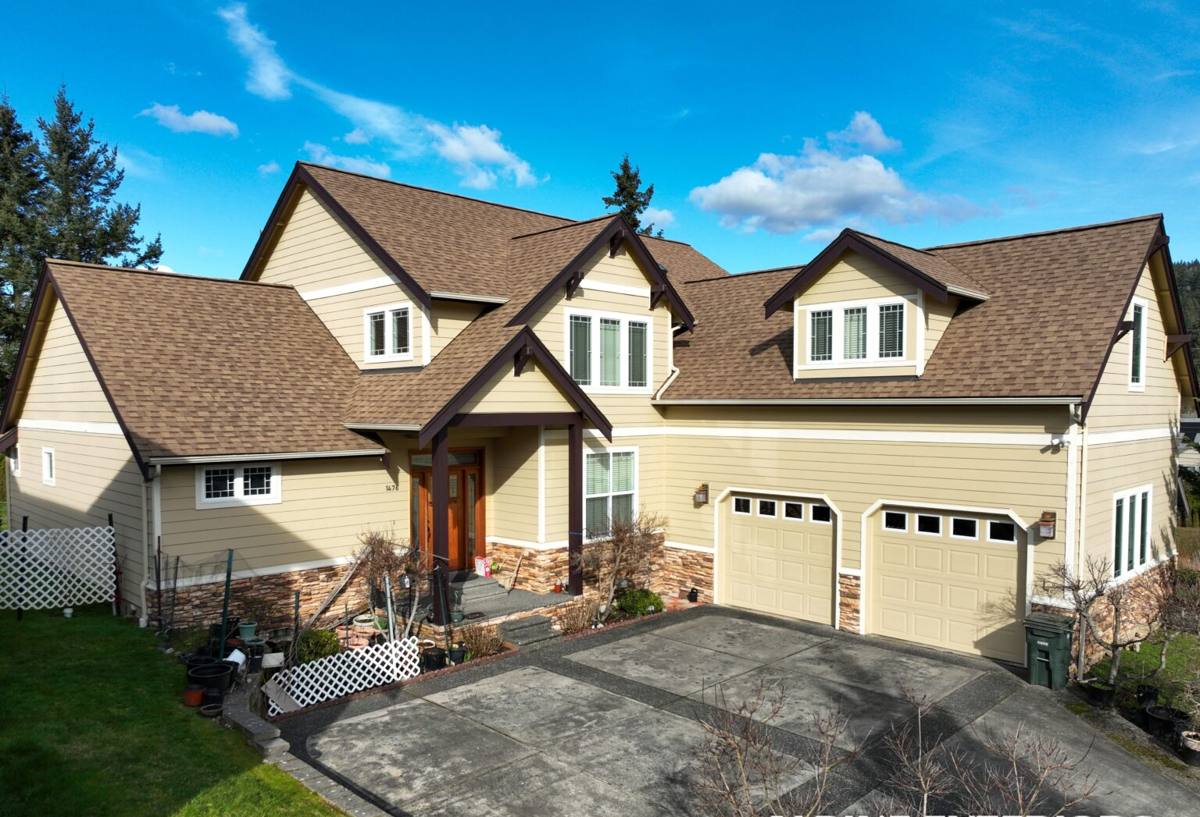
What Bellingham's Climate Does to a Deck
Whatcom County doesn't get brutal winters, but it makes up for that with sheer persistence. Long stretches of driving rain, high humidity off the Sound and Bellingham Bay, and short winter days mean a deck here spends more of the year damp than dry. Add in a lake-adjacent, tree-shaded lot like most in Silver Beach, and you get conditions that are genuinely harder on wood and hardware than a sunnier, drier property just a few miles away.
Moisture and Slow-Drying Surfaces
A deck that never fully dries out between rain events is a deck where rot gets a head start. Shaded decking, boards laid tight with no drainage gap, and framing without proper ventilation underneath all trap moisture longer than they should. Over time that shows up as soft spots, fastener corrosion, and — on framing that wasn't flashed correctly — rot at the ledger board where the deck meets the house.
Moss, Algae, and the Slip Factor
Bellingham's moss season isn't a one-month event — on a shaded lot near the lake, it can run most of the year. Moss and algae aren't just cosmetic; they hold moisture against the decking surface and turn boards slick, which is a real fall hazard on stairs and any deck with a grade change. Material choice and board spacing both affect how fast moss takes hold and how easy it is to keep off.
Salt Air and Corrosion
Bellingham Bay's marine air reaches inland across the county, and combined with constant dampness it accelerates corrosion on anything that isn't rated for it — cheap fasteners, uncoated brackets, and mismatched hardware are where we see premature failure most often. It's a smaller factor right at the lake than it is closer to the water, but it's still part of why we don't cut corners on hardware here.
Design Considerations for Silver Beach Lots
Sloped and Elevated Sites
Many Silver Beach lots step down toward the lake, which means decks are often elevated, cantilevered, or built on tall posts rather than sitting a foot off grade. That changes the structural math — footing depth, post bracing, and guardrail requirements all become more important on an elevated deck than on a ground-level patio deck. It also means access, stairs, and railing layout need to be planned around the slope, not bolted on as an afterthought.
Working Around Mature Trees
Tree cover is part of what makes this neighborhood what it is, and most owners want to keep it that way. That means designing footing placement around root zones, planning for how much leaf and needle debris will land on the deck surface, and sometimes adjusting board spacing or gap width so the deck sheds debris instead of collecting it. A deck plan that ignores the trees on the lot usually ends up fighting them for the life of the structure.
Lake Proximity and Shoreline Rules
Because Silver Beach sits directly on Lake Whatcom, decks close to the water's edge can fall under shoreline development review in addition to a standard building permit. That doesn't apply to every project — it depends on distance from the ordinary high-water mark and the scope of the work — but it's worth flagging early rather than finding out mid-project. We check this as part of our initial site visit so there are no surprises once permitting starts.
Choosing the Right Decking Material
There's no single right answer for every lot — it depends on budget, how much shade the deck gets, and how much maintenance the owner actually wants to do. Here's how the common options stack up for a shaded, damp Bellingham lot specifically:
| Material | Upfront Cost | Maintenance | Moisture & Moss Behavior |
|---|---|---|---|
| Pressure-treated wood | $ | Annual cleaning, periodic sealing/staining | Absorbs moisture; needs upkeep to resist rot and moss in shade |
| Cedar | $$ | Regular sealing to hold color and resist decay | Naturally rot-resistant but still needs care in constant shade/damp |
| Composite (capped) | $$$ | Occasional washing, no staining or sealing | Doesn't absorb water or rot; still needs cleaning to prevent surface moss/algae |
| PVC decking | $$$ | Occasional washing | Fully moisture-resistant; best resistance to mold and moss buildup |
On heavily shaded, lake-adjacent lots, we usually steer owners toward composite or PVC decking for the deck surface itself, simply because the maintenance burden of wood in that setting is real — it's not that wood "fails," it's that a shaded, damp lot demands more upkeep than most owners actually keep up with year after year. Framing is a separate conversation: pressure-treated lumber or steel framing under a composite or PVC surface is a common, cost-effective combination.
What a Correctly Built Deck Involves
A deck that holds up in this climate isn't about any one product — it's about a handful of details done right, every time:
- Footings sized and set to code, accounting for soil conditions on sloped, sometimes clay-heavy lots
- Proper ledger board flashing where the deck attaches to the house, so water is directed away from the structure instead of into it
- Corrosion-resistant hardware — hot-dip galvanized or stainless fasteners and brackets rated for contact with modern pressure-treated lumber, which is more corrosive to metal than older PT formulations
- Joist spacing and blocking matched to the decking material's actual span rating, not just "what we usually do"
- Ventilation beneath the deck so framing can dry out between rain events instead of staying wet
- Guardrails and stair railings built to current code height and baluster spacing, especially important on elevated decks
- A drainage plan for the ground beneath the deck, so runoff doesn't pool against footings or the foundation
None of this is exotic — it's standard deck-building practice done without skipping steps. The problem with skipped steps is that they're invisible on the day the deck is finished and expensive by the time they show up.
Permitting in Bellingham
Most new decks and significant deck rebuilds require a building permit through the City of Bellingham, and as noted above, lots close to Lake Whatcom's shoreline may need additional review. Permitting isn't a formality to skip — it means the structural work gets inspected by someone other than the crew that built it, which is a real check on footing depth, ledger attachment, and railing safety. We handle the permit process as part of the job rather than leaving it to the homeowner to navigate.
Our Process
The process is straightforward, and it starts with actually looking at the lot rather than quoting off a phone call:
- Site visit and assessment — we walk the lot, check the slope, tree layout, existing structure (for rebuilds), and any shoreline proximity questions
- Design and material discussion — sizing, layout, railing style, and an honest conversation about which decking material fits the budget and the site's shade/moisture conditions
- Permitting — we prepare and submit what's needed and handle inspections through the build
- Construction — footings, framing, decking, and railings, built to the details above, with weather-aware scheduling since Whatcom County rain doesn't always cooperate
- Final walkthrough — we go over the finished deck with you, including basic maintenance expectations for the specific material installed
Maintaining a Deck in a Shaded, Moss-Prone Climate
Whatever material you choose, a little seasonal attention goes a long way in this climate. A basic yearly routine:
- Clear leaves, needles, and debris from between boards and off the surface regularly through fall
- Wash the deck surface at least once a year to remove moss and algae buildup before it gets slick
- Check and reseal or restain wood decking on the manufacturer's recommended schedule
- Inspect fasteners and hardware for rust or corrosion, especially on older builds with mismatched metals
- Keep gutters and downspouts near the deck clear so runoff isn't dumping extra water onto or under the structure
- Trim back overhanging branches to cut down on debris and let more light and air reach the deck surface
- Check under-deck drainage and ventilation isn't blocked by stored items or overgrown vegetation
Why Local Experience Matters for This Neighborhood
A deck built by a crew that hasn't worked sloped, tree-covered, lake-adjacent lots before tends to make the same mistakes: footings placed without accounting for the grade, decking chosen without thinking about how much shade it'll sit in, or permitting that gets tripped up by not knowing shoreline review might apply. Working regularly in Silver Beach and the rest of Bellingham means we've already worked through those questions on lots like yours, and we build with Whatcom County's climate — not a generic weather assumption — in mind from the first site visit.
If you're planning a new deck or need to replace one that's showing its age, we're happy to come take a look and give you a straightforward, no-pressure estimate. Fill out the form below and we'll get in touch to schedule a site visit.