 Bellingham Roofing
 Windows Built for South Hill's Climate, Not a Catalog Photo
South Hill sits up above downtown Bellingham with some of the best exposure to Bellingham Bay in the city — which is exactly why windows up here take a beating that homes further inland don't see as much. Salt-laden air off the bay, wind-driven rain that comes in sideways during a fall or winter storm, and long stretches of damp, mossy weather all work on window frames, seals, and sills year after year. A window replacement here isn't just a cosmetic upgrade. It's a chance to correct whatever the original installation got wrong and put in a system that's actually suited to this microclimate.
We've worked on homes throughout South Hill's mix of older character homes and newer builds, and the pattern repeats: windows fail at the edges first — sills, corners, and flashing details — long before the glass itself is the problem. A correct replacement addresses that directly.
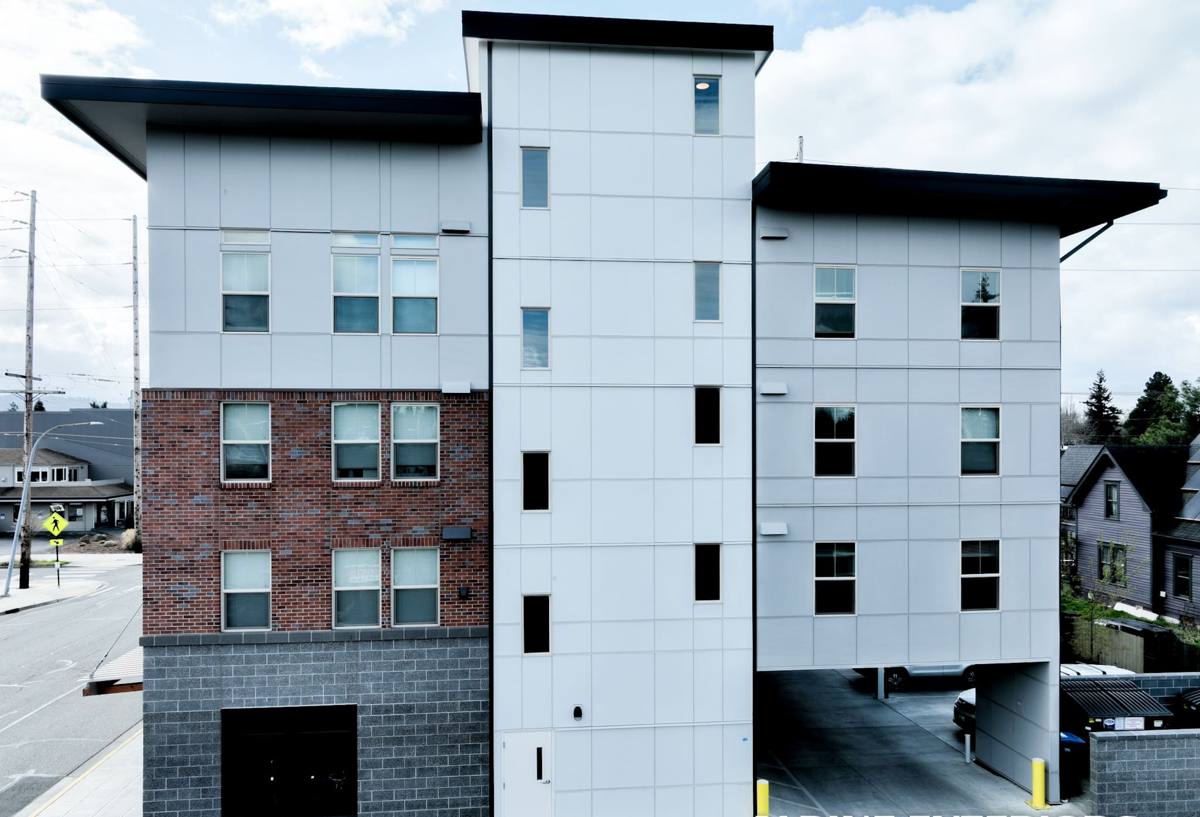
What South Hill Homes Are Up Against
Salt Air and Metal Fatigue
Proximity to Bellingham Bay means airborne salt settles on and around window components. Over time it accelerates corrosion on hardware, hinges, and some aluminum components, and it can degrade certain sealants faster than manufacturers' general climate ratings assume. Window hardware and finishes suited for coastal exposure hold up noticeably better here than standard interior-grade parts.
Driving Rain
Bellingham's storms frequently come with real wind behind them, and South Hill's elevation and orientation mean some walls take rain almost horizontally. This is a flashing and installation problem as much as a window problem — even a well-built window will leak if the water management around it wasn't detailed correctly. We pay close attention to how water is directed away from the opening, not just how the window looks once it's in.
Moss Season
Whatcom County's long wet season keeps moss and algae active on north-facing and shaded surfaces for much of the year. Around windows, that moisture holds against sills, trim, and caulking, which shortens the life of exterior wood and can hide slow leaks until they've already caused damage. Materials and details that shed water quickly and dry out between storms matter more here than in drier parts of the state.
Signs a South Hill Home Actually Needs Replacement (Not Just a Repair)
- Condensation or fogging between the panes of a double-pane window — the seal has failed and can't be repaired
- Soft, spongy, or discolored wood at the sill or bottom corners of the frame
- Windows that are difficult to open, close, or lock, especially after damp weather
- Visible gaps, drafts, or daylight around the frame when the window is closed
- Noticeable cold spots near windows in winter, or a spike in heating costs
- Peeling paint or bubbling finish concentrated around the window opening rather than the wider wall
- Persistent moss or dark staining on the sill or exterior trim that keeps coming back after cleaning
If you're only seeing one or two of these, a repair may still make sense. If several show up on the same window, or the frame itself has started to deteriorate, replacement is usually the more honest recommendation — repeated patching on a failing frame rarely pencils out over time.
What a Correct Window Replacement Involves
A window replacement is really three jobs stacked together: removing the old unit without damaging the surrounding structure, correcting the water management around the opening, and installing and sealing the new window so it performs as designed. Skipping or rushing any one of those steps is how call-backs happen.
1. Removal and Inspection
Once the old window is out, we check the framing, sill, and sheathing underneath for hidden rot or moisture damage — something that's common on older South Hill homes where a window has been slowly leaking for years without an obvious interior sign. Any damaged material gets addressed before the new window goes in, not covered over.
2. Flashing and Water Management
This is the step that matters most for driving-rain exposure. Proper flashing tape, sill pans, and a correctly lapped weather-resistive barrier direct water back out of the wall assembly instead of letting it collect around the new frame. This part of the job is invisible once finished, but it's the single biggest factor in whether a window stays dry for the next twenty years.
3. Setting, Shimming, and Sealing
The window has to be plumb, level, and square, shimmed correctly so it isn't stressed in the frame, and sealed with the right materials on both the interior and exterior — not just caulked shut and left. A window that's slightly out of square will bind, leak, or fail its seals early regardless of how good the unit itself is.
4. Finish and Cleanup
Interior and exterior trim is finished to match the home, hardware is tested, and the work area is cleaned up before we walk you through the finished job.
Frame Material: What Holds Up on South Hill
| Frame Type | Salt Air / Coastal Exposure | Maintenance | Typical Fit |
|---|---|---|---|
| Vinyl | Good — won't corrode, minimal metal hardware exposure | Low | Most common choice, good value |
| Fiberglass | Very good — stable in temperature swings, resists moisture-driven warping | Low | Good for exposed elevations facing the bay |
| Wood (clad exterior) | Fair — needs a well-maintained exterior cladding to protect the wood core | Higher | Character homes wanting a traditional wood interior look |
| Aluminum | Weaker in salt air unless specifically coated — prone to corrosion at hardware and joints over time | Moderate | We generally steer clients away from bare aluminum on bay-facing walls |
We're not tied to one brand or material — the right call depends on the home's exposure, its architectural style, and your budget. On elevations that catch the brunt of storms off the bay, we lean toward vinyl or fiberglass with coastal-rated hardware over standard aluminum, simply because the maintenance burden and corrosion risk over time make it a harder product to stand behind long-term.
Cost Factors for South Hill Window Replacement
Pricing varies by window size, frame material, glass package, and how much correction the existing opening needs — a straightforward swap into a sound frame costs less than a job where rot repair or resizing is involved. Rather than quote a number that doesn't reflect your specific home, we walk the job in person and give you a written estimate broken down by window, so you can see exactly what you're paying for and where.
- Number of windows and their size/type (standard double-hung vs. large picture windows vs. custom shapes)
- Frame material selected (vinyl, fiberglass, or clad wood)
- Glass package — standard double-pane vs. upgraded low-E or coastal-rated glazing
- Condition of the existing framing and sill — any hidden rot adds time and material
- Trim and finish work needed to match the home's existing interior and exterior details
- Access — second-story or hard-to-reach openings can add labor time
Why a Crew That Already Works South Hill Matters
South Hill's housing stock is a genuine mix — older homes with original wood windows and character trim sitting next to newer construction, all under the same bay-facing weather. A crew that already works this neighborhood knows which details tend to fail first on which era of home, how the elevation and orientation of a given block typically takes weather, and how to match trim and finish on a house where the original materials may not be a current catalog item anymore. That familiarity shows up in fewer surprises mid-job and a finished product that actually matches the house it's on.
It also means we're not guessing about what "coastal exposure" means in the abstract — it's the actual conditions we're building for on every job in this area, storm season after storm season.
Our Process, Start to Finish
- Free in-person estimate — we walk the property, look at each window in question, and note any signs of hidden damage before quoting
- Written, itemized proposal — window by window, material and glass options explained honestly, no pressure to upsize the scope
- Scheduling — we work around weather windows where possible, since installation quality depends on dry conditions during the opening
- Removal, repair, and flashing — old units out, any hidden damage addressed, water management corrected before the new window goes in
- Installation and sealing — set, shimmed, sealed, and tested
- Finish work and walkthrough — trim completed, hardware tested, and we go over care and warranty details with you directly
Maintaining New Windows Through Whatcom County's Wet Season
Even a well-installed window benefits from basic upkeep in this climate. A simple seasonal check — clearing debris from sills and weep holes, rinsing off salt residue after storms, and keeping an eye out for early moss growth on trim — goes a long way toward getting the full lifespan out of a new installation. We're happy to walk you through what to watch for on your specific windows once the job is done.
If your South Hill home has windows showing any of the signs above, or you're just ready to stop fighting drafts and fogged glass through another Bellingham winter, we're glad to come take a look. The estimate is free, there's no pressure to sign anything on the spot, and you'll get a straight answer about whether repair or replacement makes more sense for your situation — just fill out the form below to get started.