 Bellingham Roofing
 Sunnyland's Roofs Work Harder Than Most People Realize
Sunnyland is one of Bellingham's older residential neighborhoods, with a mix of mid-century homes and newer infill construction sitting under a lot of mature tree cover. That combination — established trees, proximity to Bellingham Bay, and Whatcom County's wet marine climate — puts a specific kind of stress on a roof. It isn't one big dramatic event that wears a roof out here. It's the slow, steady combination of salt-laden air, driving rain that comes in sideways during winter storms, and a moss season that can run eight months or longer in shaded, tree-covered lots.
When we install a new roof in Sunnyland, we're not just matching a shingle color to a house. We're building an assembly that has to shed water fast, resist moss colonization, and hold up under repeated wet-dry cycling without the fasteners, flashing, or underlayment failing early. That's a different design conversation than a roof going on a house in a dry climate, and it's worth understanding before you sign off on materials or a scope of work.
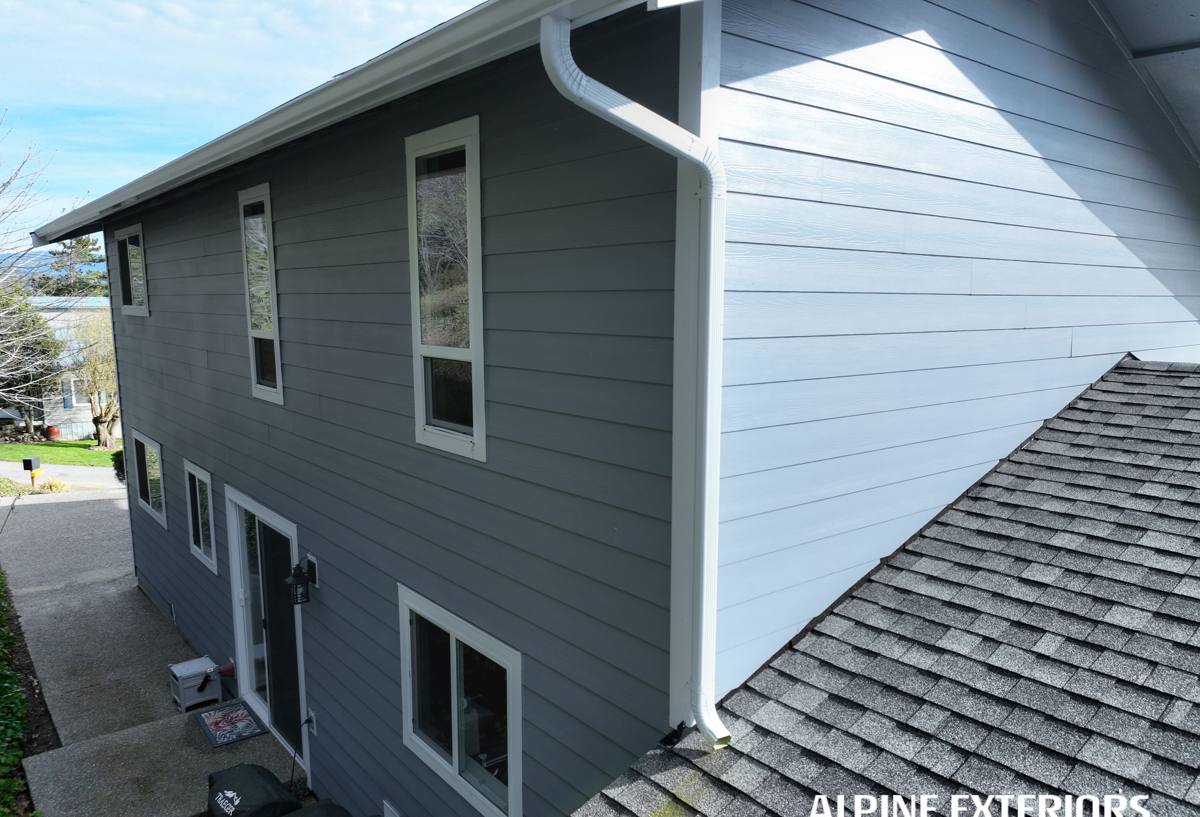
What "New Roof Installation" Actually Means
A full roof replacement is more than swapping old shingles for new ones. Done correctly, it's a layered system, and each layer has a job:
- Tear-off: Complete removal of the old roofing material down to the deck, so we can see what's actually underneath instead of guessing.
- Deck inspection and repair: Plywood or plank decking gets checked for soft spots, delamination, and water staining — common in this climate wherever a roof has been leaking slowly for years without anyone noticing.
- Underlayment: A synthetic or felt underlayment goes down as the roof's real waterproof layer, with self-adhered ice-and-water membrane at eaves, valleys, and other vulnerable spots.
- Flashing: New metal flashing at chimneys, walls, skylights, and roof-to-roof transitions — flashing failure, not shingle failure, is one of the most common causes of leaks we find on older Bellingham homes.
- Ventilation: Intake and exhaust venting sized correctly for the attic, so moisture from inside the house doesn't get trapped against the underside of the new roof.
- Roofing material installation: The visible layer — shingles, metal, or another material — installed to manufacturer spec and local code.
Skip or shortcut any one of those steps and the finished roof might look fine for a year or two before the real problems show up.
Why Tear-Off Matters More Here Than in Drier Climates
Some contractors will offer to install a new layer of shingles directly over an old one to save time and money. In a marine climate like Bellingham's, we don't recommend it for a full replacement. Trapped moisture between layers has nowhere to go, and it accelerates deck rot in a region that already sees a lot of rain days per year. A full tear-off lets us inspect the deck, catch problems while they're still small, and start the new roof with a clean, dry, fully ventilated base.
Choosing Materials That Actually Suit Sunnyland's Climate
There's no single "best" roofing material — there's a best material for this house, this exposure, and this budget. Here's how the common options stack up against Whatcom County conditions:
| Material | How It Handles Salt Air & Rain | Moss Resistance | Typical Lifespan |
|---|---|---|---|
| Architectural asphalt shingle | Good, with proper flashing and underlayment | Moderate — benefits from algae-resistant granules and periodic cleaning | 25–30 years |
| Standing seam metal | Excellent shedding, sheds moss growth well due to smooth slick surface | High | 40–50+ years |
| Synthetic/composite shingle | Very good — engineered to resist moisture absorption | Moderate to high, depending on product | 30–50 years |
| Cedar shake | Requires diligent maintenance in wet, shaded lots | Low without regular treatment and cleaning | 20–30 years with upkeep |
We're honest with Sunnyland homeowners about cedar in particular: it can look great, but on a shaded, moisture-heavy lot it needs a real maintenance commitment — regular cleaning, moss treatment, and eventual re-treating — or it will age faster than the manufacturer's stated lifespan. That's not a knock on the material itself; it's a maintenance-burden trade-off worth knowing before you choose it, not after.
Ventilation and Moisture Control Aren't Optional Extras
In a climate where the roof rarely gets a long stretch to fully dry out, ventilation is one of the highest-value parts of the whole installation. A well-vented attic keeps the underside of the roof deck closer to outdoor temperature, which reduces condensation, slows moss growth from the inside out, and helps shingles and underlayment last their full rated life. Poor ventilation is one of the most common reasons we see premature roof failure on older homes in this area — not bad shingles, but a hot, moist attic cooking the deck from below while rain and moss work on it from above.
We also pay close attention to valleys, eaves, and any spot where two roof planes meet. These are the places driving rain finds a way in, and they're the first places moss tends to establish because debris and moisture collect there. Correct flashing detail and ice-and-water membrane at these locations matter more than the shingle brand printed on the wrapper.
Our Installation Process
- On-site inspection and estimate: We walk the roof and attic, check the deck, ventilation, and flashing condition, and give you a written scope — not a guess from the ground.
- Material selection: We go over the trade-offs above based on your home's exposure, tree cover, and budget, without pushing a single "house brand."
- Scheduling around Bellingham weather: We plan installation windows with the region's rain patterns in mind and stage material delivery so exposed decking isn't left uncovered longer than necessary.
- Tear-off and deck repair: Old material comes off, the deck gets inspected, and any soft or rotted sections are replaced before anything new goes down.
- Underlayment, flashing, and ventilation install: The waterproofing and airflow system goes in first, correctly, before the visible roofing layer.
- Roofing material installation: Installed to manufacturer specification, with attention to fastening patterns and exposure rates suited to wind and rain.
- Final walkthrough: We review the finished roof, cleanup, and warranty paperwork with you before we consider the job done.
Why Local Experience in Sunnyland Actually Matters
Roofing crews that mostly work drier inland climates tend to under-spec ventilation and underlayment because they've never had to fight moss or sustained coastal rain the way we do here. A crew that regularly works Sunnyland and the surrounding Bellingham neighborhoods knows which tree-shaded lots need extra attention to moss-prone valleys, which older homes tend to have undersized attic ventilation from when they were originally built, and how Whatcom County's permitting and inspection process actually works — so there are no surprises mid-project.
That local familiarity also means we're not learning on your roof. We've seen how the specific combination of salt air, rain, and shade in this part of Bellingham plays out over years, not just at the moment of installation.
Signs a Sunnyland Roof Needs Replacement, Not Another Repair
Repairs make sense for isolated problems. A full new roof installation makes more sense when you're seeing several of these at once:
- Granule loss heavy enough that shingles look bald or patchy in multiple areas
- Curling, cracking, or cupped shingles across large sections of the roof
- Moss or algae growth that keeps returning within months of cleaning
- Soft spots or noticeable sagging when walking the roof or viewing the deck from the attic
- Daylight visible through the roof deck from inside the attic
- Repeated leaks in different locations rather than one recurring spot
- A roof already at or past its material's expected lifespan
What Drives the Cost of a New Roof Installation
Every roof is priced individually after inspection, but the main cost drivers are consistent. Understanding them helps you compare estimates apples-to-apples:
| Factor | Why It Matters |
|---|---|
| Roof size and pitch | Steeper roofs take longer to work safely and use more material per square |
| Deck condition | Rotted or delaminated decking found during tear-off adds repair cost, but skipping it costs far more later |
| Material choice | Asphalt, synthetic, and metal roofing carry different material and labor costs |
| Number of penetrations | Chimneys, skylights, and vents each need custom flashing work |
| Access and tree cover | Mature trees common in Sunnyland can affect staging, cleanup, and safety setup |
| Ventilation upgrades | Older homes often need added intake or exhaust venting to meet current standards |
We'd rather walk you through these factors on your specific roof than quote a number sight unseen — it's the only way the estimate actually holds up once work begins.
Ready When You Are
If your Sunnyland home's roof is showing its age, or you just want an honest opinion on whether repair or replacement makes more sense, we're glad to take a look. Use the form below to request a free, no-pressure estimate — we'll inspect the roof, explain what we find in plain terms, and give you options, not a sales pitch.