 Bellingham Roofing
 Windows Built for Life Near the Water
Birch Bay sits right up against the water, and that changes what a window has to deal with day to day. Homes a mile inland in Bellingham catch plenty of rain and grey months, but Birch Bay properties also get salt-laden air blowing off the water, more direct wind exposure, and the kind of driving rain that finds every weak seam in a window frame. Add in Whatcom County's long moss and mildew season, and you've got a climate that's genuinely harder on window materials, seals, and finishes than most manufacturers assume when they write their warranty language.
That's the gap we work in. Energy-efficient windows are marketed the same way everywhere in the country, but a window that performs well in a dry inland climate can underperform fast on the Whatcom County coastline if it isn't spec'd and installed with salt air, wind-driven moisture, and near-constant humidity in mind.
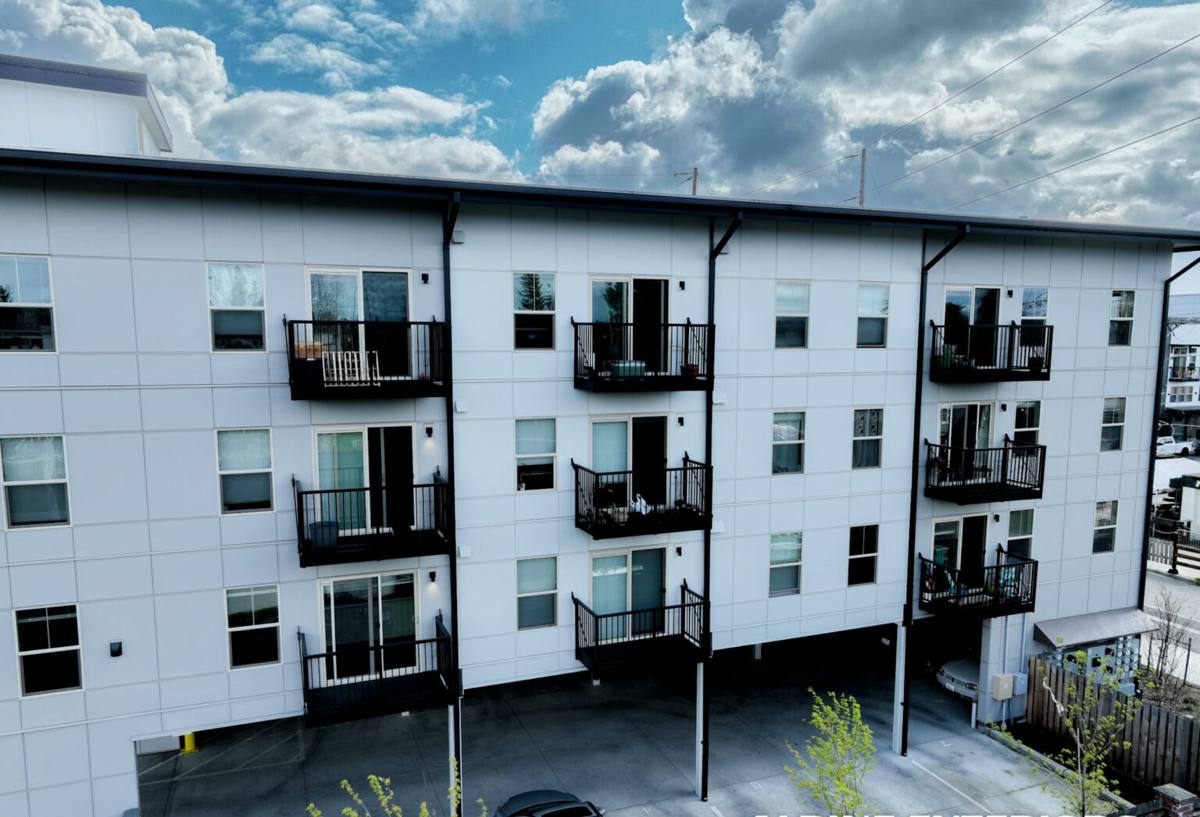
What Salt Air, Rain, and Moss Actually Do to a Window
None of this damage happens overnight. It builds up over a few seasons, which is why a lot of homeowners don't connect the dots until the window is already failing.
Salt Air
Airborne salt is corrosive to unprotected metal hardware — hinges, locks, balance systems, and some low-grade aluminum components. Over time it can pit finishes and accelerate wear on parts that are supposed to last decades. It's not usually dramatic; it just shortens the useful life of anything not built to handle a marine environment.
Driving Rain and Wind
Birch Bay's exposure means wind-driven rain hits window assemblies at angles that a lot of standard flashing and sealant details weren't designed for. When water finds its way behind trim or under a sill, it doesn't show up as a leak right away — it shows up months later as soft wood, staining, or a musty smell in the wall cavity.
Moss, Mildew, and Constant Humidity
Whatcom County's wet season runs long, and shaded, north-facing, or tree-sheltered walls stay damp for extended stretches. That moisture works into wood sills and frames that aren't properly sealed, and it feeds the moss and mildew growth that stains and slowly breaks down exterior finishes.
Signs Your Current Windows Are Losing the Fight
- Noticeable drafts near the frame, especially during windier weather
- Fogging or a permanent haze between the panes of a double-pane window (a sign the seal has failed)
- Windows that are hard to open, close, or lock — often from swollen wood or corroded hardware
- Visible moss, algae, or dark staining building up on sills and lower frames
- Condensation forming on the inside of the glass regularly, even in normal indoor humidity
- A noticeably colder wall or floor area near the window in winter
- Rising heating bills without any other obvious cause
Any one of these on its own isn't necessarily an emergency. Several of them together, especially on a home's water-facing or weather-facing side, usually means the windows are past the point where caulk and weatherstripping will fix the problem.
What "Energy-Efficient" Actually Means
The term gets used loosely, but there are a handful of real, measurable ratings that determine how a window will actually perform in Birch Bay's climate:
- U-factor — measures how well the window prevents heat from escaping. Lower is better for our cool, wet winters.
- SHGC (Solar Heat Gain Coefficient) — measures how much solar heat passes through. Less critical here than in sunnier climates, but still relevant on south- and west-facing walls.
- Air infiltration rate — how much air leaks through the assembly when closed and locked. This one matters a lot on wind-exposed, water-facing elevations.
- Condensation resistance — how well the window resists interior fogging in cold, humid conditions, which is a common complaint in this climate.
A window can carry an efficient-sounding label and still perform poorly if the frame material, glass package, and installation aren't matched to a coastal, high-moisture environment. That match is where most of the real difference gets made.
Frame Material Trade-Offs for a Coastal Whatcom County Home
| Frame Material | Salt Air / Moisture Behavior | Maintenance | Our Take |
|---|---|---|---|
| Vinyl | Won't corrode; performs consistently in salt air | Low — occasional cleaning | A solid, cost-effective default for most Birch Bay homes |
| Fiberglass | Excellent — very stable in temperature and moisture swings | Low | Strong choice for exposed, water-facing elevations |
| Aluminum-clad wood | Good exterior protection if the cladding is intact and well-sealed | Moderate — depends on seal integrity over time | Works well when installed and flashed correctly; we're careful about seam quality |
| Solid wood | Attractive but vulnerable to prolonged moisture and moss without diligent upkeep | High — regular painting/sealing needed | We'll install it if that's your preference, but we're upfront about the maintenance commitment near the water |
| Bare aluminum | Prone to pitting and corrosion in salt air over time | Moderate | Not our first recommendation for water-facing walls in this area |
None of these are "wrong" choices — they're trade-offs. Our job is to walk through what each one means for your specific exposure, your maintenance appetite, and your budget, rather than push one product because it's easier to sell.
Why the Installation Matters More Than the Brand
A high-end energy-efficient window installed with sloppy flashing will leak and underperform. A mid-range window installed correctly will often outlast it. This is the part of the job that doesn't show up on a spec sheet, but it's where most window failures near the water actually originate.
What a Correct Installation Includes
- Removing the old window and inspecting the rough opening for hidden rot, moisture damage, or framing issues before anything new goes in
- Repairing or rebuilding any compromised framing rather than sealing over it
- Installing proper flashing that directs water out and away from the wall assembly, layered correctly with the house wrap or building paper
- Using sealants and tapes rated for exterior, marine-climate exposure — not general-purpose caulk
- Setting the window level, plumb, and square, with even shimming so the frame isn't under stress
- Insulating the gap between the window and framing properly, without overpacking it in a way that bows the frame
- Finishing exterior trim and sealant lines so water sheds away from every joint
Skip or rush any one of these steps and you can end up with a window that looks fine but fails from behind the wall two or three winters later — which is exactly the kind of hidden damage that's expensive to fix once it's found.
Our Process, Start to Finish
- Free on-site assessment. We look at each window's exposure, current condition, and the specific conditions of your home's location — a shaded, north-facing wall gets a different conversation than a wide-open water view.
- Honest recommendations. We'll walk through frame material and glass package options with the trade-offs laid out plainly, not just a single upsell option.
- Clear, written estimate. No vague allowances — you'll know what's included before any work starts.
- Careful removal and opening inspection. We don't install over hidden problems; if we find rot or moisture damage, we'll show you and talk through the fix before proceeding.
- Installation with proper flashing and sealing. Built for wind-driven rain and salt exposure, not just a standard inland install.
- Final check and walkthrough. Every window is tested for smooth operation, a tight seal, and a clean finish before we consider the job done.
- Cleanup. Old windows, packaging, and debris hauled off — we don't leave a mess behind.
Glass Packages Worth Considering in This Climate
Beyond the frame, the glass package itself makes a real difference in a wet, moderate-temperature climate like ours:
- Low-E coatings reduce heat loss through the glass and are worthwhile on nearly every window in this climate.
- Argon or krypton gas fills between panes improve insulation value with minimal added cost.
- Double-pane is the standard baseline for energy efficiency and handles our climate well for most applications.
- Triple-pane adds meaningful sound dampening and insulation value, which can be worth the added cost on wind- and wave-exposed elevations or busier roads, though it's not always necessary on every wall of a home.
What Affects the Cost of a Window Project
We don't publish flat pricing because two "window replacement" jobs can be very different projects. The honest answer is that cost depends on several factors we'll walk through during your estimate:
| Factor | Why It Matters |
|---|---|
| Number and size of windows | The most direct driver of overall project cost |
| Frame material selected | Vinyl, fiberglass, and clad-wood options carry different price points |
| Condition of the existing opening | Hidden rot or water damage found during removal adds repair work |
| Glass package | Low-E, gas fills, and double vs. triple-pane all shift the price |
| Access and exposure | Upper stories, tight side yards, or heavy wind exposure can affect labor |
| New construction vs. replacement | Retrofits into existing openings are typically less involved than full frame-out replacements |
We'll give you real numbers for your home during the estimate — not a ballpark pulled from a national average that doesn't account for coastal Whatcom County conditions.
Why a Crew That Already Works in Birch Bay Matters
General contractors from outside the area can install a window. What's harder to shortcut is knowing which walls in a coastal Whatcom County home take the worst weather, which framing details tend to hide moisture problems in homes of this age and style, and how to flash and seal a window so it actually holds up through a full wet season rather than just looking good on installation day. That knowledge comes from doing the work here repeatedly, not from a manufacturer's install guide written for a national average climate.
A local crew is also easier to reach if something comes up after the job — a question about a warranty, a hardware adjustment, or a follow-up visit. We're not driving in from out of the area for a one-time job; we're working in this community regularly.
What to Look for When Vetting Any Window Contractor
- Proper Washington State contractor licensing and insurance
- A written estimate that spells out materials, scope, and what's included
- A clear explanation of flashing and sealing methods, not just the window brand
- Willingness to inspect and address rough-opening condition, not just install over what's there
- Local references or a track record of work in coastal or marine-exposed conditions
- A straight answer about maintenance expectations for the materials you choose
Get a Free, No-Pressure Estimate
If your windows are drafty, fogged, sticking, or just showing their age against Birch Bay's weather, it's worth having someone take a real look before winter puts more strain on them. We'll assess your home's exposure, walk you through honest options, and give you a clear, written estimate — no pressure, no pushy sales pitch. Fill out the form below to get started.