 Bellingham Roofing
 Windows Built for Blaine's Marine Climate
Blaine sits right on the water, tucked against Semiahmoo Bay and Drayton Harbor at the top of Whatcom County. That location is what makes the town beautiful, and it's also what makes window replacement here a different job than it is twenty miles inland. Homes in Blaine take on salt-laden air, steady wind off the water, and driving rain that comes in sideways during winter storms. Add in the long stretch of damp, low-sun months that feed moss and mildew on every north-facing surface, and you have a climate that is genuinely hard on window frames, seals, and glass coatings.
Energy-efficient windows are marketed everywhere, but "efficient" means something specific in a coastal Whatcom County setting. It's not just about keeping heat in during a cold snap. It's about keeping wind-driven moisture out, resisting corrosion from salt air, and holding a tight seal through repeated wet-dry, warm-cool cycles year after year. A window that performs great in a lab test but wasn't built or installed with this exposure in mind will start failing at the seals and hardware well before its rated lifespan.
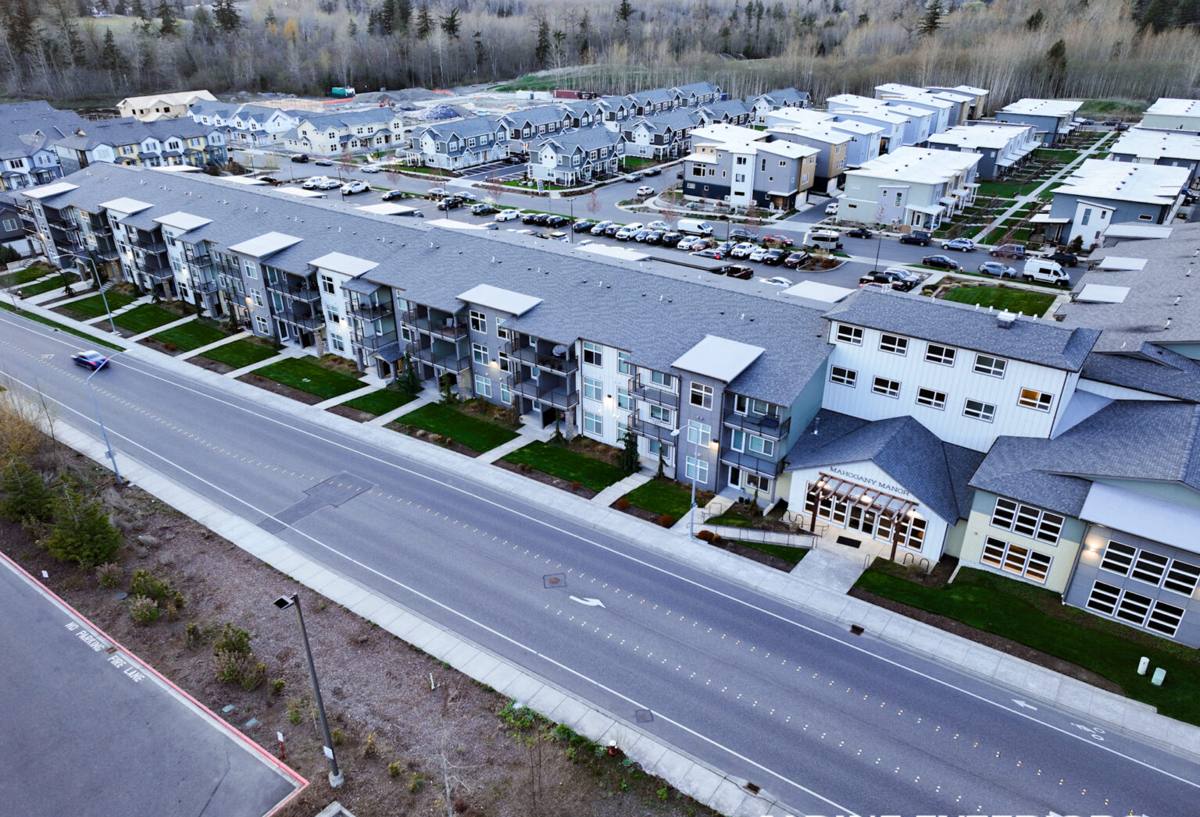
What Salt Air and Coastal Wind Actually Do to Windows
Corrosion at the Hardware
Salt-laden air accelerates corrosion on anything metal — hinges, locks, balance systems, and screws. Standard hardware finishes that hold up fine inland can pit and seize within a few years this close to the water. This is why hardware grade matters as much as the frame material itself when we spec a window for a Blaine home.
Wind-Driven Rain Infiltration
Rain that falls straight down is easy to shed. Rain pushed sideways by sustained wind off the bay finds every weak point in a window's flashing and seal. Most of the "leaky window" calls we see in this area aren't glass failures — they're water finding a path around the frame because the flashing or sealant wasn't detailed for wind-driven exposure in the first place.
Condensation and Moss Season
Whatcom County's long stretch of cool, damp, low-light months keeps humidity high and surfaces wet for extended periods. Poorly insulated frames or single-pane glass will fog and sweat on the inside, feeding mold at the sill. On the exterior, north- and shade-facing windows collect the same moss and green growth you see on roofs and siding if the frame material and finish don't shed moisture well.
What "Energy-Efficient" Should Mean for a Blaine Home
A handful of numbers actually matter, and they're worth understanding before you shop:
- U-factor — measures how well the window resists heat transfer. Lower is better for our cool, marine climate where heat loss is the bigger year-round concern.
- SHGC (Solar Heat Gain Coefficient) — measures how much solar heat passes through the glass. Bellingham-area homes get limited direct sun for much of the year, so this matters less here than in sunnier climates, but it still factors into south- and west-facing rooms.
- Air infiltration rating — measures how much air leaks through the assembly under pressure. In a windy waterfront location like Blaine, this rating deserves as much attention as U-factor, because a drafty seal undoes the benefit of good glass fast.
- Condensation resistance — a measure of how well the window resists interior fogging in cold, humid conditions. Directly relevant to our long wet season.
Dual-pane, low-E glass is the standard baseline for this climate and is sufficient for the vast majority of homes. Triple-pane adds meaningful insulation and sound dampening — worth considering on a wind-exposed elevation or a room that's always cold — but it adds weight and cost, so we treat it as a targeted upgrade rather than a blanket recommendation.
Frame Materials: What Holds Up in This Climate
| Frame Material | Salt Air / Moisture Performance | Maintenance | Relative Cost |
|---|---|---|---|
| Vinyl | Good — won't rust or rot, but lower-grade vinyl can warp under repeated wet-cold cycling | Low | Low–Mid |
| Fiberglass | Excellent — dimensionally stable, resists moisture and corrosion better than vinyl | Low | Mid–High |
| Aluminum-clad wood | Good exterior protection, but any breach in the cladding exposes wood to rot over time | Moderate | High |
| Bare wood | Poor for direct marine exposure without diligent upkeep | High | Mid–High |
We don't install bare wood on wind- and salt-exposed elevations in this area as a matter of professional standard — it simply demands more upkeep than most homeowners want to keep pace with here, and the failure mode (rot at the sill and corners) is expensive to fix once it starts. Vinyl and fiberglass are our default recommendations for most Blaine homes, with fiberglass earning its higher cost on the most exposed, water-facing walls.
Signs Your Current Windows Are Losing the Fight
- Fogging or moisture trapped between panes — the seal has failed and the insulating gas is gone
- Cold drafts you can feel with a hand near the frame on a windy day
- Sills that stay damp or show soft, discolored wood after storms
- Hardware that's stiff, pitted, or won't lock smoothly anymore
- Visible moss, algae, or black streaking building up on the frame or sill
- A noticeable jump in heating costs with no other explanation
- Paint or finish peeling and bubbling near the frame edges
Any one of these on its own might just need a repair or a re-seal. Several at once, especially on the same elevation, usually means the window assembly itself has reached the end of its useful life.
Why Installation Matters More Than the Window Itself
A high-end window installed poorly will leak. A mid-grade window installed correctly, with proper flashing integration into the wall's water-resistive barrier, will outperform it. This is the part of the job that's easy to shortcut and hard to inspect after the fact, which is exactly why it deserves the most attention on a wind-exposed, rain-heavy site like Blaine.
What a Correct Installation Includes
- Removing the old unit and inspecting the rough opening for hidden rot or moisture damage before anything new goes in
- Repairing or rebuilding any compromised framing or sheathing — never installing a new window over a damaged opening
- Integrating window flashing with the existing weather-resistive barrier so water is directed out, not trapped behind the siding
- Setting the unit level, plumb, and square, with proper shimming so the sash operates smoothly for years
- Sealing with products rated for the exposure, including backer rod and sealant detailing at the sill where wind-driven rain hits hardest
- Insulating the gap between frame and rough opening correctly — not overpacked, not left empty
- Finishing interior and exterior trim and confirming smooth operation before we consider the job done
Our Process, Start to Finish
We start with an on-site walkthrough of every window being considered, checking not just the glass but the condition of the framing, sill, and existing flashing. From there we talk through frame material, glass package, and any elevation-specific decisions — for example, upgrading hardware grade or glass performance on the walls that take the most wind and rain. You get a clear, written estimate before any work begins, with no pressure to upsize the scope beyond what your home actually needs.
On installation day, we protect your interior and landscaping, remove the old units carefully, and address any hidden framing issues we find before installing the new windows. We test operation and check seals before we consider a window finished, and we clean up thoroughly at the end of each day — this is your home, not a job site you have to live around.
Why a Bellingham-Based Crew That Works Blaine Regularly Matters
Blaine is a smaller market than Bellingham, and it's common for homeowners here to get quotes from contractors who rarely work this far north or this close to the water. That gap shows up in the details: a crew unfamiliar with Blaine's wind exposure may under-spec hardware or skip flashing details that matter here but wouldn't on a more sheltered inland property. A crew that already services this stretch of Whatcom County knows what actually fails first on a waterfront home and specs accordingly, without guesswork or upselling.
Being based in Bellingham also means we're a short drive away for a warranty check, an adjustment, or a follow-up question — not a company that did one job in Blaine and moved on to the next region.
Living With Your New Windows Here
Even good windows need a little upkeep in this climate. Rinse salt residue and grime off frames and glass a couple of times a year, especially after winter storm season. Keep weep holes and drainage tracks clear of debris and moss so water can exit the frame as designed. Check exterior sealant annually for cracking or gaps, particularly on the walls that catch the most wind and rain. None of this is heavy maintenance — it's the same kind of seasonal attention most Whatcom County homes already give their roofs and siding, and it goes a long way toward getting the full service life out of a new window investment.
If your Blaine home has windows that are drafty, fogged, or showing wear from the weather off the water, we're happy to take a look. We offer free, no-pressure estimates — we'll walk your home, tell you honestly what needs replacing and what doesn't, and give you clear options with no obligation. Just fill out the form below to get started.