 Bellingham Roofing
 Asphalt Shingle Roofing Built for Columbia's Weather
The Columbia neighborhood sits close enough to Bellingham Bay that its roofs deal with a specific combination of stress most inland homes don't: salt-laden air, wind-driven rain coming off the water, and a moss season that can run nine or ten months out of the year in shaded, moisture-heavy Whatcom County. Asphalt shingle roofing is still the right choice for the large majority of homes here — it's durable, cost-effective, and easy to repair in sections — but only when it's specified and installed with this particular exposure in mind. A shingle roof designed for a dry inland climate and installed the same way in Columbia will underperform, usually starting with granule loss, moss intrusion at the edges, and premature flashing failure.
This page focuses specifically on asphalt shingle roofing for homes in and around Columbia — what the climate demands, what a correct installation actually involves, and how our process is built around the conditions this neighborhood sees every year.
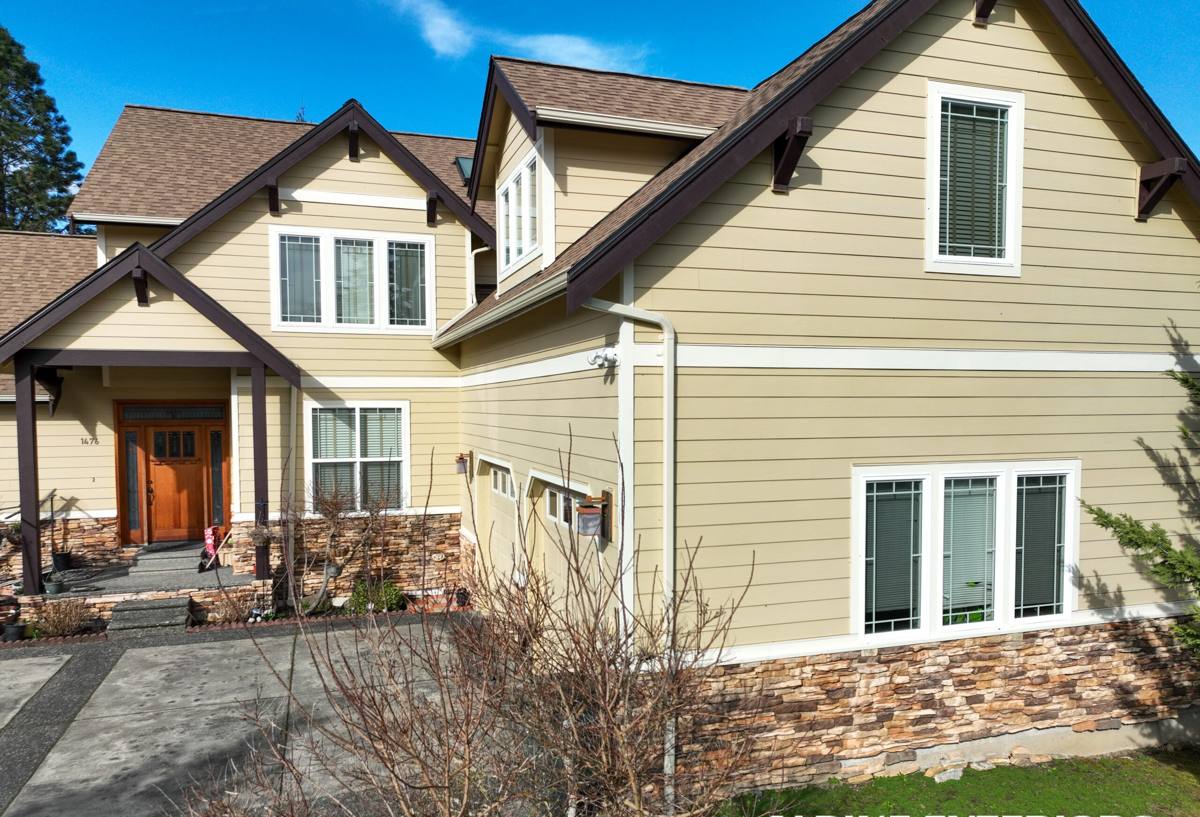
What Columbia's Climate Actually Does to a Roof
Salt Air and Corrosion
Homes within a mile or two of the bay get a steady, low-grade dose of salt air. Over years, this accelerates corrosion on exposed metal — flashing, nail heads, vent stacks, and gutter hardware — well before the shingles themselves wear out. A roof that looks fine from the ground can have flashing that's already thinning at the seams.
Driving Rain
Storms coming off the water tend to push rain sideways rather than straight down, which puts real pressure on anything that isn't sealed correctly: shingle laps, valley metal, chimney flashing, and skylight curbs. A roof that would hold up fine under vertical rainfall in a drier region can leak under Columbia's wind-driven storms if those details are cut short.
Moss and Shade
Mature tree cover and the region's damp, mild winters mean moss and algae have a long growing season here. Left unmanaged, moss lifts shingle edges, holds moisture against the roof deck, and shortens the life of the roof by years — often long before the shingles themselves are actually worn out.
What a Correctly Built Shingle Roof Needs Here
None of this requires exotic materials — it requires the standard components of a good roof to be specified correctly for this exposure, not value-engineered down to the minimum.
- Ice and water shield at eaves, valleys, and around penetrations — this is the backup layer that keeps wind-driven rain out even if a shingle lifts.
- Synthetic underlayment rated for the full field of the roof, not just the vulnerable spots, since coastal wind can drive moisture further under the shingle field than typical.
- Corrosion-resistant flashing and fasteners — stainless or heavier-gauge coated metal instead of standard galvanized, especially within closer range of the water.
- Balanced attic ventilation — intake at the eaves and exhaust at the ridge, sized to the attic volume, so moist air isn't trapped against the underside of the deck.
- Algae-resistant shingle granules on the product itself, which slow (not eliminate) the black streaking common on shaded, damp roofs.
- Correct nailing pattern — proper nail count and placement per shingle, which matters more for wind resistance than the shingle's advertised wind rating.
Our Installation Process
The steps aren't unusual, but the level of attention at each one is what separates a roof that holds up in Columbia's weather from one that doesn't.
- Inspection and scope. We check the existing roof, decking condition, ventilation, and flashing details before quoting anything, so the estimate reflects what your roof actually needs rather than a generic package.
- Tear-off and deck check. Full removal of old roofing so we can see the deck directly. Any soft or water-damaged sheathing gets replaced — this is not an area to skip on a roof this close to the water.
- Underlayment and ice/water shield. Installed to cover eaves, valleys, and penetrations at minimum, with full synthetic underlayment across the field.
- Flashing. New flashing at all valleys, chimneys, walls, and vent penetrations — reused flashing is a common shortcut and a common source of the leaks we get called out to fix later.
- Shingle installation. Installed to manufacturer nailing specs, with attention to exposure and alignment so the roof performs at its rated wind resistance, not just looks correct.
- Ventilation check. Intake and exhaust vents installed or corrected as needed so the attic can actually move air.
- Cleanup and walkthrough. Magnetic sweep for nails, full site cleanup, and a walkthrough so you know exactly what was done and what to watch for going forward.
Choosing the Right Shingle for a Columbia Roof
Most manufacturers offer several shingle tiers, and the right one for this neighborhood usually isn't the cheapest option. Here's how the common tiers stack up for this specific climate:
| Shingle Type | Wind Performance | Moss/Algae Resistance | Typical Lifespan Here |
|---|---|---|---|
| 3-tab (standard) | Lower wind rating | Basic algae-resistant granules, if any | Shorter end of the range in this climate |
| Architectural (laminate) | Higher wind rating, better seal-down | Algae-resistant granules standard on most lines | Mid-to-long range, our default recommendation for this area |
| Impact-resistant / premium laminate | Highest wind rating, thicker profile | Best available granule technology | Longest range, higher upfront cost |
For most homes in Columbia, a mid-to-upper architectural shingle is the practical sweet spot — meaningfully better wind and moisture performance than 3-tab, without paying premium-tier pricing for a level of impact resistance most homes here don't need.
Managing Moss and Algae Long-Term
No shingle is moss-proof, but the right roof design and a little routine attention keep it from becoming a problem:
- Zinc or copper strips installed near the ridge let rain carry trace metal down the roof, which suppresses moss regrowth over time.
- Keep gutters and valleys clear — trapped debris holds moisture exactly where moss wants to grow.
- Where tree cover is heavy, periodic limbing back can reduce shade and debris load on the roof significantly.
- Soft-washing moss off periodically (never pressure-washing, which strips granules) extends the life of the shingles.
What Drives the Cost of a Shingle Roof in This Area
| Factor | Why It Matters Here |
|---|---|
| Roof size and pitch | Steeper pitches near the water take more labor time and safety setup |
| Number of existing layers | Tear-off of multiple old layers adds disposal and labor cost |
| Deck condition | Coastal moisture exposure means a higher chance of some sheathing replacement |
| Shingle tier selected | Architectural and premium lines cost more per square but last longer in this climate |
| Ventilation and flashing upgrades | Often needed on older Columbia homes whose original ventilation was undersized |
| Roof complexity | Valleys, dormers, and multiple penetrations all add flashing labor |
We give a firm, itemized estimate after seeing the roof in person — not a phone quote — because these factors vary enough house to house that a ballpark number isn't useful to you.
Repair or Replace? Signs to Watch For
Not every problem means a full replacement. Common signals worth a professional look:
- Repair likely: a handful of cracked or missing shingles, isolated flashing leak, minor moss buildup, one damaged valley section.
- Replacement worth considering: widespread granule loss, shingles curling or cupping across large areas, recurring leaks in different spots, visible sagging, or a roof original to a home built decades ago that's never been replaced.
If you're not sure which category your roof falls into, an honest inspection costs you nothing and tells you exactly where you stand.
Why It Matters That We Already Work in Columbia
A roofing crew that regularly works this neighborhood already knows how exposed a given block is to wind off the bay, how much moss pressure to expect based on tree cover, and which flashing and ventilation upgrades tend to be missing on older homes here. That familiarity shows up in fewer surprises during tear-off, more accurate estimates up front, and a roof that's actually built for the conditions it will face — not a generic install that happens to be located in Bellingham. It also means we're a short drive away if a storm causes an issue and you need someone out quickly, rather than waiting on a crew based elsewhere in Whatcom County.
Questions to Ask Before You Hire
- Are you licensed and insured to work in Washington State, and can you provide proof?
- Will you replace damaged decking as part of the quoted price, or is that a separate change order?
- What underlayment and ice/water shield are included, and where specifically will they be installed?
- Will flashing be replaced or reused?
- What's the manufacturer's warranty on the shingle line you're quoting, and is it enhanced by your installer certification?
- How do you handle attic ventilation if the current setup is undersized?
A contractor who answers these clearly and specifically, without vague reassurances, is worth trusting with your roof.
If your Columbia home needs a new roof, a repair, or you just want an honest read on what condition it's in, we're glad to come take a look. Use the form below to request a free, no-pressure estimate.