 Bellingham Roofing
 New Roof Installation in Sehome: What the Climate Actually Demands
Sehome is one of Bellingham's older, established in-city neighborhoods, sitting close to downtown and Western Washington University, with a mature tree canopy that shades much of the housing stock. That combination — older roofs, heavy tree cover, and proximity to Bellingham Bay — means a new roof installation here has to solve for more than a typical suburban tract home. Salt-laden air off the water, driving rain that comes in sideways during winter storms, and a moss season that runs far longer than most homeowners assume all put real, ongoing stress on a roof system. A correct installation accounts for all three from the start, not as an afterthought.
This page focuses specifically on new roof installation for homes in and around Sehome — not a general overview of roofing services. If you're weighing whether your roof needs full replacement, what that job should actually include, and why local installation experience matters here, this is written for you.
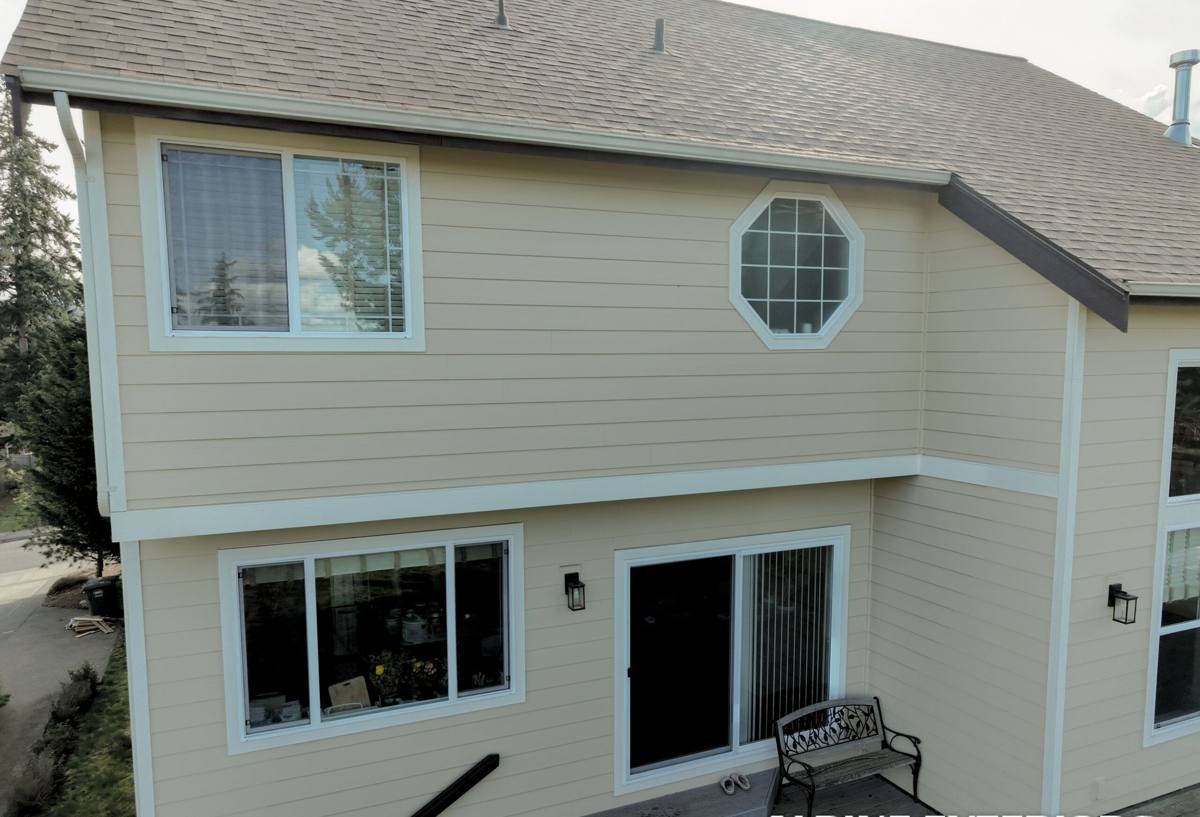
How Salt Air and Driving Rain Wear Down a Roof
Wind-Driven Rain and Roof Laps
Whatcom County's winter storms don't just drop rain straight down — they push it sideways and upward under wind gusts, especially on exposed slopes and near roof edges. Ordinary shingle installation assumes gravity does most of the work moving water off the roof. Wind-driven rain defeats that assumption by forcing water up and under shingle laps, around vent penetrations, and along flashing edges that weren't sealed with that scenario in mind. Over years, this is how homes end up with slow leaks that show up as ceiling stains long before anyone sees a shingle problem from the ground.
Salt Air and Metal Components
Every roof has exposed metal — flashing, drip edge, fasteners, vent caps, and in some cases the roofing material itself. Salt air accelerates corrosion on unprotected or lower-grade metal, and homes closer to the bay feel this faster than homes further inland. It's not usually dramatic; it's a slow degradation of the metal components that are supposed to keep water out at every seam and penetration. When those fail quietly, the leak shows up somewhere else entirely, which is why flashing material and fastener quality matter as much as the shingle brand on the invoice.
Why Moss Season Lasts Longer in Bellingham Than Most Homeowners Realize
Moss needs shade, moisture, and cool temperatures to establish itself, and Whatcom County offers all three for most of the year. In a tree-heavy neighborhood like Sehome, north-facing slopes and roof sections under overhanging branches can stay damp for days after a storm passes, even when the rest of the roof has dried out. That's exactly the environment moss needs to take hold, and once it does, it doesn't stay put during a short "moss season" — it can persist into summer in the shadiest spots.
What Moss Actually Does to a Roof Over Time
Moss isn't just cosmetic. As it grows, it forms a mat that holds water against the shingle surface far longer than the shingle was designed to tolerate. That trapped moisture works its way under shingle edges, lifts tabs, and accelerates granule loss. On older or thinner shingles, moss root structures can physically work into the shingle mat itself. Left unaddressed for years, moss shortens the effective life of a roof regardless of what the manufacturer's warranty promises on paper.
Signs a Sehome Home Needs a New Roof, Not Another Repair
Repairing a roof makes sense when the problem is isolated — a single damaged section, a flashing failure, storm damage to a limited area. Full replacement becomes the honest recommendation when the roof's overall condition means repairs would just be patching a system that's failing broadly. Here's what we look for:
- Heavy or widespread granule loss, especially visible in gutters or downspout runoff
- Shingles that are curling, cupping, or losing their seal across multiple sections of the roof
- Moss mats covering significant roof area rather than isolated patches
- Soft or spongy spots when walking the roof, indicating deck damage underneath
- Interior ceiling stains or attic moisture that trace back to the roof, not plumbing
- A roof at or past its material's expected lifespan, especially if it's had several past repairs
- Daylight visible through the roof deck from inside the attic
If your roof shows two or more of these, a full replacement is usually more cost-effective over time than continuing to chase individual repairs on a system that's already past its useful life.
What a Correct New Roof Installation Actually Includes
A new roof is more than laying new shingles over the old ones. Given what Sehome roofs are up against — wind-driven rain, salt air, and extended moss exposure — the details underneath the visible surface matter as much as the material on top.
The Components That Do the Real Work
A correctly installed roof includes a full tear-off to inspect the deck for hidden rot or damage, ice-and-water shield membrane at eaves and valleys where wind-driven rain and ice dams are most likely to force water backward, quality synthetic underlayment across the full deck, properly lapped and sealed flashing at every chimney, wall intersection, and vent penetration, and a balanced ventilation system so heat and moisture can escape the attic instead of cooking the underside of the new roof from within. Fastening pattern and nail placement matter too — done wrong, they void manufacturer wind-rating warranties even if the shingles themselves are top quality.
Choosing a Roofing Material for This Climate
There's no single "best" material for every home — it depends on budget, roof pitch, tree cover, and how much long-term maintenance a homeowner wants to take on. Here's how the common options compare for a coastal, moss-prone, tree-shaded property like a typical Sehome home:
| Material | Typical Lifespan | Moss/Algae Resistance | Salt-Air Durability | Relative Upfront Cost |
|---|---|---|---|---|
| Architectural asphalt shingle (standard) | 20–30 years | Moderate; benefits from regular cleaning | Good with quality flashing/fasteners | Lowest |
| Architectural asphalt shingle (algae-resistant, AR-rated) | 25–30 years | Better; granules resist algae/moss staining | Good with quality flashing/fasteners | Low–Moderate |
| Standing seam metal | 40–60 years | High; moss struggles to anchor on smooth metal | Very good with coated/coastal-rated panels | Highest |
| Synthetic/composite shingle | 30–50 years | Good; varies by product line | Good | Moderate–High |
For most Sehome homes, an algae-resistant architectural shingle offers the best balance of cost and moss resistance. Homeowners planning to stay long-term, or with roofs shaded heavily enough that moss is a recurring fight, often find metal's higher upfront cost pays off in reduced maintenance and a much longer service life.
Our Installation Process
- On-site inspection and measurement — we walk the roof, check the deck condition where accessible, and assess tree cover, drainage, and exposure specific to your property
- Material selection and a written estimate — clear options and honest pricing, no pressure toward the most expensive material
- Permitting through the City of Bellingham where required for the scope of work
- Full tear-off and deck inspection — any damaged decking is identified and addressed before anything new goes down
- Underlayment, ice-and-water shield, and flashing installed to manufacturer spec, with extra attention at valleys, chimneys, and wall intersections
- Material installation with correct fastening pattern for the wind exposure of your specific site
- Ventilation check to confirm intake and exhaust are balanced for the new roof system
- Full cleanup, magnetic sweep for stray fasteners, and a final walkthrough before we call the job done
Why a Crew That Already Works in Sehome Matters
Sehome's mix of older and newer homes, mature trees, and closer-set lots creates practical challenges that a crew unfamiliar with the neighborhood has to figure out on the fly. Staging materials and equipment safely around mature trees and tighter driveways, protecting landscaping during tear-off, and navigating narrower streets for delivery trucks and dumpsters are all things that go smoother when a crew has done it before, not while learning on your job. Local experience also means familiarity with the City of Bellingham's permitting process, so there are no surprises mid-project. And after years of working Whatcom County roofs specifically, we have a clear, honest sense of which materials and installation details actually hold up against this region's rain and moss pressure — not just what a manufacturer's brochure claims.
After Installation: Keeping a New Roof Performing in This Climate
A correctly installed roof still benefits from basic seasonal attention, especially in a moss-prone, tree-covered setting. Simple habits go a long way toward protecting the investment:
- Check shaded, north-facing slopes for early moss growth once or twice a year, particularly after wet winters
- Keep gutters and valleys clear of needles and leaves so water keeps moving instead of pooling
- Trim back branches that overhang the roofline to reduce shade, debris, and physical contact damage
- Have the roof looked at after any major windstorm, even if nothing looks obviously wrong from the ground
- Avoid pressure washing, which can strip granules and force water under shingles — use low-pressure, roof-safe cleaning methods instead
If you're weighing repair versus replacement, or just want a straight answer on what your Sehome roof actually needs, we're happy to take a look. The estimate is free, there's no pressure, and you'll get a clear explanation of what we find — use the form below to get started.