 Bellingham Roofing
 Board & Batten in York: A Style That Has to Earn Its Keep
Board and batten has become one of the most requested siding profiles for homes in and around York — the vertical lines read as modern farmhouse on a new build and as a clean, purposeful accent on an older Bellingham home getting an exterior refresh. It works well as a full-house siding choice or mixed with horizontal lap on gables, entries, and dormers to break up a flat elevation.
But board and batten isn't just a look. The batten strips cover the seams between the wide boards, which means every one of those battens is a fastening point and every seam underneath it is a place water can find its way in if the installation isn't done correctly. In a climate like Whatcom County's, that detail matters more than it does in drier parts of the country. We treat board and batten as a system, not a pattern, and that's the standard we bring to every York project.
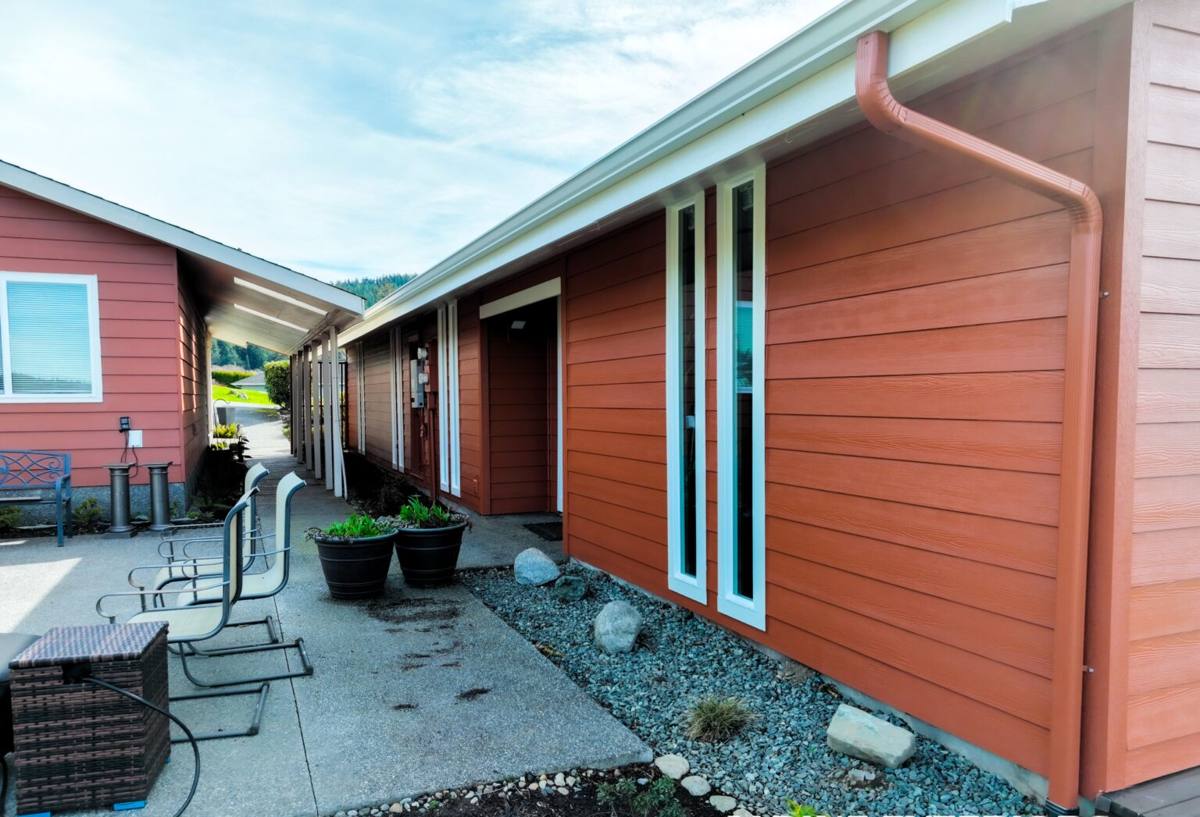
What Bellingham's Climate Actually Does to Board & Batten Siding
York sits close enough to the water and inside the same weather pattern as the rest of Bellingham, which means three things work against siding here year-round:
- Salt air: corrodes exposed fasteners, pits cheap trim, and speeds up finish breakdown on anything not rated for coastal exposure.
- Driving rain: Pacific storms don't just fall straight down here — wind-driven rain gets pushed sideways into vertical seams and batten joints, which is exactly where board and batten is most vulnerable if it isn't flashed and gapped correctly.
- A long moss season: shaded north- and west-facing walls in this part of Whatcom County stay damp for months at a stretch, giving moss, algae, and mildew a long runway to take hold on any siding material that holds moisture at the surface.
None of that means board and batten is a bad choice for a York home. It means the material and the installation both have to be matched to the conditions, not just the look.
Why We Install Only James Hardie Fiber Cement for Board & Batten
We don't install vinyl board and batten, LP SmartSide, primed spruce, cedar, or composite panel systems like Cemplank or Allura. That's a deliberate standard, not a supply issue, and it's worth explaining honestly rather than just stating it.
Wood board and batten — cedar or primed spruce — can look excellent, but it's an organic material in a wet, marine climate. It absorbs moisture at cut ends and seams, and once moisture is in, it feeds rot and gives moss and mildew something to grow on. Keeping it looking right means a real repainting and caulking schedule, indefinitely. Vinyl board and batten sidesteps rot, but it flexes with temperature, doesn't hold paint if you ever want a different color, and can crack or pop loose in sustained wind-driven rain if it isn't installed with real attention to fastening tolerance — corners and edges are the common failure points.
James Hardie fiber cement is non-combustible, dimensionally stable, and engineered specifically for wet Pacific Northwest exposure through its HZ5 product line. It doesn't absorb water the way wood does, doesn't warp or buckle the way vinyl can, and holds a factory-applied ColorPlus finish that's baked on and warrantied against fading — no repainting cycle required to keep it looking sharp. It's also backed by a strong transferable limited warranty, which matters to a lot of York homeowners who plan to sell down the road. When we tell a homeowner why we standardized on Hardie, this is the actual reasoning — not a sales line.
The Board & Batten System We Use
For board and batten specifically, that means Hardie panel siding installed vertically with Hardie trim battens over the seams — not a stapled-on veneer product, but a full assembly designed to shed water the way board and batten is supposed to.
What a Correct Board & Batten Installation Actually Involves
Most board and batten failures we get called out to assess aren't material failures — they're installation shortcuts. Here's what has to happen for the system to perform the way it's designed to, especially in a coastal, high-rainfall setting like York.
Rainscreen Gap Behind the Panel
James Hardie's installation instructions call for a drainable gap or furring behind the panel in most wet climates, so any moisture that does get past the surface can drain and dry instead of sitting against the wall sheathing. Skipping this step is one of the most common corners cut on lower-bid jobs, and it's invisible once the siding is up — which is exactly why it matters who's installing it.
Flashing at Every Penetration
Windows, doors, hose bibs, light fixtures, and roof-to-wall intersections all need proper flashing and water-resistive barrier integration before the first panel goes up. Board and batten's vertical seams make flashing detail at these points even more important than on a lap-sided wall, because water traveling down a vertical joint has a straight run toward any gap in the flashing below it.
Batten Spacing and Fastening
Battens need consistent spacing for the look to read cleanly, but more importantly they need to be fastened into structural framing or proper backing at the correct pattern, with fasteners rated for coastal exposure so they don't corrode and streak the finish over time. Butt joints between panel lengths need to be flashed, not just butted and covered.
Caulking and Sealant Discipline
Hardie's system uses sealant at specific joints, not everywhere — over-caulking a board and batten wall can trap moisture as easily as under-caulking it can let moisture in. Knowing which joints get sealed and which are designed to stay open and drain is a detail that separates a correct install from a fast one.
Board & Batten Material Comparison
| Material | Moisture Behavior in Coastal Rain | Maintenance | Typical Lifespan |
|---|---|---|---|
| Cedar / primed spruce board & batten | Absorbs moisture at seams and cut ends; prone to rot without upkeep | Repaint/reseal every few years | 15–25 years with diligent upkeep |
| Vinyl board & batten | Doesn't rot, but can flex, crack, or pop loose in driving wind-driven rain | Low, but not repairable/repaintable | 20–30 years, fades over time |
| Fiber cement (non-Hardie composite) | Similar concept to Hardie but variable factory finish quality | Depends on finish warranty | Varies by manufacturer |
| James Hardie fiber cement (HZ5) | Engineered for wet climates; won't warp, rot, or absorb water like wood | Occasional wash; no repainting needed | 30+ years with correct install |
Our Process for York Board & Batten Projects
- On-site assessment: we walk the exterior, check current siding and sheathing condition, and look at moisture exposure patterns specific to the lot — shade, wind direction, roof runoff.
- System design: panel and batten layout, trim details, and flashing plan mapped out before material orders, not improvised on site.
- Tear-off and inspection: old siding removed, sheathing and framing checked for hidden rot before anything new goes up — this is where problems from a prior install often surface.
- Rainscreen and weather barrier install: drainage plane and water-resistive barrier installed per Hardie spec for our climate zone.
- Panel and batten installation: fastened to Hardie's published pattern, with all penetrations flashed as we go, not patched afterward.
- Final detailing and walkthrough: trim, caulking at designated joints only, and a walkthrough so you understand what was done and why.
Living With Board & Batten Siding in Whatcom County
Once it's installed correctly, Hardie board and batten is genuinely low-maintenance — that's a big part of the appeal for York homeowners tired of a repainting cycle. An occasional soft wash to knock off surface grime and any moss starting on shaded walls is typically all it needs. Because the ColorPlus finish is factory-cured, it holds color evenly across the whole wall instead of showing brush-stroke wear patterns the way field-painted wood does over the years.
The one thing worth staying ahead of in this area is moss and organic growth on north-facing and heavily shaded walls — not because Hardie is vulnerable to it structurally, but because letting growth sit for years can stain the finish and hold moisture against trim and seams longer than it should. A rinse once or twice a year in the shadier spots keeps it looking new.
Signs Your Current Board & Batten Siding Needs Attention
- Soft or spongy spots when you press on boards or battens, especially near the bottom courses
- Battens pulling away from the wall or visible gaps opening at seams
- Persistent dark streaking or moss buildup that comes back quickly after cleaning
- Peeling or bubbling paint on wood board and batten, particularly on shaded elevations
- Warped or bowed vinyl panels after a stretch of hot or wind-driven weather
- Visible daylight or drafts at trim and window edges
Any one of these is worth a look before it turns into a sheathing repair. Catching it at the siding stage is a much smaller job than catching it after moisture has gotten into the wall.
Why Hiring a Crew That Already Works York Matters
York's mix of home styles and exposure conditions isn't identical to every other Bellingham neighborhood — lot shading, wind exposure, and how close a given block sits to prevailing weather off the water all shift the details of a correct install. A crew that's already worked in the area brings that context in on day one instead of learning it on your house. We install one siding system, to one standard, on every job — which means the board and batten going on a York home gets the same rainscreen, flashing, and fastening discipline whether it's a small accent wall or a full re-side.
If you're weighing board and batten for a York home, we're happy to come take a look, walk the exterior with you, and put together a straightforward, no-pressure estimate — just fill out the form below.