 Bellingham Roofing
 Windows Built for Sudden Valley's Microclimate
Sudden Valley sits close to Lake Whatcom, tucked against the tree line, which means homes here deal with a slightly different mix of weather stress than a house downtown or out on the flats. You get shade and moisture that lingers longer after a storm, wind that funnels through the tree canopy, and the same salt-laden air that moves inland off Bellingham Bay during winter storm systems. None of that is dramatic on its own, but stacked together over years, it's exactly the kind of slow, steady exposure that wears out window frames, seals, and glazing faster than most homeowners expect.
Custom windows aren't just about looks. In this part of Whatcom County, the right window is a system — frame material, glazing package, flashing, and installation detail all working together to keep water out and heat in. Get any one piece wrong and you're looking at fogged glass, soft framing, or drafts within a handful of years instead of decades.
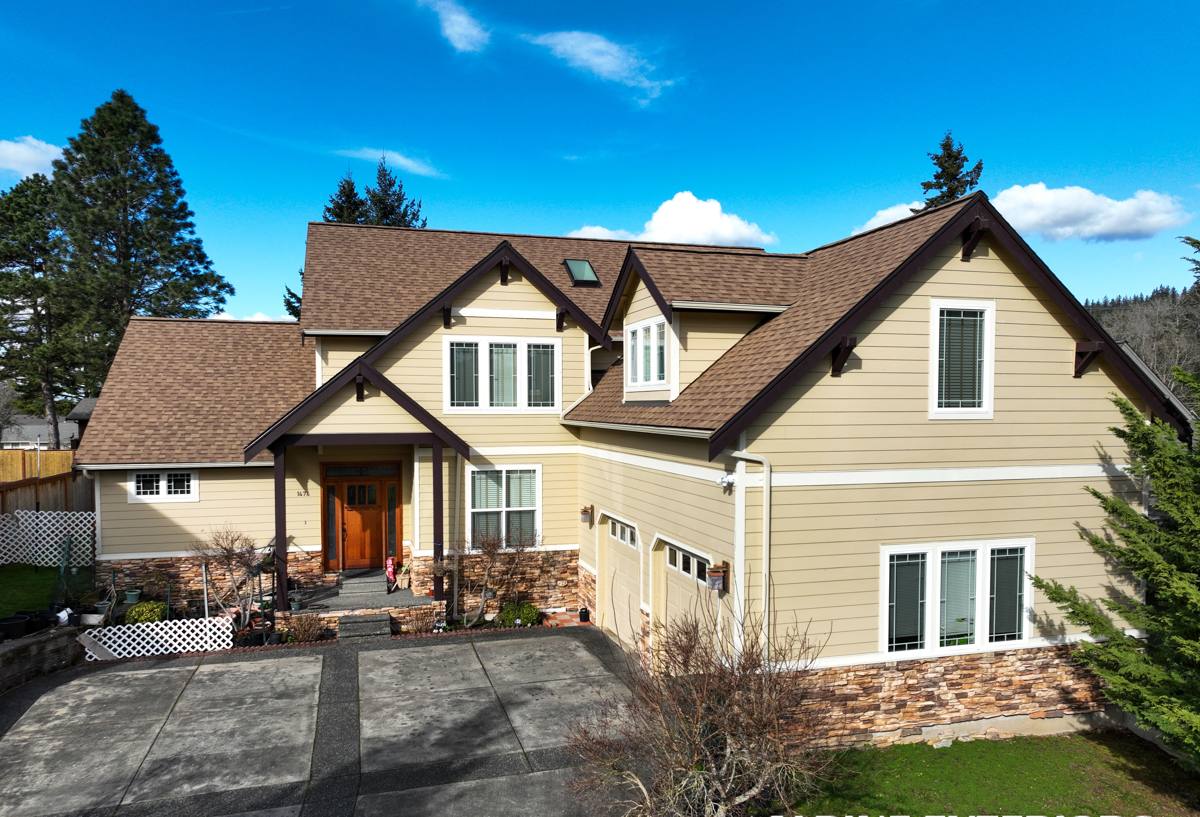
What Bellingham's Climate Actually Does to Windows
Driving Rain and Wind-Driven Moisture
Pacific storms here rarely come straight down. Wind pushes rain sideways against west- and south-facing walls, which puts real pressure on window flashing and sill details. A window that's watertight in a light, straight rain can still leak under wind-driven rain if the flashing wasn't lapped correctly or the sill pan wasn't sloped to drain.
Salt Air Off the Bay
Bellingham's proximity to the water means salt-laden air reaches even inland neighborhoods during winter storms. Salt accelerates corrosion on hardware, fasteners, and lower-grade aluminum components. It's a slow process, but it's cumulative — hardware that would last 25 years inland can start sticking or corroding well before that near the coast.
Moss and Shade
Sudden Valley's tree cover is part of what makes the area appealing, but it also means less direct sun on north- and east-facing window trim, sills, and exterior casing. That shade keeps surfaces damp longer after rain, which is exactly the environment moss and mildew need to establish. On wood-trimmed windows, prolonged dampness is the single biggest driver of rot at the sill and lower corners.
Temperature Swings and Condensation
Whatcom County winters aren't extreme, but the humidity combined with cooler indoor-outdoor temperature differentials can cause condensation on poorly insulated glass or frames. Persistent condensation between panes is usually a sign the seal has already failed — it's not cosmetic, it's a symptom.
Signs Your Sudden Valley Home Needs Window Attention
- Fogging or moisture trapped between panes of double- or triple-glazed units — this means the seal has failed and the insulating gas has escaped
- Soft or spongy wood at the sill or lower window corners, especially on shaded, north-facing walls
- Windows that are difficult to open, close, or lock — often a sign of frame swelling or corroded hardware
- Visible moss or dark streaking on sills, trim, or the wall just below the window
- Noticeable drafts or a cold spot near the window even when it's fully closed
- Paint or finish that's peeling or bubbling specifically around the window frame, not the broader wall
- Rising heating bills without any other obvious cause
What a Correct Window Job Involves
Assessment Before Anything Is Ordered
Before we talk product, we look at the actual condition of the opening — the framing behind the trim, whether there's existing water damage, and how that specific wall is exposed to wind and rain. A window that faces the lake or sits under heavy tree cover gets evaluated differently than one tucked under an eave on a protected wall.
Frame Material Matters More Here Than in Drier Climates
We steer clients toward vinyl, fiberglass, or clad-wood frames for most Sudden Valley applications, specifically because of how each holds up to sustained moisture and salt air. Solid wood exteriors look great initially, but they demand consistent maintenance in a climate this wet — if that upkeep schedule isn't realistic for your household, it's an honest trade-off worth discussing upfront rather than after a callback.
Glazing and Seals
Dual-pane, argon-filled units are the practical standard for this region — they balance insulation performance against cost well. For homes with more direct west or south exposure to wind-driven rain, we pay particular attention to the glazing gasket quality, since that's the seal doing the most work against moisture intrusion over time.
Flashing and Sill Pans — The Part Nobody Sees
This is where most window failures actually start, and it's invisible once the trim goes back on. A correctly installed window has a sloped sill pan that sheds any water that gets past the sash, plus flashing tape integrated with the house wrap so water is directed out and down, never behind the framing. We don't shortcut this step — it's the difference between a window that lasts 20+ years and one that causes hidden rot behind the wall within five.
Trim and Finish Detail
Given the shade and moisture common in Sudden Valley, we favor finish materials and details on the exterior trim that resist moss growth and don't trap water against the substrate — proper caulking lines, back-priming on any wood components, and drainage gaps where called for.
Comparing Frame Materials for This Climate
| Frame Material | Moisture Resistance | Maintenance | Best Fit |
|---|---|---|---|
| Vinyl | Excellent — won't rot or corrode | Low — occasional cleaning | Most homes prioritizing low upkeep and value |
| Fiberglass | Excellent — very stable in wet/dry cycles | Low | Larger openings, higher-end aesthetics, long-term durability |
| Clad Wood | Good — exterior protected, interior wood look | Moderate | Homeowners wanting real wood interior trim |
| Solid Wood | Fair — vulnerable without consistent upkeep | High — regular painting/sealing required | Historic or architectural matches where upkeep is planned for |
| Aluminum | Fair — prone to corrosion near salt air | Moderate | Commercial or specific architectural applications, not typical residential in this area |
Our Process for Sudden Valley Jobs
1. On-Site Evaluation
We look at every window opening being replaced or added, checking framing condition, current flashing (if accessible), and how that wall is exposed to weather. This is also when we measure precisely — custom windows only fit right if the openings are measured right.
2. Honest Product Recommendation
We'll walk through frame material, glazing package, and finish options based on what that specific opening needs, not a one-size answer for the whole house. Budget, maintenance tolerance, and how long you plan to stay in the home all factor into what actually makes sense.
3. Removal and Structural Check
When we pull the old window, we check the framing behind it for hidden water damage. This is common enough in older homes with tree cover that we build time for it into the schedule rather than treating it as a surprise.
4. Correct Installation
Sill pan, flashing integration, insulation around the frame, and proper shimming so the unit operates smoothly for years — this is the part of the job that determines whether you get 5 years or 25 out of the window.
5. Final Trim, Seal, and Walkthrough
We finish the exterior trim with moisture-resistant detailing, seal appropriately, and walk you through operation and any maintenance specific to the material you chose.
Cost Factors Worth Understanding
Custom window pricing varies a lot based on size, frame material, glazing package, and how much of the surrounding trim or siding needs to be opened up to do the job right. Rather than quote a number that won't hold up across different homes, here's what actually moves the price:
- Frame material — vinyl is typically the most economical, fiberglass and clad wood cost more upfront but often less over the ownership period
- Number of windows and whether they're standard sizes or true custom dimensions
- Condition of the existing framing — hidden rot repair adds cost but shouldn't be skipped
- Glazing upgrades — triple-pane, upgraded gas fill, or specialty coatings
- Access and site conditions — second-story or hard-to-reach openings take more time
We provide a written estimate that breaks these out so you know exactly what you're paying for, not a lump number with no explanation.
Why Local Experience in Sudden Valley Matters
A crew that's worked this specific area understands the tree cover, the moisture patterns, and how wind moves off the lake against different sides of a house. That's not something you can fully account for from a general knowledge of Whatcom County weather — it comes from having actually installed and serviced windows in this neighborhood and having seen which details hold up and which ones fail early. We're not guessing at flashing details or frame recommendations; we're applying what's worked on homes with the same exposure yours has.
If your windows are fogging, drafting, sticking, or just due for an honest look, we'd rather walk the property and tell you straight what we see than sell you something you don't need. Reach out for a free, no-pressure estimate using the form below.