 Bellingham Roofing
 Roof Repair Built for Cordata's Conditions
Cordata is a mostly residential part of north Bellingham, with a mix of newer subdivisions and older homes shaded by mature trees. That mix matters for roofing. Newer roofs in the neighborhood are still working through their first real decade of Pacific Northwest weather, while older roofs are often carrying repairs on top of repairs. Either way, the same climate is doing the damage: Whatcom County's salt air off the Puget Sound and Strait of Georgia, driving wind-blown rain, and a moss season that can run most of the year in shaded yards. A roof repair here has to account for all three, not just patch what's visible from the ground.
This page covers what roof repair specifically looks like for Cordata homes — what typically fails first, what a correct repair involves, and how we approach the work when we're called out to a house in this part of Bellingham.
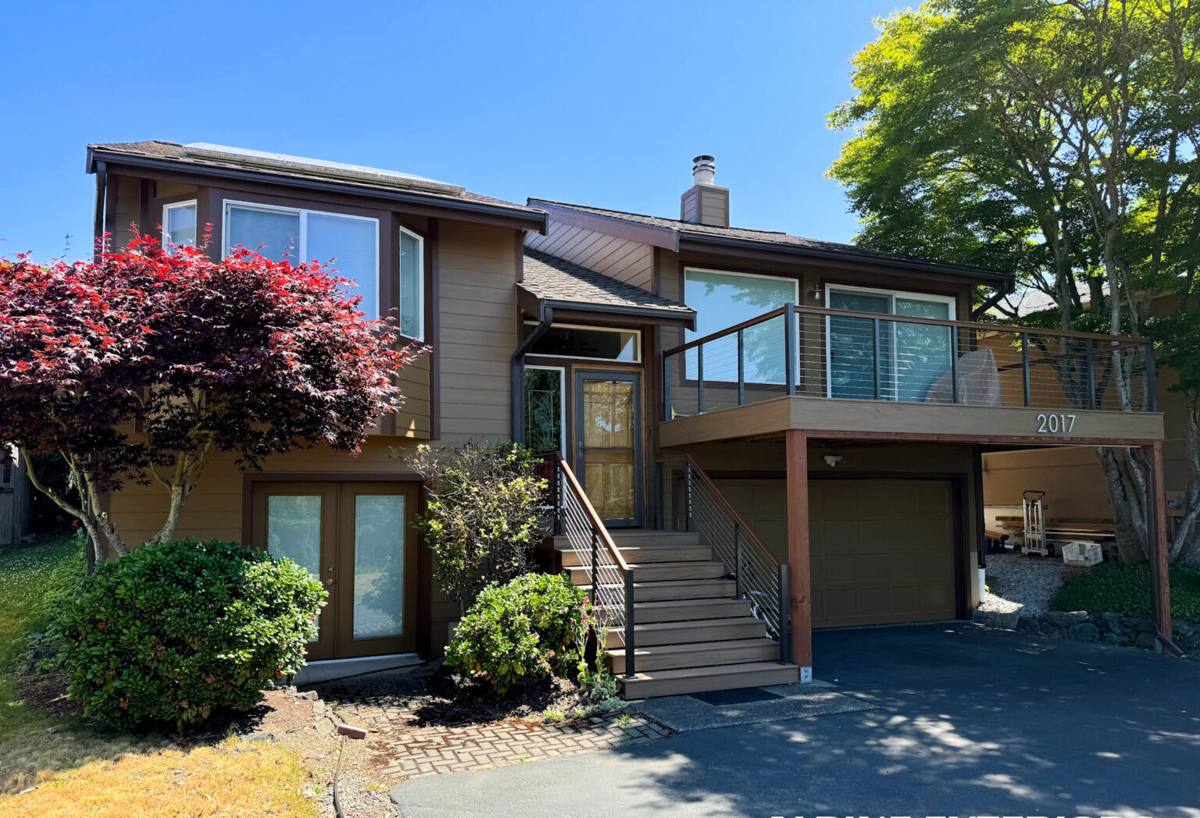
How Local Weather Damages Roofs Over Time
Moss and Organic Growth
Shaded roof sections, north-facing slopes, and areas under overhanging trees stay damp longer than the rest of the roof. Moss and algae take hold in those spots first, and once established they hold moisture directly against the roofing material. On asphalt shingles that moisture accelerates granule loss; on cedar it speeds rot; on any surface it can work its way under shingle tabs and lift them enough for wind and rain to get underneath. A roof that looks fine from the street can have active moss damage on the back slope that's been building for a season or two.
Wind-Driven Rain
Bellingham doesn't usually get the kind of straight-down downpours that show up in warmer climates — it gets steady, wind-driven rain that comes in at an angle. That matters for repair work because it pushes water sideways, under shingle edges, around flashing laps, and into any gap that a calm-weather rain would never reach. A repair that only addresses the visible hole or crack, without checking how water moves across that section of roof in a windstorm, tends to fail again within a season or two.
Salt Air and Corrosion
Proximity to the Sound means metal roofing components — flashing, fasteners, vents, and any exposed metal trim — are exposed to airborne salt that speeds up corrosion compared to inland areas. Fastener heads and flashing seams are usually the first things to show it, well before the roofing material itself is compromised. It's a slow process, but it's one reason we check metal condition on every repair call, not just the shingles or membrane.
Signs a Cordata Roof Needs Repair, Not Replacement
Most roofs don't fail all at once — they show warning signs first. Catching these early is usually the difference between a straightforward repair and a much bigger job.
- Granules collecting in gutters or at the base of downspouts
- Dark streaking or thick moss growth on shaded or north-facing slopes
- Curling, cracked, or missing shingles, especially after a windstorm
- Soft or spongy spots when walked on (a sign of decking damage underneath)
- Water stains on interior ceilings or in the attic near vents, chimneys, or skylights
- Daylight visible through the roof deck from inside the attic
- Rust streaking below metal flashing or fasteners
- Sagging in the roofline, particularly over porches or additions
One or two of these on their own are usually repairable. Several at once, especially combined with a roof that's already at or past its expected lifespan, is worth an honest conversation about repair versus replacement before spending money on a patch that won't hold.
What a Correct Repair Actually Involves
A roof repair that lasts starts with figuring out where water is actually getting in — which is not always where it's showing up inside the house. Water can travel along rafters or decking for several feet before it drips somewhere visible, so a repair that only addresses the interior stain often misses the real entry point.
Diagnosis First
We walk the roof (weather permitting) and check the attic from the inside, looking at flashing points, valleys, penetrations for vents and chimneys, and the general condition of the surrounding material — not just the immediate damage. A leak at a chimney, for example, is often a flashing failure, not a hole in the roofing material itself, and repairing the wrong thing means the leak comes back.
Matching Materials Correctly
Repairs should match the existing roofing material in type, weight, and where possible, color and age. Mismatched shingles stand out visually, but more importantly, mismatched materials can behave differently in wind and rain, creating new weak points right at the repair line.
Flashing and Sealant Done Right
A large share of "roof leaks" are actually flashing failures around chimneys, skylights, vents, and roof-to-wall transitions. Flashing has to be properly lapped with the roofing material so water sheds over it, not caulked as a substitute for correct installation. Sealant has a place in roofing, but it's a supplement to good flashing work, not a replacement for it.
Checking What's Underneath
If decking underneath a damaged section is soft, delaminated, or rotted, patching over it just hides the problem. A correct repair replaces compromised decking before new roofing material goes down, even if that adds a step to the job.
Common Roofing Materials in Cordata Homes and Their Repair Needs
What a repair involves depends heavily on what's already on the roof. Here's how the common materials in this area typically hold up and what their repairs usually require.
| Material | Common Issue Locally | Typical Repair Approach |
|---|---|---|
| Asphalt/composition shingle | Granule loss, moss under tabs, wind-lifted edges | Replace damaged shingles, reset lifted tabs, clean and treat moss-prone areas |
| Cedar shake or shingle | Moisture retention, splitting, moss and rot in shaded sections | Replace split or rotted shakes, improve airflow where possible, moss treatment |
| Metal roofing/panels | Fastener corrosion, seam and flashing wear from salt air | Fastener replacement, reseal or reflash seams, spot corrosion treatment |
| Flat or low-slope (TPO/membrane) | Ponding water, seam separation at flashing points | Reseal or heat-weld seams, address drainage, patch membrane punctures |
Homes with layered or mixed roofing — for example, a shake roof with a later composition addition, or a low-slope section over a porch tied into a steep-slope main roof — need extra attention at the transition points, since that's usually where leaks originate.
Our Repair Process
We keep the process straightforward so you know what to expect before any work starts:
- Inspection: We look at the roof and attic to find the actual source of the problem, not just the symptom.
- Explanation: We tell you what we found, in plain terms, including whether it's a repair situation or something bigger.
- Written estimate: A clear scope of work and price before anything is touched.
- The repair: Matching materials, proper flashing work, and decking replacement if needed.
- Cleanup and check: Debris and old material removed, and the surrounding roof checked so we're not leaving other weak points behind.
We don't upsell a full roof replacement when a repair will genuinely hold, and we won't recommend a patch job on a roof that's clearly past the point where repair makes financial sense. Either way, you get a straight answer.
Repair vs. Replacement: What Actually Drives the Decision
This is one of the most common questions we get on repair calls, and the honest answer depends on a handful of factors rather than a single rule.
| Factor | Leans Toward Repair | Leans Toward Replacement |
|---|---|---|
| Roof age | Well within expected lifespan | At or past expected lifespan for the material |
| Extent of damage | Isolated to one section or penetration | Spread across multiple slopes or repeated past repairs |
| Decking condition | Solid, no rot found | Soft or rotted in multiple areas |
| Repair history | First or infrequent repair | Same area repaired more than once already |
| Underlying material | Still flexible, granules intact | Brittle, cracking broadly, heavy granule loss |
Cost is obviously part of the conversation too, but we'd rather walk you through the actual condition of the roof than quote a number without context. A repair on a roof with two or three good years left can make a lot of sense; a repair on a roof that's already failing in multiple spots is often just delaying a replacement while adding to the total cost.
Why Local Experience in Cordata Matters
A roof in a coastal, moss-heavy, rain-driven climate like Whatcom County behaves differently than the same roof would in a drier region, and repair work needs to reflect that. Knowing which slopes in this neighborhood tend to hold moisture, how wind-driven rain typically finds its way into flashing details, and how salt air affects fastener life over time isn't something that shows up in a generic repair checklist — it comes from working roofs in this specific area and climate repeatedly. A crew that's used to Bellingham's weather patterns is also more likely to catch a secondary problem, like early moss growth on a shaded slope, while they're already up there for a primary repair — which can save a second service call down the line.
Simple Maintenance Between Repairs
A few habits go a long way toward extending the life of a repair and reducing how often you need one in the first place:
- Clear gutters and downspouts at least twice a year so water isn't backing up under the roof edge
- Trim back overhanging branches to reduce shade and debris buildup on the roof
- Have moss treated before it spreads, rather than after it's established
- Check the attic after major windstorms for new water staining or daylight through the decking
- Address small leaks promptly — a small flashing issue is a much smaller repair than the rot it can cause left unaddressed
None of these replace a professional inspection, but they reduce how much work that inspection finds.
Get a Straightforward Estimate
If you're seeing signs of a leak, moss buildup, or storm damage on a Cordata home, we're glad to take a look and give you an honest read on what it needs. The estimate is free, there's no pressure to move forward, and you'll get a clear explanation of what we found either way. Fill out the form below to get started.