 Bellingham Roofing
 Metal Roofing in Columbia: Built for What Bellingham Actually Throws at a Roof
Columbia is one of Bellingham's older, established neighborhoods, and that means a lot of its homes are carrying roofs that have already been through a few decades of Whatcom County weather. Between the salt-laden air drifting in off Bellingham Bay, driving rain that comes in sideways during fall and winter storms, and a moss season that runs longer here than in drier parts of the state, asphalt shingles in this pocket of town tend to age faster than their warranty paperwork suggests. Metal roofing is one of the few systems that genuinely holds up to all three of those stressors at once, which is why we get more metal roofing calls out of Columbia than from some of the newer subdivisions on the edges of town.
This page is specifically about metal roofing for Columbia homes — what the local climate demands, what a correct installation actually involves, how our process works from first call to final walkthrough, and why it matters that the crew on your roof already knows this neighborhood.
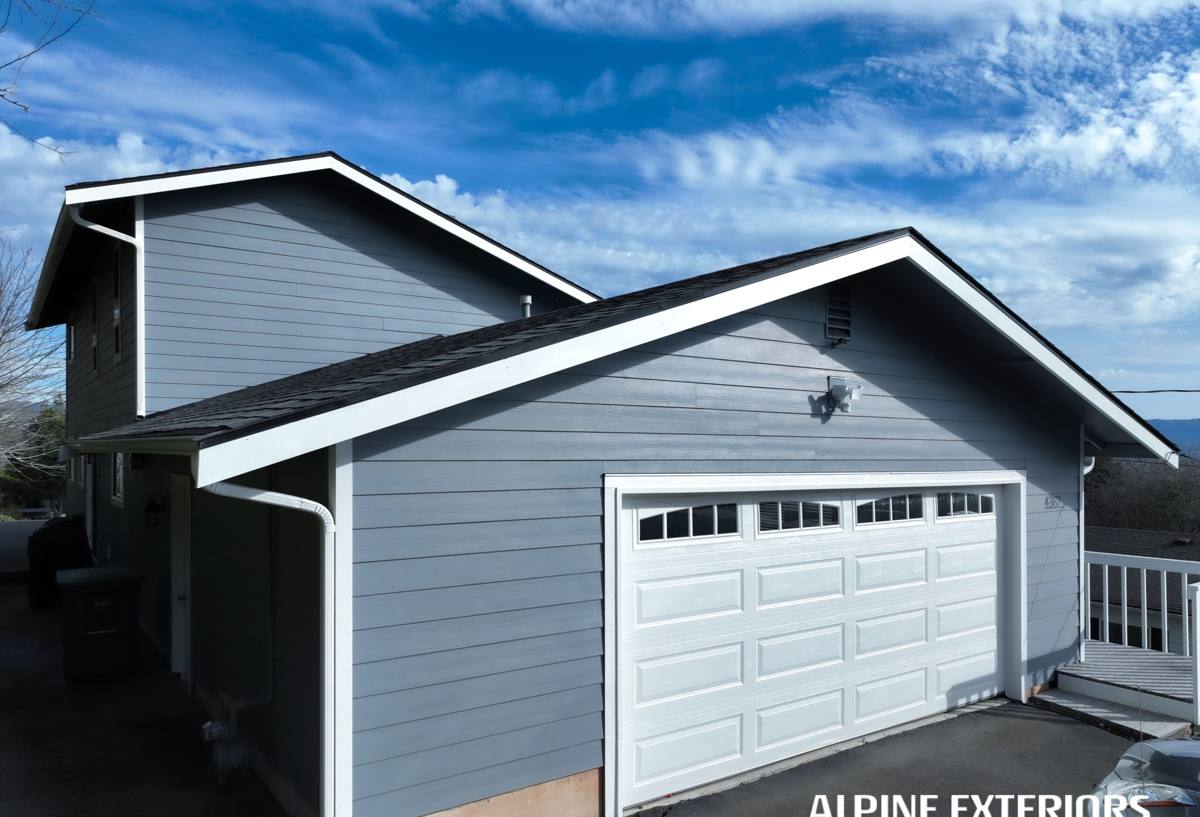
What Salt Air, Driving Rain, and Moss Season Do to a Roof Here
Bellingham's roofs don't fail for one dramatic reason — they fail from three ordinary things happening at the same time, year after year.
Salt air
Proximity to Bellingham Bay means airborne salt settles on every exterior surface in town, Columbia included. On unprotected or poorly coated metal, salt accelerates corrosion at fastener heads, cut edges, and anywhere the protective finish has been scratched during installation. It's not a reason to avoid metal roofing — it's a reason to be picky about the coating system, the fastener hardware, and the installer's habits around handling panels without scuffing them.
Driving rain
Storms off the Sound don't always fall straight down. Wind-driven rain gets pushed sideways and upward under roof edges, around chimneys, and into any flashing detail that had corners cut on it. A roof that only has to shed water falling vertically is a different, easier problem than one that has to resist water being forced sideways and up. This is where underlayment choice and flashing technique matter as much as the roofing material itself.
A long moss season
Between the tree cover common on older Columbia lots and Bellingham's extended damp season, moss and algae have months on end to get established on a roof surface. On shingles, moss roots into the granules and lifts them, shortening the roof's life every season it's left alone. Metal doesn't give moss the same foothold, but it still needs valleys, ridges, and low-slope transitions kept clear — moss at a panel seam or fastener can still hold moisture against the surface longer than it should sit there.
Why Metal Makes Sense for This Specific Neighborhood
Not every roof in every neighborhood needs the same recommendation, and we'd tell you if asphalt were the more sensible call for your house. But for Columbia specifically, a few things push the math toward metal:
- Many homes here have steep or moderately steep roof pitches, which is exactly the geometry metal roofing performs best on for shedding wind-driven rain.
- Mature tree canopy in the neighborhood means more debris and shade-driven moss pressure than a treeless new-build subdivision — metal resists both better than shingles.
- Proximity to the water means salt exposure is a real, ongoing factor here, which makes coating quality and fastener choice worth getting right the first time.
- A number of Columbia homes are older structures, where a roof replacement is a good moment to also correct decades-old ventilation or flashing shortcuts.
What a Correct Metal Roof Installation Actually Involves
Metal roofing has a reputation for being "put it up and forget it," and it can live up to that — but only if the install underneath the panels is done right. Most metal roof problems we get called out to inspect aren't failures of the metal itself; they're shortcuts taken in the parts you can't see once the job is finished.
Deck inspection and prep
Before anything goes down, the existing roof deck needs to be checked for soft spots, rot, or old fastener damage, especially around any prior roof penetrations. Metal roofing is unforgiving of a deck that isn't flat and solid; skipping this step is one of the most common shortcuts in the trade.
Underlayment
Given how much wind-driven rain this area sees, we treat underlayment as a real second layer of defense, not a formality. Self-adhered, high-temperature underlayment at eaves, valleys, and penetrations gives the roof a backup water barrier in exactly the spots wind pushes water uphill or sideways.
Fastener and clip selection
This is where salt air exposure matters most. Fastener heads, screws, and clips need to be rated for coastal or marine-influenced environments, not just generic exterior use. Mismatched or bargain-grade fasteners are usually the first thing to show corrosion streaks down a panel face, and it's a completely avoidable problem.
Panel layout and seams
Panel spacing, expansion allowance, and seam type all affect how the roof handles temperature swings and wind uplift. A rushed or inexperienced crew will often over-fasten panels rigidly, which doesn't give the metal room to expand and contract — that's how you end up with oil-canning (visible waviness) and stressed seams down the road.
Flashing at every transition
Chimneys, skylights, dormers, valleys, and wall-to-roof transitions are where the vast majority of leaks originate on any roof, metal included. Flashing has to be formed and layered correctly for the specific panel profile being used, not just caulked and hoped for.
Comparing Panel Types for a Columbia Home
There isn't one correct metal roofing product for every house — the right panel profile depends on roof pitch, budget, and how the home looks from the street. Here's how the common options stack up for this climate:
| Panel Type | Best Suited For | Climate Performance Notes |
|---|---|---|
| Standing seam (concealed fastener) | Steeper roofs, homes wanting a clean modern or farmhouse look | No exposed fasteners means no fastener-head corrosion points; strongest long-term performance in salt air |
| Exposed-fastener panels (corrugated or ribbed) | Budget-conscious projects, outbuildings, simpler rooflines | Lower upfront cost, but fastener gaskets and heads need periodic inspection given salt exposure |
| Stone-coated steel | Homeowners wanting a shingle or tile look with metal's durability | Good moss and rain resistance; check coating warranty terms for coastal use specifically |
| Aluminum panel systems | Properties with the highest salt exposure, closest to the water | Naturally corrosion-resistant; often the preferred choice right along the waterfront |
Metal Roofing vs. Asphalt Shingles for This Climate
Homeowners in Columbia usually already know metal costs more up front — the real question is whether that difference makes sense given the conditions here. This is a general comparison, not a guarantee of any specific lifespan or savings figure:
| Factor | Metal Roofing | Asphalt Shingles |
|---|---|---|
| Moss resistance | Much less foothold for moss on the panel field itself | Granules give moss roots something to grab; needs more frequent cleaning in this climate |
| Wind-driven rain performance | Fewer seams and laps for water to find on steep pitches | Performs fine when installed well, but shingle laps are more failure points over time |
| Salt air durability | Strong, when coatings and fasteners are marine-rated | Granule loss and edge curling can accelerate near the bay |
| Upfront cost | Higher | Lower |
| Typical upkeep | Occasional debris and fastener checks | Regular moss treatment and granule loss monitoring |
Our Process for a Columbia Metal Roof Project
We run the same disciplined process on every metal roof, but we adjust the details based on what we already know about houses in this part of Bellingham.
- On-site assessment — we walk the existing roof, check deck condition where accessible, and look at how the current roof has handled moss, salt exposure, and rain intrusion so far.
- Panel and detail recommendation — based on your roof's pitch, tree cover, and distance from the water, we recommend a panel profile and fastener/coating spec suited to your exposure, not a one-size-fits-all package.
- Written estimate — a clear breakdown of materials, labor, tear-off if applicable, flashing work, and any deck repairs identified.
- Tear-off and deck repair — old roofing removed, deck inspected fully, and any soft or damaged sheathing replaced before anything new goes down.
- Underlayment and flashing installation — high-temperature underlayment at vulnerable areas, new flashing formed and installed at every transition point.
- Panel installation — panels set with correct spacing, expansion allowance, and marine-rated fasteners or seams appropriate to the profile chosen.
- Final walkthrough — we inspect every seam, flashing point, and fastener with you before calling the job finished, and cover what maintenance the system needs going forward.
Maintenance a Metal Roof Still Needs in This Climate
"Low maintenance" doesn't mean "no maintenance," especially with the moss and salt conditions Columbia deals with. A short annual routine keeps a metal roof performing the way it's supposed to for decades:
- Clear leaves, needles, and debris from valleys and low-slope areas at least once a year, more often under heavy tree cover.
- Check fastener heads and panel edges for early corrosion streaking, particularly on homes closer to the water.
- Confirm gutters and downspouts are flowing freely — a roof that sheds water quickly needs a drainage system that can keep up with it.
- Look for moss or algae gaining a foothold at seams, ridges, or fastener penetrations and remove it before it holds moisture in place.
- Have flashing around chimneys, skylights, and vents checked periodically, since these remain the most common leak points regardless of roofing material.
What Drives the Cost of a Metal Roof in This Area
Every roof is different, so we won't quote a number without seeing your house — but these are the factors that move the price up or down on most Columbia projects:
| Cost Factor | Why It Matters Here |
|---|---|
| Panel material and profile (steel vs. aluminum, standing seam vs. exposed fastener) | Aluminum and concealed-fastener systems cost more but perform best against salt air |
| Roof pitch and complexity | Steeper or more cut-up rooflines with multiple valleys and dormers take more labor and flashing work |
| Existing deck condition | Older Columbia homes sometimes need sheathing repair once old roofing is removed |
| Tear-off scope | Removing multiple layers of old roofing adds labor and disposal cost |
| Access and tree cover | Mature trees common in this neighborhood can affect staging, debris protection, and cleanup time |
Why It Matters That Your Roofer Already Works in Columbia
A roofer who mostly works new-construction subdivisions on the edge of town hasn't necessarily spent much time solving the specific combination of problems Columbia roofs deal with — mature trees, older roof decks, and steady salt exposure off the bay. Crews who already know this neighborhood aren't guessing at fastener specs or underlayment placement; they've already seen how the local conditions play out over years, not just at installation. That familiarity shows up in the details: where moss tends to establish first on a given roof orientation, which flashing details need the most attention on older Bellingham homes, and what fastener hardware actually holds up long-term this close to the water.
It also matters for something more basic — being available. A crew that's local to Whatcom County and already working in your neighborhood can get back out to a Columbia property faster for a warranty check or a storm-related concern than one dispatching from farther away.
Getting Started
If you're weighing metal roofing for a home in Columbia, we're glad to come take a look, walk you through what your specific roof needs, and put together a straightforward estimate — no pressure, no upsell script. Fill out the form below and we'll get in touch to schedule a time.