 Bellingham Roofing
 Custom Windows Built for Happy Valley's Weather
Happy Valley is a residential pocket of Bellingham with the same mixed housing stock you'll find across a lot of older Whatcom County neighborhoods — early-1900s homes, mid-century remodels, and newer infill construction sitting side by side. What ties them together isn't the style of the house, it's what the weather does to it. Salt-laden air off the water, driving rain that comes in sideways more often than straight down, and a moss season that can stretch from fall through spring all put steady stress on window frames, sills, and the seals around them. A window that works fine in a drier inland climate can fail here in half the time if it wasn't chosen or installed with that in mind.
Custom windows aren't about luxury upgrades — they're about getting a window sized, built, and installed correctly for a specific opening and a specific climate, instead of forcing a generic stock unit into a house it wasn't made for.
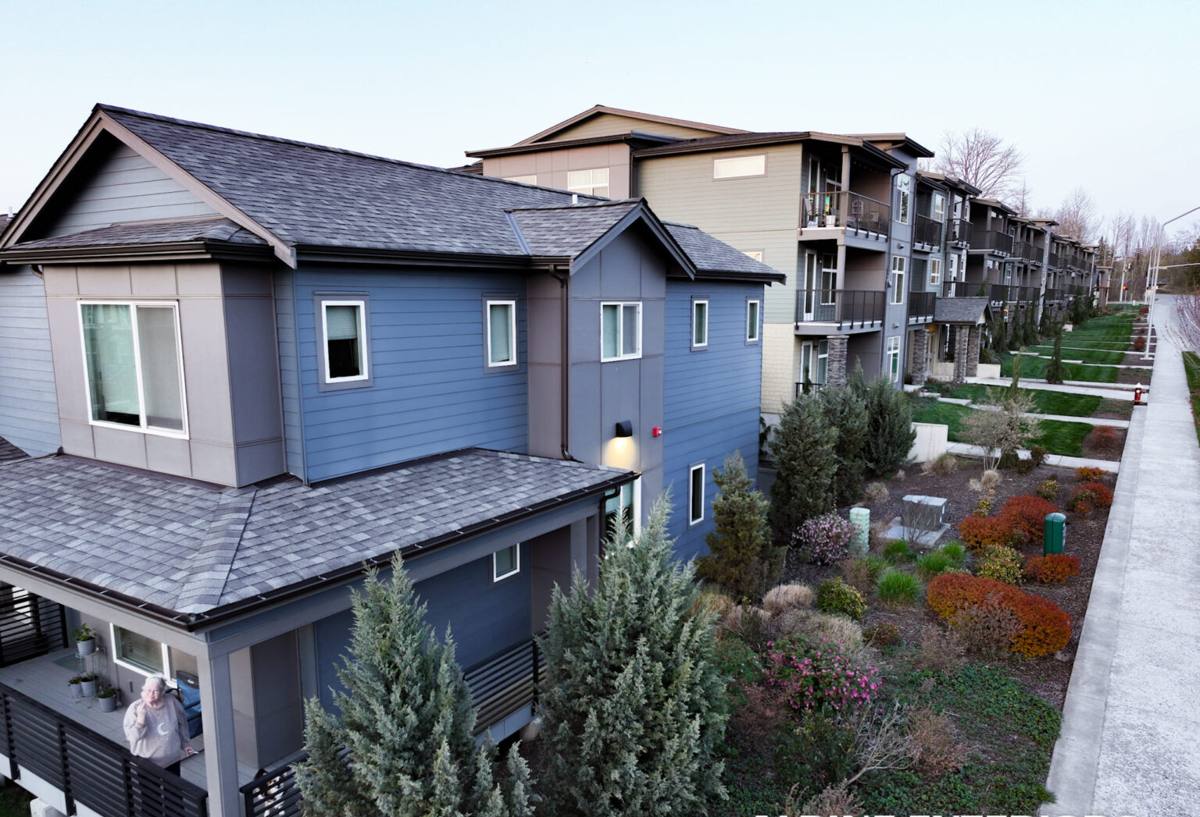
What "Custom" Means for This Neighborhood's Homes
Like much of Bellingham, Happy Valley has plenty of homes where the window openings simply don't match modern stock sizes. Decades of settling, past remodels, and older framing methods mean rough openings are often slightly out of square or a size or two off from what a big-box window comes in. "Custom" in this context usually means one of three things:
- Manufacturing a window to fit an existing, non-standard opening rather than resizing the opening to fit a stock window
- Matching a trim profile, sightline, or grid pattern so a replacement doesn't look out of place next to original woodwork or siding
- Building for an unusual application — a bay window, an odd-shaped transom, a tall stairwell window — where off-the-shelf options don't exist
The upside of doing this correctly is that you get a window that fits tight the first time, with no shimming gymnastics or gapped trim that becomes a future water entry point. The downside, if it's done poorly, is a custom unit that's expensive but still leaks or binds because the measurements or installation were off. Precision matters more here than the glass or hardware brand.
Choosing a Frame Material That Holds Up Here
Frame material is the single biggest factor in how a window ages in a coastal, high-rainfall climate. Every material has a place, but some tolerate Bellingham's conditions better than others without constant upkeep.
| Frame Material | Moisture / Salt-Air Resistance | Maintenance | Typical Lifespan |
|---|---|---|---|
| Vinyl | Good — won't rot or corrode, seams can be a weak point if welding quality is poor | Low | 20–30 years |
| Fiberglass | Very good — dimensionally stable in wet/dry cycling, resists corrosion | Low | 30–40+ years |
| Wood-clad | Depends heavily on cladding integrity and joint sealing; interior wood still needs protection from condensation | Moderate to high | 20–30 years with upkeep |
| Aluminum | Prone to condensation and corrosion in salt air unless thermally broken | Moderate | 20–30 years |
We don't push one material on every job. A wood-clad window can be the right call for matching a historic exterior, as long as the homeowner understands the maintenance commitment that comes with it. Where low upkeep and long-term moisture performance matter most, fiberglass and quality vinyl are usually the more honest recommendation for this climate — not because other materials are bad, but because they demand more attention to stay watertight here.
What We Steer Away From
We're cautious about installing bare aluminum frames without a thermal break in this area. They conduct cold efficiently, which means more interior condensation on the frame — and condensation that isn't managed eventually finds its way into the sill and the wall below it. It's less about the material failing outright and more about it demanding a level of detailing and upkeep that most homeowners don't want to sign up for.
Glass and Coatings That Actually Matter in This Climate
Glass package decisions matter as much as frame material, especially for condensation control in a climate with long stretches of high humidity and cool, damp air.
Low-E Coatings
Low-emissivity coatings reduce heat transfer through the glass. In Bellingham's climate, that cuts both ways — it helps hold interior heat during our long cool season and reduces solar gain in summer. It also helps keep interior glass surface temperatures higher, which reduces the condensation that fogs up cold glass on damp mornings.
Gas Fills and Pane Count
Argon-filled double-pane units are the standard baseline for most homes here and perform well. Triple-pane glass adds meaningful insulation value and further reduces condensation risk, but it adds weight, cost, and can be overkill on a house that doesn't need it structurally or budget-wise. We size the glass package to the house, not the other way around.
Seal Failure — the Quiet Problem
Insulated glass units rely on a sealed edge to keep gas fill in and moisture out. Constant humidity and temperature swings are exactly the conditions that stress that seal over time. Fogging between the panes is a sign the seal has failed — not something that can be fixed, only replaced.
What a Correct Installation Actually Involves
Most window failures in this climate aren't glass failures — they're installation failures. Good product, bad detailing around the opening, and water finds its way in within a few rainy seasons. A correct install includes:
- Removing the old window and inspecting the framing underneath for hidden rot or prior water damage before anything new goes in
- Pan flashing at the sill so any water that does get past the window has somewhere to drain instead of pooling
- Proper integration with the house's water-resistive barrier — flashing tape lapped correctly with the building wrap, not just caulked over the top
- Sealants and flashing materials that are actually compatible with each other and with the siding type — mismatched products can fail to bond or trap moisture
- Correct shimming so the window operates smoothly and doesn't rack out of square over time
- Finish trim and sealant on both the exterior and interior, sized and applied so water sheds away from the opening instead of toward it
Skipping any one of these steps can look fine for a year or two before a leak shows up inside a wall cavity where it's expensive to find and repair.
Our Process, Start to Finish
We approach window replacement the same way we approach moisture management on a roof — the goal is a continuous, correctly lapped water path from the top of the opening to the ground, with no shortcuts hidden behind trim.
- On-site assessment: we look at each opening, check for existing rot or past water intrusion, and note anything non-standard about the framing
- Measurement and material selection: exact measurements go into the custom order, and we walk through frame material and glass package trade-offs based on the house and budget
- Tear-out: old windows come out carefully so we can inspect the sill and framing underneath before anything new goes in
- Repair as needed: any rot or damage found gets addressed before the new window is installed — never covered over
- Installation: flashing, window, shimming, and insulation go in following the correct sequence for the siding type involved
- Sealing and trim: exterior and interior finish work, sealed and detailed to shed water properly
- Final walk-through: we check operation, sightlines, and seal quality with the homeowner before calling the job done
What Drives the Cost of a Custom Window Project
Custom window pricing varies more than stock replacement pricing because so much depends on the condition of the existing opening and what the homeowner wants matched.
| Cost Factor | Why It Moves the Price |
|---|---|
| Number and size of windows | More units and larger glass areas mean more material and labor |
| Frame material | Fiberglass and wood-clad generally cost more upfront than vinyl |
| Glass package | Triple-pane and specialty coatings add cost over standard Low-E double-pane |
| Hidden damage | Rot or water damage found during tear-out adds repair work before install can proceed |
| Trim and siding integration | Matching existing profiles or repairing siding around the opening adds labor |
| Access and opening shape | Second-story, bay, or irregular openings take more time to install correctly |
Signs Your Current Windows Are Already Behind
- Fogging or haze between the panes that won't clean off
- Noticeable drafts near the frame even when it's fully closed
- Soft or discolored wood at the sill or lower frame
- Windows that stick, won't stay open, or are hard to lock
- Visible mold or persistent condensation on the frame or lower glass
- Moss or dark staining building up on exterior trim or sills
Any one of these on its own isn't an emergency, but a few together usually mean moisture is already getting past the seal or the flashing, and it's worth having someone look before it turns into a framing repair.
Why Hiring a Crew That Already Works in Happy Valley Matters
A window installed to a generic national standard can still underperform in a place like Bellingham if the crew hasn't accounted for what our specific conditions do to a building envelope over time. Contractors who regularly work this area know which older home vintages tend to have hidden rot behind original trim, how local siding types need to be flashed and sealed, and what the City of Bellingham and Whatcom County expect for permitting when an opening is being resized or a header altered. That familiarity shows up in the details — the flashing sequence, the sealant choice, the sill pitch — long before it ever shows up as a problem.
It also matters for accountability. A crew based here and working these neighborhoods regularly has a reason to get the detailing right the first time and to stand behind the work afterward.
If you're weighing custom windows for a home in Happy Valley, we're happy to take a look, walk through your options honestly, and put together a straightforward estimate — no pressure, no obligation. The form below is the quickest way to get that started.