 Bellingham Roofing
 Roof Replacement in Lynden: Built for This Valley's Climate
Lynden sits inland in the Nooksack valley, in the northern part of Whatcom County near the Canadian border. It gets less direct salt exposure than our waterfront service areas closer to Bellingham Bay, but a new roof here still has to answer to the same regional weather system that shapes every roof in this part of Washington: moist marine air moving up the valley, rain that arrives at an angle as often as it falls straight down, and mild temperatures that let moss and algae grow through most of the year instead of just a few wet months. A roof replacement that treats this like a dry-climate job ages faster than it should.
Bellingham Roofing Company replaces roofs across Whatcom County, and Lynden is a community we work in regularly. The larger, more open lots common here — farmland-adjacent properties, rural residential parcels, roofs with more exposed roof plane and less in-town shading — change some of the practical decisions on a replacement, from ventilation needs to how much wind exposure a given slope actually gets. A full replacement is the chance to fix the weaknesses a repair can't reach, not just swap old shingles for new ones.
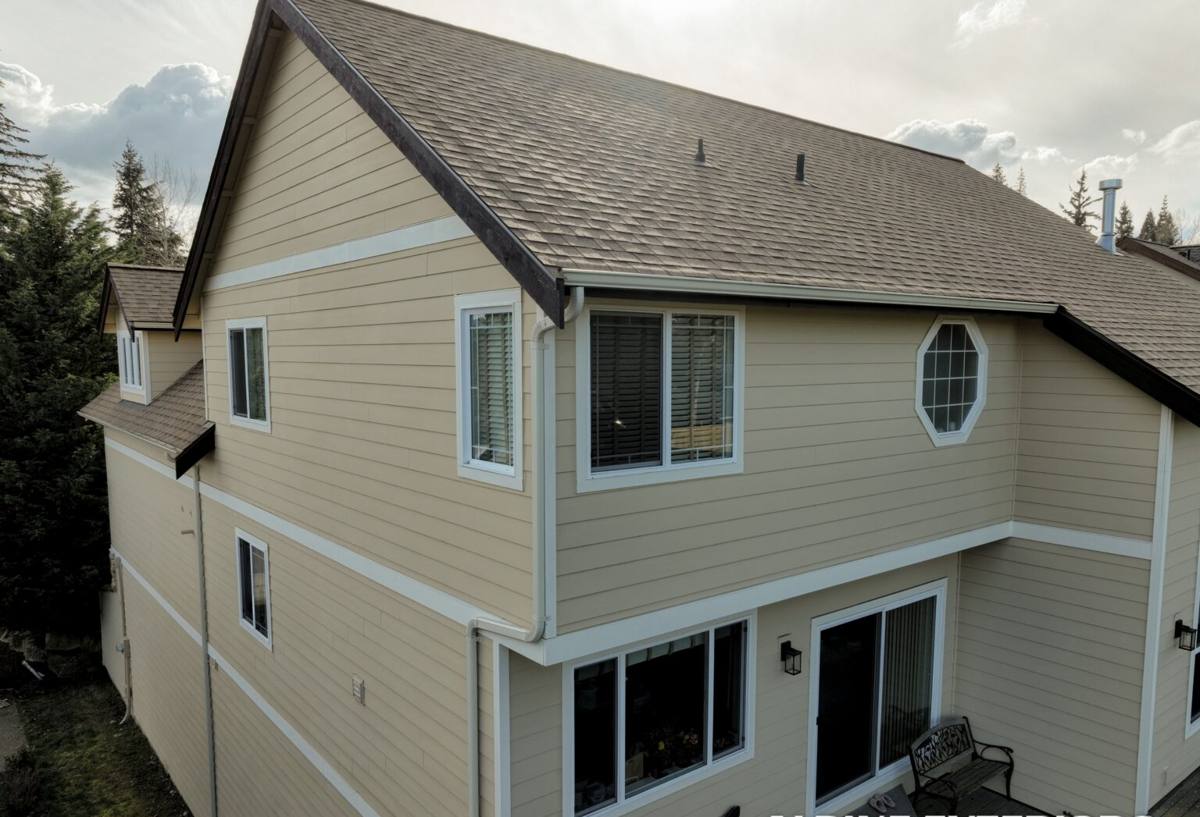
Signs a Lynden Roof Has Reached the End of Its Life
Not every aging roof needs full replacement, and we won't tell you it does if a repair will genuinely hold. These are the signs that usually mean it's time to stop patching:
- Shingles curling, cupping, or cracking across multiple roof slopes, not just one isolated spot
- Granule loss heavy enough that bare or shiny patches are visible on the shingle surface
- Moss that returns within a season or two of being cleaned off
- Soft spots or noticeable sagging when the roof deck is walked
- Daylight or water staining visible from inside the attic
- A roof already past 20-25 years old with a history of repeated repairs
- Flashing that's rusted, lifted, or missing sealant in more than one location
One or two of these on their own might still be repairable. Several at once, especially on a roof already well into its expected service life, usually means replacement is the more honest recommendation — and the more cost-effective one over the next decade.
What a Correct Roof Replacement Involves
The shingles are the part everyone sees, but most roof failures in this climate start with something underneath them that was rushed or skipped. A replacement done right addresses every layer of the system, not just the top one.
Full Tear-Off and Deck Inspection
We remove the existing roofing down to the deck rather than layering new material over old. That's the only way to see the plywood or planking underneath — soft, delaminated, or water-stained decking has to be replaced before anything new goes down, and there's no way to know it's there until the old roof comes off.
Underlayment and Ice-and-Water Protection
Underlayment rated for sustained moisture exposure goes down across the full deck, with self-adhered ice-and-water shield at eaves, valleys, and anywhere else water and debris tend to collect. In a climate where roofs rarely get a long stretch to fully dry out, this layer is doing more work here than it would in a drier region, and it isn't a place to use a minimum-code product.
Flashing at Every Transition
Chimneys, vent pipes, skylights, valleys, and roof-to-wall transitions are where wind-driven rain finds its way in. Every one of those gets new flashing, properly lapped and sealed rather than caulked over old metal, because driving rain in this region comes in sideways as much as it comes straight down.
Ventilation
Balanced intake and exhaust ventilation lets moisture escape from the attic instead of condensing against the underside of the new deck. Poor ventilation is one of the most common reasons a roof rated for 25-30 years starts failing from the inside well before that, and it's straightforward to correct while a replacement already has the roof open.
Choosing a Replacement Roofing Material
The right material depends on your roof's pitch, how much shade it gets, your budget, and how long you plan to stay in the home. Here's how the common options compare for this climate specifically:
| Material | Moss & Moisture Behavior | Maintenance | Realistic Lifespan Here |
|---|---|---|---|
| Architectural asphalt shingle | Performs well with proper ventilation; moss-resistant granule options add protection | Periodic moss removal, gutter checks | 20-30 years |
| Standing seam metal | Sheds water and resists moss well due to a smooth, non-porous surface | Low; occasional fastener and sealant checks | 40-60 years |
| Cedar shake | Absorbs moisture readily; needs airflow underneath to dry fully between rains | Higher; regular treatment and moss control | 20-30 years with consistent upkeep |
| Composite/synthetic shingle | Resists moisture absorption; performance varies by product quality | Low to moderate | 30-50 years depending on product |
We'll talk through which option fits your specific roof rather than defaulting to whatever's fastest to install. A steep, open roof plane in full sun and a low-slope roof shaded by surrounding trees don't call for the same answer.
What Affects the Cost of a Roof Replacement
Every roof replacement is priced around the specifics of the job, not a flat rate per house. The biggest factors we weigh when putting together an estimate:
| Factor | Why It Matters |
|---|---|
| Roof size and pitch | More square footage and steeper slopes mean more material and labor time |
| Layers to remove | Tearing off two layers of old roofing costs more than tearing off one |
| Deck condition | Rotted or delaminated decking found during tear-off has to be replaced before new roofing goes down |
| Material choice | Asphalt, metal, cedar, and composite carry different material and labor costs |
| Roof complexity | Valleys, dormers, chimneys, and skylights all add flashing work and time |
| Site accessibility | Steep sites, long driveways, or limited staging area can affect labor and disposal logistics |
We won't know your real number until we've walked the roof, but we'll explain what's driving the estimate we give you, not just hand you a total.
Our Roof Replacement Process, Start to Finish
- Free on-site inspection and roof assessment, including a look at the attic and deck condition where accessible
- A written estimate that spells out material, scope, and price before any work begins
- Scheduling built around a stretch of dry weather, since a full tear-off leaves the deck exposed until new roofing goes down
- Full tear-off to the deck, with any damaged decking replaced and documented before it's covered
- Installation of underlayment, ice-and-water shield, flashing, ventilation, and the new roofing material
- Jobsite cleanup, including a magnetic sweep for stray nails and haul-away of the old roofing
- A final walkthrough so you can see the finished work and ask questions before we consider the job done
Why a Crew That Already Works in Lynden Matters
A roof replacement is a bigger commitment than a repair — the deck is exposed for part of the job, the schedule depends on the weather holding, and there's more that can go wrong if the crew doesn't already understand how this specific area behaves. A crew that works Lynden regularly knows which roof orientations tend to hold moisture longer because of tree cover or neighboring structures, how much ice-and-water shield a given valley realistically needs, and how to plan sequencing around this region's rain patterns instead of guessing. That local pattern-recognition, built from actually working roofs here through multiple seasons, is what keeps a replacement from turning into a callback two winters later.
Bellingham Roofing Company carries the Washington contractor licensing and insurance a project like this requires, and we handle the permitting and disposal logistics that come with a full roof replacement so you're not managing that on top of everything else.
Timing a Roof Replacement Around Whatcom County Weather
Roof replacements in this region get scheduled around dry-weather windows, not a fixed calendar date. Late spring through early fall tends to offer the most reliable stretches of dry weather for a multi-day tear-off, but a well-managed winter or early-spring project is still possible if we can work around the forecast and tarp any exposed sections overnight. What matters more than the exact month is having a crew that sequences the job so your roof deck is never left exposed longer than necessary, especially in a climate where driving rain can move in with little warning.
If your Lynden roof is showing its age, or you just want an honest opinion on whether it needs a repair or a full replacement, we're glad to take a look. Fill out the form below to schedule a free, no-pressure estimate.