 Bellingham Roofing
 Asphalt Shingle Roofing Built for Silver Beach Conditions
Silver Beach homes deal with a specific combination of weather that doesn't show up the same way in drier parts of Washington. Marine air off Bellingham Bay and the greater Puget Sound region carries salt and moisture into the neighborhood year-round, driving rain off the water pushes water sideways under poorly lapped shingles, and the shade from mature trees common throughout Whatcom County keeps roofs damp long after a storm has passed. Asphalt shingle roofing can handle all of this well, but only when it's installed with those specific stresses in mind. A roof detailed for a dry inland climate and one detailed for Silver Beach are not the same job, even if the shingle bundle on the pallet looks identical.
This page covers what we actually look at, install, and recommend for asphalt shingle roofs in this part of Bellingham — not generic roofing advice, but the details that matter for this neighborhood's climate and housing stock.
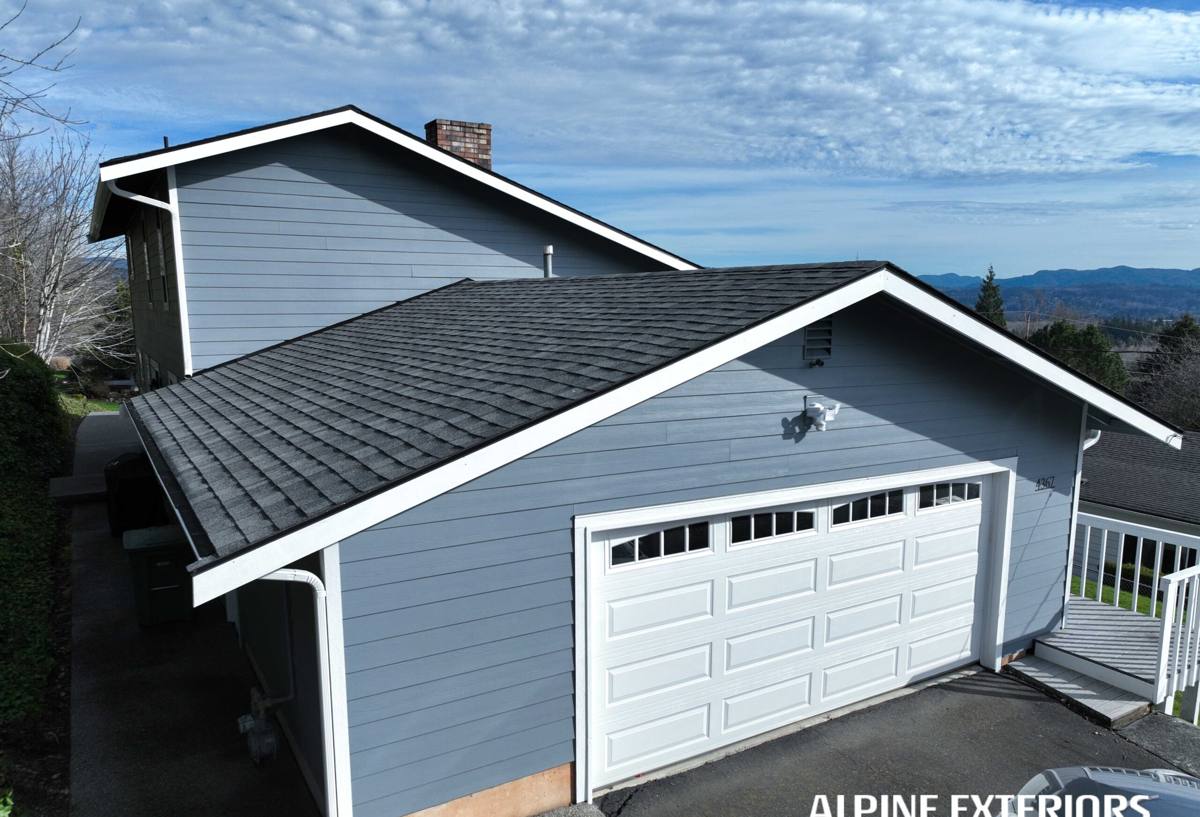
What Salt Air, Rain, and Moss Actually Do to a Shingle Roof
Salt and Marine Air Exposure
Salt-laden air accelerates corrosion on anything metal on your roof — flashing, drip edge, nail heads, and vent stacks. Once corrosion starts at a fastener or flashing seam, water finds its way in long before the shingles themselves show any wear. This is why the metal components of a roof system matter as much as the shingles in a coastal-influenced climate like Bellingham's.
Driving Rain and Wind-Driven Water
Storms coming off the water don't just drop rain straight down — wind pushes it sideways and up under shingle edges, especially at eaves, valleys, and anywhere two roof planes meet. A roof that would perform fine in a calmer climate can leak in Bellingham if the underlayment, flashing laps, and fastening pattern weren't built to handle wind-driven water specifically.
Moss and Organic Growth
Whatcom County's long wet season and the tree cover typical around Silver Beach create ideal conditions for moss, lichen, and algae to take hold on a roof. Moss isn't just cosmetic — it holds moisture against the shingle surface, works its way under tabs as it grows, and can lift shingles enough to let water underneath. Roofs on the shaded, north-facing slopes common in this area are especially prone to it.
What a Correctly Installed Asphalt Shingle Roof Includes
A roof that's going to hold up under Silver Beach conditions needs every layer underneath the shingles done right — not just a good-looking shingle on top.
Underlayment and Ice-and-Water Protection
We use synthetic underlayment as the primary water barrier under the shingle field, with self-adhering ice-and-water membrane at eaves, valleys, and any low-slope transitions where water sits longest or moves fastest. In a climate that sees rain most months of the year, this layer does far more day-to-day work than most homeowners realize.
Flashing at Every Penetration and Transition
Chimneys, skylights, vent stacks, and roof-to-wall intersections are where the overwhelming majority of shingle roof leaks start — not in the open field of shingles. Correct flashing, properly lapped with the underlayment and shingles rather than just caulked over the top, is non-negotiable on a roof that has to deal with wind-driven rain.
Ventilation That Matches the Attic
Balanced intake and exhaust ventilation keeps the attic dry and temperature-stable, which protects the shingles from underneath and helps prevent the moisture buildup that feeds moss and mildew. A roof can be installed perfectly on the outside and still fail early if the attic underneath is trapping humid air.
Fastening and Nailing Pattern
Shingle manufacturers specify nail placement and count for a reason, and wind exposure near the water is exactly the scenario those specs are written for. We follow manufacturer nailing patterns to the letter, not the minimum needed to pass a quick look.
Choosing the Right Shingle for a Silver Beach Home
Not every asphalt shingle product is a good match for this climate. The table below compares the main options we discuss with Silver Beach homeowners.
| Shingle Type | Typical Lifespan | Best Fit For | Consideration in This Climate |
|---|---|---|---|
| 3-Tab Asphalt | 15–20 years | Budget-conscious re-roofs | Lower wind rating; less margin against driving rain and gusts off the water |
| Architectural (Laminate) Asphalt | 25–30 years | Most Silver Beach homes | Thicker profile and higher wind rating; better performance under wind-driven rain |
| Algae-Resistant (AR) Shingles | Same as base product | Shaded lots, north-facing slopes | Copper-infused granules slow algae and moss growth on damp, shaded roof sections |
| Impact-Rated (Class 3/4) Shingles | 25–30+ years | Homeowners prioritizing longevity | More resistant to debris impact from falling branches, common under tree cover |
For most homes in this neighborhood, we recommend a mid-to-upper-tier architectural shingle with algae-resistant granules. The upfront cost difference over a basic 3-tab is modest compared to the added wind performance and slower moss colonization, which matters more here than in a drier, less shaded part of the county.
Our Process for a Silver Beach Roofing Project
Inspection and Honest Assessment
We start with a full roof inspection — not just a look from the ground — checking the shingle field, flashing, ventilation, and any visible moss or moisture damage. We'll tell you plainly whether you're looking at a repair, a partial re-roof, or a full replacement, and why.
Written Estimate
You get a clear, itemized estimate before any work starts: materials, tear-off, disposal, flashing and ventilation work, and labor. No surprise add-ons once the crew is on the roof.
Tear-Off and Deck Inspection
On a full replacement, we remove the old roofing down to the deck and inspect the sheathing for rot or soft spots — common where moss has held moisture against the roof for years. Any damaged decking gets replaced before new underlayment goes down, not covered over.
Installation
Underlayment, ice-and-water membrane, flashing, and shingles go on following manufacturer specifications for this wind and moisture exposure, with attention to every valley, penetration, and edge detail described above.
Cleanup and Final Walkthrough
We clear the site of old materials and debris, do a magnetic sweep for stray nails, and walk the finished roof with you so you know exactly what was done.
Maintenance Silver Beach Homeowners Should Plan For
Even a well-installed roof in this climate benefits from regular upkeep. Here's what we recommend keeping on a schedule:
- Gutter cleaning at least twice a year, more often if you have overhanging trees, to prevent water backing up under the shingle edge
- Moss removal using proper low-pressure methods and roof-safe treatments — never a pressure washer, which can strip granules and shorten shingle life
- Annual visual inspection of flashing around chimneys, skylights, and vent stacks for corrosion or lifted edges
- Trimming back tree limbs that overhang the roof to reduce shade, debris, and abrasion
- Prompt attention to any interior ceiling stains or attic moisture, which almost always trace back to a roof issue worth catching early
Signs Your Silver Beach Roof Needs Attention
A few warning signs come up consistently on roofs in this area:
- Thick moss or algae streaking on north-facing or shaded slopes
- Granules collecting in gutters or at downspout outlets
- Shingle tabs that look lifted, curled, or cupped, especially after a windy storm
- Rust staining or visible corrosion around flashing and vent stacks
- Any water stain on an interior ceiling or in the attic, even a small one
None of these automatically mean a full replacement, but they're worth a professional look before the next storm season rather than after a leak shows up.
Why Hiring a Crew That Already Works in Silver Beach Matters
A roof detailed for a dry climate elsewhere in the state won't necessarily hold up here, and a crew unfamiliar with this specific mix of salt-influenced air, wind-driven rain, and heavy tree shade can miss the details that actually matter — the flashing lap at a valley, the underlayment choice, the shingle rated for the wind exposure your lot actually sees. We work on roofs throughout Bellingham and Whatcom County, and we bring that local pattern recognition to every estimate: what tends to fail first on homes like yours, what's overbuilt and unnecessary, and what's genuinely worth the money.
Get a Straight Answer on Your Roof
If you're dealing with moss buildup, a slow leak, storm damage, or simply want an honest read on how much life is left in your current roof, we're glad to take a look. Fill out the form below for a free, no-pressure estimate — we'll walk the roof, explain what we find in plain terms, and give you options that fit your home and your budget.