 Bellingham Roofing
 Storm Damage Roof Repair Built for Sunnyland's Weather
Sunnyland sits close enough to Bellingham Bay that its roofs deal with a different combination of stresses than homes further inland in Whatcom County. Wind off the water, long stretches of driving rain, salt-laden air, and a moss season that barely takes a break all work on a roof at the same time, not one at a time. When a storm passes through and does visible or hidden damage, the repair has to account for all of that, not just patch the one spot that's leaking.
This page covers what storm damage repair actually involves for a Sunnyland home, what our process looks like from the first call to the final walkthrough, and why it matters to hire a crew that already understands this specific neighborhood's roofing conditions rather than a general contractor working from a checklist.
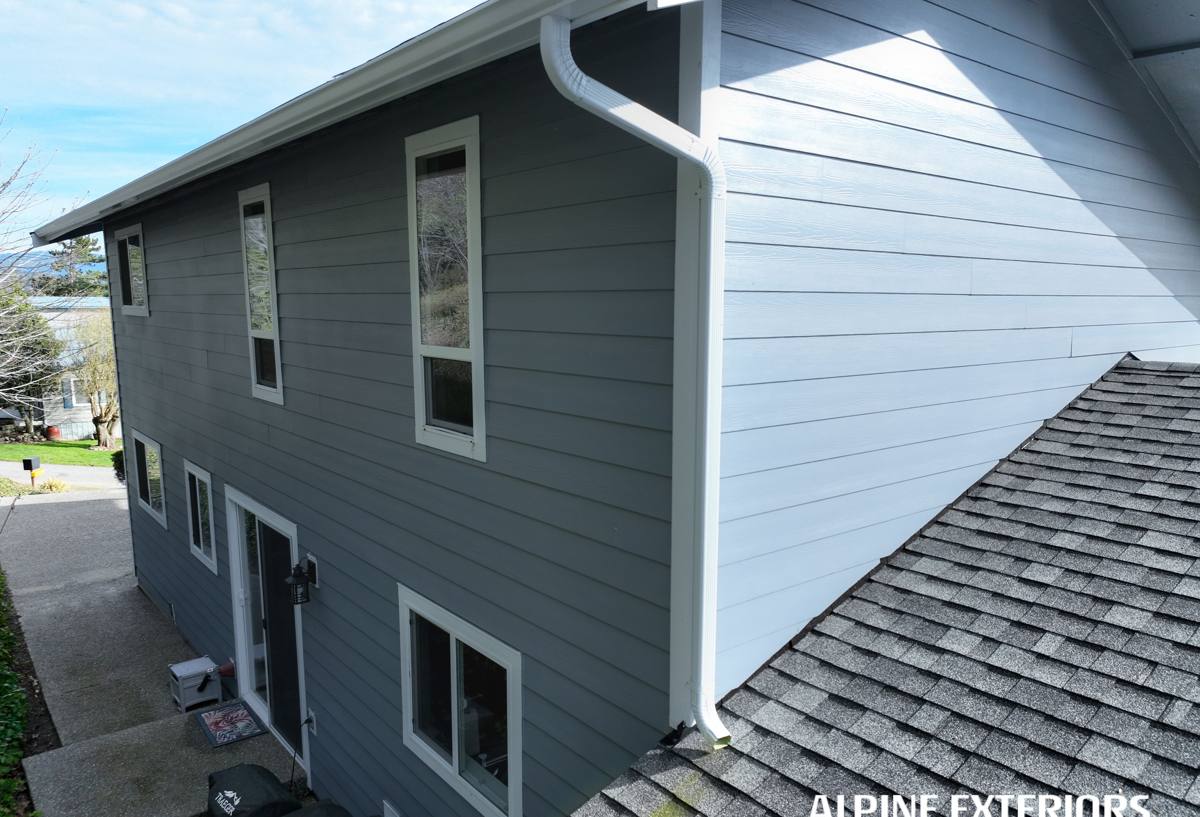
What Bellingham Storms Actually Do to a Roof
Wind and rain don't damage a roof the same way everywhere. In Sunnyland, we typically see a few recurring patterns tied directly to the local climate.
Wind-Driven Rain Finds the Weak Points
Bellingham storms rarely come straight down. Wind pushes rain sideways and upward under shingle edges, ridge caps, and flashing that would stay dry in a calmer climate. A roof that's watertight in light rain can still leak during a windstorm because the water is being forced into gaps it normally wouldn't reach.
Salt Air Accelerates Metal Wear
Being close to the bay means airborne salt settles on the roof over time. It speeds up corrosion on exposed fasteners, flashing, and any unpainted metal components. A storm doesn't cause this on its own, but it often exposes metal that's already been weakened by years of salt exposure, and that's usually where a leak shows up first after high winds.
Moss Holds Moisture Against the Roof Deck
Whatcom County's mild, damp climate keeps moss growing on north-facing and shaded slopes for most of the year. Moss doesn't blow off in a storm — it soaks up the extra rain and holds it against the shingles and deck longer than bare roofing would. That prolonged moisture is what turns a minor storm-related shingle lift into a rot problem if it isn't addressed quickly.
Debris Impact
Sunnyland has a good tree canopy, which is part of what makes the neighborhood pleasant to live in, but it also means branches and cones come down during wind events. Impact damage can crack shingles, dent flashing, or knock granules loose in ways that aren't always obvious from the ground.
Signs Your Roof Needs a Storm Damage Inspection
Not all storm damage is dramatic. Some of the most costly problems start small and stay hidden until they've caused interior damage. After any significant wind or rain event, it's worth checking for:
- Shingles that look lifted, curled, or are missing entirely, especially on the side of the roof that faced the wind
- Granules collecting in gutters or at the base of downspouts
- New or worsening water stains on interior ceilings or upper walls
- Soft or spongy spots when walking the attic (if safely accessible)
- Flashing that's visibly bent, lifted, or pulled away around chimneys, vents, or roof-to-wall joints
- Daylight visible through the roof deck from inside the attic
- Sagging sections, particularly where moss or debris has been sitting for a while
- Dented or cracked skylight frames, vents, or metal caps
If any of these are present, the roof should be looked at before the next rain, not after the next leak.
What a Correct Storm Damage Repair Involves
Stopping Further Damage First
If a roof has active exposure, whether from missing shingles or a torn section, the first priority is a temporary, weathertight cover to stop water from getting into the deck and attic while a permanent repair is planned. Skipping this step, or doing it poorly, is how a $600 repair turns into a $6,000 one.
A Full Inspection, Not Just a Spot Check
Wind damage is rarely limited to the one spot that's leaking. A proper inspection covers the whole roof plane, the flashing details, the ridge and eaves, and the attic side of the deck. In a storm-driven repair, we're specifically looking for damage the homeowner wouldn't see from the ground, since that's usually where the next leak starts.
Matching Repairs to the Existing Roof System
Storm repairs need to tie into the surrounding roofing correctly, with proper shingle layering, fastening patterns, and flashing integration, so the repaired section performs as one continuous water-shedding system rather than a patch sitting on top of it. A repair that isn't woven into the existing roof correctly often fails again in the next windstorm, right at the seam.
Addressing the Underlying Moisture Issue
Given how much moss and standing moisture factor into roof damage here, a storm repair on a Sunnyland home should also address any contributing moss buildup or drainage issues nearby, not just the storm-damaged section. Repairing a leak without dealing with the moss that's been feeding it is a short-term fix.
Deck Repair When Needed
If water has been getting into the deck for any length of time before the repair, the plywood or sheathing underneath may be soft or delaminated. That has to be replaced, not covered over, or the new shingles will be sitting on an unstable base.
Repair or Replacement: How We Help You Decide
Storm damage doesn't always mean a full roof replacement, and it doesn't always mean a simple patch either. The right call depends on the roof's age, how widespread the damage is, and what condition the rest of the roofing is in.
| Factor | Repair Is Usually the Right Call | Replacement Should Be Considered |
|---|---|---|
| Roof age | Roof is under 15-20 years old, with life left in the shingles | Roof is near or past its expected service life |
| Extent of damage | Damage is limited to one section or a few isolated spots | Damage is spread across multiple roof planes |
| Deck condition | Deck underneath is solid and dry | Deck shows widespread rot or soft spots |
| Shingle condition elsewhere | Remaining shingles are still flexible and granule-covered | Remaining shingles are brittle, curling, or bald in other areas |
| History of leaks | This is a first or isolated storm-related issue | Roof has a pattern of repeat leaks or repairs over the years |
We'll always give you a straight answer on which category your roof falls into, along with the reasoning behind it, so you're not guessing.
Our Storm Damage Repair Process
- Contact and priority scheduling — Active leaks and exposed decking get moved up in the schedule, since delay is what causes secondary damage.
- On-site inspection — We check the full roof, not just the reported problem area, and document what we find.
- Written estimate — You get a clear explanation of what's damaged, what needs to happen, and what it costs, before any work starts.
- Temporary protection if needed — Tarping or emergency sealing to stop water intrusion while materials are sourced.
- Repair work — Deck repair if needed, correct flashing and underlayment integration, and shingle work matched to your existing roof.
- Final walkthrough — We show you what was done and what to watch for going forward.
Working With Insurance on Storm Claims
Many storm damage repairs in this area are covered in part by homeowners insurance, particularly when the damage is tied to a specific wind event. We can document the damage clearly with photos and a written scope of work that you can submit to your adjuster. We're not an insurance company and won't promise a specific claim outcome, but we can make sure the damage is properly recorded before repairs cover it up, which matters if you decide to file a claim.
Why It Matters to Hire a Crew That Already Works in Sunnyland
A roofer who works across Bellingham and Whatcom County regularly sees how this specific coastal climate behaves on real roofs, not just in general roofing guidelines. That means recognizing early salt-related wear on flashing before it fails outright, knowing which slopes in a shaded, tree-covered neighborhood tend to hold moss longest, and understanding how wind direction off the bay typically drives water into a roof during a storm. It also means being available quickly when a storm hits the whole area at once, since local crews aren't starting from a cold lead when Sunnyland residents need help.
A repair that looks fine on a dry, calm day isn't the test. The test is how it holds up during the next wind-driven rain off the bay, and that's the standard we build every storm repair to.
Get a Free, No-Pressure Estimate
If your Sunnyland home has visible storm damage, a slow leak you can't quite locate, or you just want a roof checked after a recent windstorm, we're happy to take a look and give you an honest assessment. There's no obligation and no pressure — just a clear picture of what's going on and what it would take to fix it right. Fill out the form below to get started.