 Bellingham Roofing
 New Roof Installation in York, Bellingham
York is one of Bellingham's older, established residential neighborhoods, and that history shows up on its rooflines. Homes here span a wide range of ages and roof styles, sit under a good amount of mature tree canopy, and face the same weather every other part of Whatcom County deals with: salt-laden air rolling in off Bellingham Bay, long stretches of driving rain from fall through spring, and a moss season that can run most of the year on shaded, north-facing slopes. A new roof installed here has to be built for that combination, not just installed to code and left alone.
This page covers what a correct new roof installation looks like specifically for York homes — the material and design decisions that matter locally, what our process involves from first inspection to final walkthrough, and why a crew that already works in this neighborhood tends to catch things a generalist crew misses.
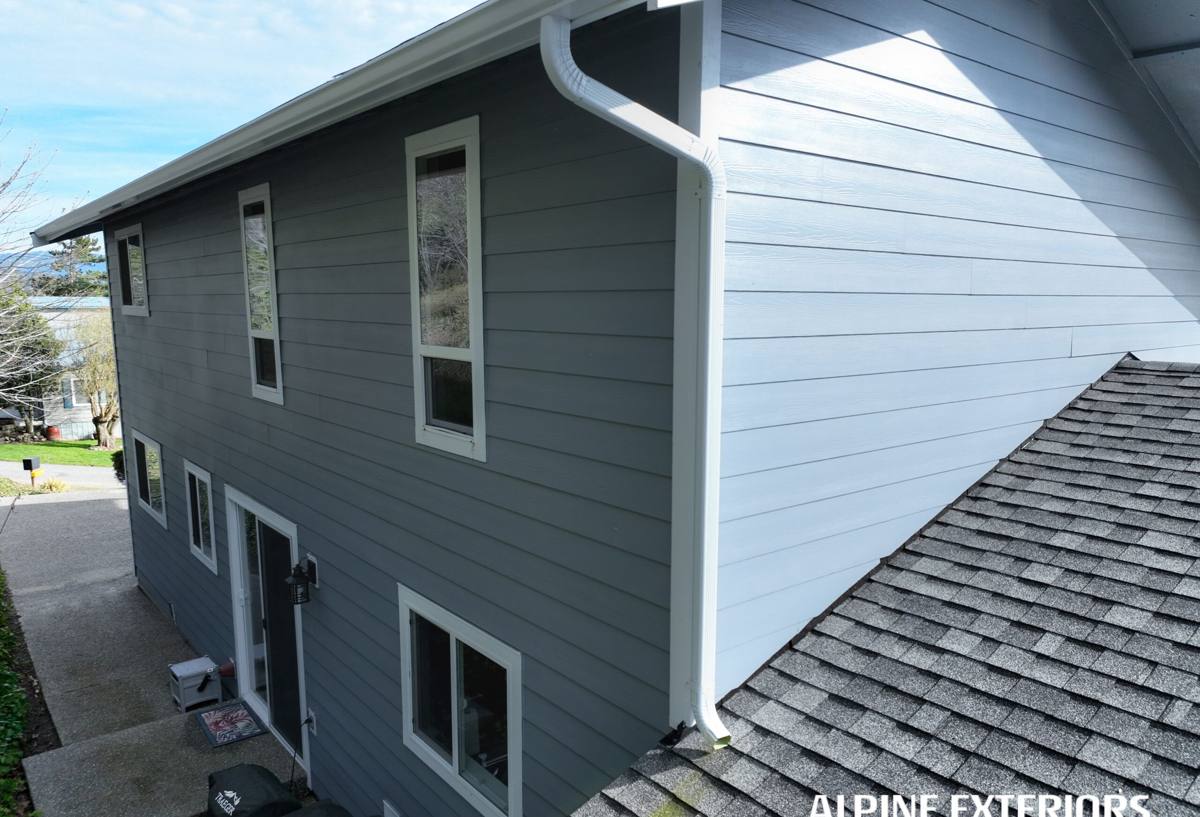
Why York Homes Have Specific Roofing Needs
Older Homes, Varied Roof Pitches
Because York includes a mix of older and newer construction, roof pitches and framing details vary more than in a newer subdivision built to one set of plans. Some roofs are steep enough to shed water and debris quickly; others are low-slope additions, porch roofs, or dormers where water sits longer and needs more deliberate detailing at every seam. A correct installation treats each of these differently instead of applying one blanket approach to the whole roof.
Tree Cover and Shade
Mature trees are part of what makes this neighborhood pleasant to live in, but they're also the biggest driver of moss and algae growth on the roofs underneath them. Shaded sections stay damp far longer after a storm than sun-exposed sections, which changes how fast moss establishes and how often a roof needs attention. A roof design that ignores shade patterns on a specific lot is planning for average conditions that don't actually exist on that property.
What a Correct New Roof Installation Involves
A roof that looks finished from the ground can still be wrong underneath. The materials you can see — shingles, ridge caps, trim — only work as well as the layers you can't see. In a climate like Bellingham's, those hidden layers matter more, not less.
Deck Inspection and Repair
Once the old roofing is stripped, the deck underneath gets a real inspection — not a glance. Any plywood or sheathing that's soft, delaminated, or stained from a past leak gets replaced before anything new goes down. Installing new roofing over a compromised deck is one of the most common ways a "new" roof fails early, and it's not something you can see or fix after the fact without tearing back into it.
Water and Ice Barrier
Self-adhering waterproof membrane goes down at eaves, valleys, and any roof-to-wall transition — the spots where wind-driven rain is most likely to force its way under the primary roofing. Given how much of our weather here arrives sideways off the Strait, this layer is not optional detailing; it's the difference between a roof that sheds water and one that just slows it down.
Ventilation
Balanced intake and exhaust ventilation keeps the attic close to outdoor temperature and controls moisture buildup from the inside. Poor ventilation traps humidity under the deck, which accelerates rot from underneath and can void shingle warranties that require it. On a shaded, damp lot like much of York, ventilation is doing real work, not just meeting a code minimum.
Flashing Details
Chimneys, skylights, vent pipes, and wall intersections are where the vast majority of roof leaks actually start — not out in the open field of the roof. Correctly formed and layered flashing, not just caulk or roof cement, is what keeps water out at these transitions for the long run.
Choosing the Right Material for a York Roof
There's no single "best" roofing material — there's the right material for the exposure, the roof pitch, and what the homeowner wants to maintain over time. The table below compares the main options we install, with an eye toward how each one handles our specific climate.
| Material | Moss & Moisture Resistance | Typical Lifespan | Maintenance |
|---|---|---|---|
| Architectural asphalt shingle | Good with algae-resistant granules; still needs periodic moss removal in shaded areas | 25–30 years | Moderate — periodic cleaning, gutter checks |
| Standing seam metal | Excellent — smooth surface sheds moss and debris | 40–50+ years | Low |
| Synthetic/composite shingle | Very good — engineered for wet-climate performance | 30–50 years | Low to moderate |
| Wood shake | Poor without diligent upkeep — retains moisture and moss readily | Varies widely with maintenance | High |
We don't install wood shake as a default recommendation in Bellingham's climate. It's not that the product is inherently bad — it's that in a marine climate with this much shade and moisture, shake needs a level of ongoing maintenance most homeowners don't want to keep up with, and the warranty structures on most shake products reflect that same trade-off. We'll always tell you honestly what a material needs from you over its life, not just what it costs going in.
Our Installation Process
- Inspection and estimate. We walk the roof, check the attic for ventilation and moisture signs, and give you a written estimate with material options — no pressure, no sales script.
- Prep and site protection. Landscaping, siding, and gutters get protected before tear-off starts. We also plan around expected weather rather than starting a full tear-off with rain in the forecast.
- Tear-off and deck assessment. Old roofing comes off down to the deck, which gets inspected and repaired as needed before anything new is installed.
- Water barrier, underlayment, and flashing. These layers go in first and get inspected before the visible roofing covers them.
- Installation of new roofing. Shingles, panels, or your chosen material go on to manufacturer specification, including proper nailing patterns and exposure — details that directly affect wind and warranty performance.
- Cleanup and magnetic sweep. Debris and stray fasteners are cleared from the yard and driveway before we consider the job done.
- Final walkthrough. We go over the finished roof with you and answer any questions before closing out the job.
Moss, Algae, and Long-Term Roof Care
Moss doesn't just look bad — it holds moisture against the roofing material, works its way under shingle edges, and can lift granules and tabs over time. In a neighborhood with as much tree cover as York, moss control isn't a one-time job, it's an ongoing part of owning the roof.
Zinc or copper strips installed near the ridge use rainwater runoff to inhibit moss growth on the slopes below them, and they're a reasonable long-term addition on shaded roofs. Beyond that, keeping gutters and valleys clear of needles and leaf litter matters more here than in drier climates, because standing debris holds water against the roof edge and gives moss and algae a place to start. We're happy to point out which parts of a specific roof are most exposed to this during an inspection.
Signs Your York Home May Need a New Roof
Not every roofing problem calls for full replacement, but a few signs together usually mean it's time to talk about it rather than keep patching:
- Shingles that are cupping, curling, or missing granules in large patches
- Daylight visible through the roof deck from inside the attic
- Soft or spongy spots when walking the roof
- Persistent moss growth that returns quickly after cleaning
- Water stains on interior ceilings or in the attic after heavy rain
- A roof approaching or past the expected lifespan of its material
- Visible sagging along the ridge or roof plane
If you're seeing two or more of these, it's worth getting an honest inspection rather than waiting for a leak to force the decision.
Why Hire a Crew That Already Works in York
A crew that regularly works this neighborhood already has a feel for its housing stock — the roof pitches, the framing quirks that show up in older homes, and how much shade a given block typically gets. That familiarity shows up in small ways: knowing to check certain valley and dormer details more closely, understanding what Whatcom County permitting and inspection actually require, and not treating a York roof like a cookie-cutter suburban tract job. It also means we're not guessing at how this specific stretch of coastline and tree cover behaves — we've seen it on other roofs nearby.
Bellingham Roofing Company is a local operation, and we'd rather earn a York homeowner's trust with straightforward answers than a sales pitch. If you're weighing a new roof, we're glad to take a look and give you a clear, honest assessment — including whether replacement is actually your best option right now, or whether repair still makes sense.
If you'd like a free, no-pressure estimate for a new roof installation on your York home, use the form below and we'll get in touch to schedule a time that works for you.