 Bellingham Roofing
 Why Birch Bay Windows Wear Differently Than Windows Inland
Birch Bay sits right on the water, and that changes the math on window replacement. A window on a home a few miles inland in Whatcom County ages at one pace. A window on a home facing Birch Bay itself, catching salt-laden wind and driving rain off the water, ages at another. Frames, hardware, seals, and glazing all take more punishment here, and the difference shows up years before a homeowner expects it — sticking sashes, fogged glass, corroded locks, and drafts that no amount of caulk seems to fix.
This page covers window replacement specifically for Birch Bay properties: what the coastal exposure actually does to a window over time, what a correctly done replacement involves, and why local experience with this stretch of coastline matters as much as the product you choose.
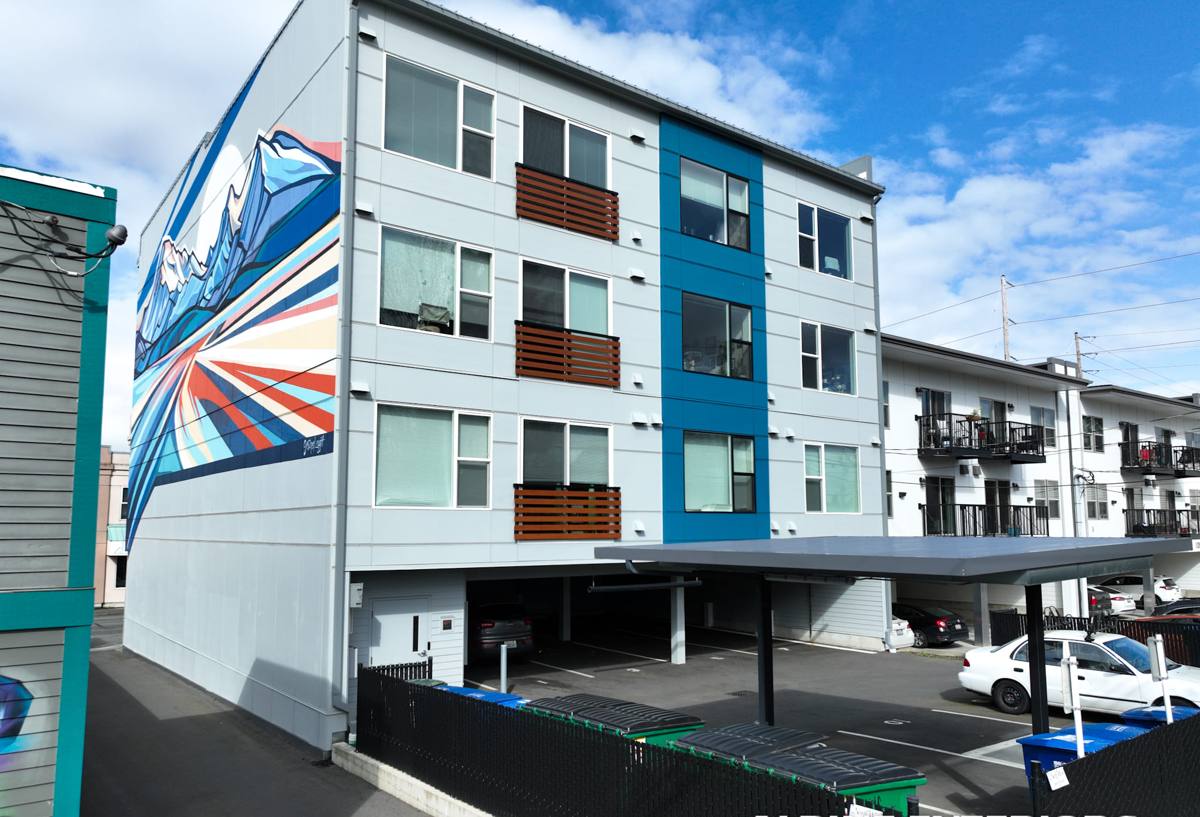
What Salt Air, Wind-Driven Rain, and Moss Season Do to Windows
Hardware and Frame Corrosion
Salt air is the biggest factor most homeowners underestimate. Airborne salt settles on window hardware, screen frames, and metal components and accelerates corrosion — locks that stick or won't latch, cranks that seize on older casement windows, and pitting on aluminum frames and hinges. This happens gradually, so it's easy to write off a stiff lock or a hard-to-close sash as normal wear rather than an early warning sign.
Seal and Glazing Failure
Modern insulated glass units depend on a sealed air or gas space between panes, held together by an edge seal. Constant temperature swings, wind pressure, and moisture exposure stress that seal faster near open water than in a sheltered inland yard. Once it fails, you get fogging or condensation trapped between the panes — a problem no cleaning or re-caulking will solve, because the seal itself is broken.
Wood Rot and Trim Damage
Whatcom County's long wet season and moss growth aren't just a roofing issue. Trim, sills, and any exposed wood around a window stay damp longer here, especially on north- and west-facing walls that don't get much sun to dry out between storms. Moss and algae hold moisture against wood and paint, and over a few seasons that turns into soft sills, peeling paint, and rot that spreads into the framing behind the window if it's not addressed.
Signs It's Time to Replace, Not Repair
Not every window problem calls for full replacement — but on a coastal property, a few signs are reliable indicators that repair is only delaying the inevitable:
- Fogging or a milky haze between the panes that doesn't clear (failed seal)
- Windows that are difficult to open, close, or lock, especially after damp weather
- Visible corrosion, pitting, or white powdery buildup on metal hardware or frames
- Soft, spongy, or discolored wood at the sill, jamb, or exterior trim
- Noticeable draft or cold spot near the window even with it fully closed
- Condensation forming on the inside of the glass regularly during cooler months
- Peeling paint or a musty smell concentrated around one or two specific windows
One or two of these on a single window might mean a targeted repair. Several of them across a home, or any sign of rot reaching into the framing, generally means replacement is the more honest recommendation — patching a failing frame usually costs more over time than doing it right once.
What a Correct Window Replacement Job Involves
Full-Frame vs. Insert Replacement
There are two basic approaches. An insert (or "pocket") replacement fits a new window into the existing frame, keeping the surrounding trim and exterior finish intact — faster and less invasive when the old frame is still structurally sound. A full-frame replacement removes the window down to the rough opening, including the old frame, so the installer can inspect and address whatever is behind it. On a Birch Bay home where moisture and rot are realistic concerns, we don't default to the insert method just because it's quicker — we look at the actual condition of the frame and sill first, because installing a new window into a compromised opening just seals the problem in.
Flashing and Weatherproofing Details That Matter Here
The window itself is only part of the job. What keeps water out over the next twenty years is the flashing, house wrap integration, and sealant work around it — details that matter more with driving rain coming off open water than they do on a sheltered inland wall. That means proper sill pan flashing to direct any water that gets past the exterior back out rather than into the wall cavity, correctly lapped house wrap so water sheds over the flashing rather than behind it, and sealant used at the right joints — not as a substitute for flashing, but in addition to it. Skipping or rushing this step is the single most common reason a "new" window still leaks or rots out early.
Choosing Window Materials for a Birch Bay Home
Frame material matters more here than it would a few miles inland, because it's constantly exposed to salt air and moisture. Here's how the common options hold up in that environment:
| Material | Coastal / Salt Air Performance | Maintenance | Notes |
|---|---|---|---|
| Vinyl | Good — won't corrode or rot; UV-stable options hold color well | Low | Cost-effective, solid standard choice for most coastal homes |
| Fiberglass | Very good — dimensionally stable, resists warping in temperature swings | Low | Higher upfront cost, strong long-term coastal performer |
| Aluminum-clad wood | Good on the exterior face, but hardware and joints still need attention | Moderate | Warm interior look with a protected exterior; watch cladding seams |
| Bare wood | Poor unmaintained — most exposed to rot and paint failure near open water | High | We generally steer clients away from unclad wood on direct water-facing walls; the maintenance burden and rot risk are simply higher in this exposure |
| Uncoated aluminum | Poor — prone to pitting and corrosion in salt air over time | Moderate | Better suited to sheltered, non-coastal applications |
We're not steering anyone toward a single brand — we're steering toward frame materials and hardware finishes (stainless or corrosion-resistant coated hardware, in particular) that hold up to this specific exposure. Glass package matters too: a quality dual-pane unit with a Low-E coating and argon fill is the standard baseline we recommend for this climate, balancing energy performance, condensation resistance, and cost.
Our Process, Start to Finish
- On-site assessment — we look at each window's actual condition, not just its age, including sills, framing, and any signs of moisture intrusion
- Honest scope and options — a written recommendation covering repair-vs-replace, insert-vs-full-frame, and material options with real trade-offs explained
- Careful removal — old units and any compromised trim or sheathing removed without unnecessary damage to surrounding siding
- Inspection behind the opening — checking for hidden rot or water damage before anything new goes in, since this is the one point in the job where that framing is actually visible
- Proper flashing and weatherproofing — sill pans, house wrap integration, and sealant done in the correct order, not shortcuts
- Installation and adjustment — window set plumb and square, hardware tested, and gaps insulated correctly
- Final walkthrough — operation, seals, and finish work checked with the homeowner before we call it done
Cost Factors for Birch Bay Window Replacement
There's no single number that applies to every home, but the main variables that move the price are consistent:
| Factor | Why It Matters |
|---|---|
| Insert vs. full-frame replacement | Full-frame costs more but is often necessary once rot or frame damage is present |
| Frame material | Vinyl is generally the most budget-friendly; fiberglass and clad-wood cost more upfront |
| Window size and configuration | Large picture windows, bays, or custom shapes cost more than standard double-hung sizes |
| Condition of the existing opening | Hidden rot or water damage found during removal adds repair scope |
| Glass package | Upgrades like triple-pane or specialty coatings add cost but may not be necessary in this climate |
| Number of windows done at once | Bundling multiple windows in one visit is typically more efficient than doing them one at a time |
We give straightforward, itemized numbers after the on-site assessment — not a ballpark over the phone, because the condition behind the old window genuinely affects the price.
Why Hiring a Crew That Already Works in Birch Bay Matters
Window replacement done well requires understanding the specific conditions a home faces — and a crew that regularly works this stretch of Whatcom County coastline already knows what to look for: which wall orientations take the worst of the wind-driven rain, how quickly moss and moisture build up on shaded trim, and what corrosion on hardware typically looks like at different ages here versus an inland home. That's not something a generalist crew from outside the area necessarily accounts for on their first job in a salt-air environment. It shows up in the small decisions — which sealant to use, how much attention the flashing gets, which hardware finish is specified — that determine whether a window is still performing well in ten years or already showing problems in three.
Whatcom County's long rainy season and coastal exposure mean a window replacement here isn't a purely cosmetic upgrade — it's weatherproofing work with an aesthetic result attached. Homes directly on Birch Bay see more of this exposure than almost anywhere else in the area, which is exactly why the details above matter more here than on a typical inland job.
If you're seeing fogged glass, stiff hardware, drafts, or soft trim around your windows, we're glad to take a look and give you a straightforward, no-pressure assessment. Use the form below to request a free estimate.