 Bellingham Roofing
 Windows in Edgemoor Face a Different Set of Problems
Edgemoor sits close enough to Bellingham Bay that salt-laden air, wind-driven rain, and long stretches of gray, damp weather are just part of living there. Older wood and aluminum windows in this neighborhood take a beating from that combination in ways homes further inland simply don't experience. Salt air accelerates corrosion on hardware and metal frames. Driving rain off the water finds its way into any gap in flashing or sealant. And the long moss season that Whatcom County is known for keeps siding, trim, and window sills damp for weeks at a time, which invites rot in wood-framed windows and slow deterioration in poorly sealed vinyl units.
None of this means Edgemoor homes need exotic solutions. It means the details that get skipped on a rushed installation elsewhere in Bellingham cannot be skipped here. Flashing, sealant selection, and frame material all need to account for what this specific microclimate throws at a house.
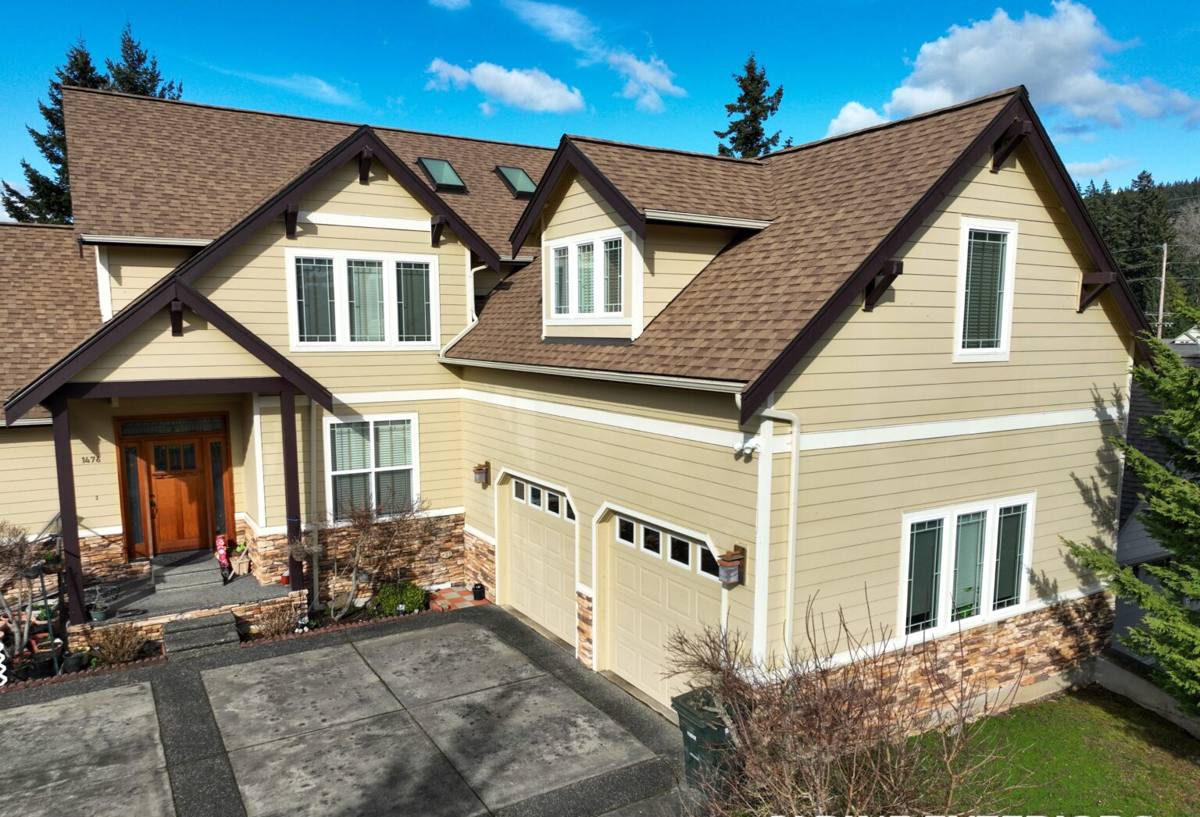
What "Correct" Actually Means for a Window Install Here
Flashing Comes First
Most window failures we're called out to inspect in this part of Bellingham aren't glass failures — they're water intrusion failures. Water gets behind the window through a gap in the flashing, runs down inside the wall cavity, and rots framing long before anyone notices a problem on the interior. A correct installation integrates the window flashing with the home's existing weather-resistive barrier (house wrap or building paper) using a shingle-lap method, so water is always directed outward and downward, never trapped against the sheathing.
Sealant Selection and Placement
Not every gap should be sealed solid. The bottom of a window opening needs a drainage path — a way for any water that does get past the exterior seal to escape rather than pool. Sealing the sill fully closed, which is a common shortcut, traps moisture instead of releasing it. We seal the sides and top of the window unit and leave the sill drainage path open, backed by proper flashing underneath.
Frame Material Matters More Near the Bay
Bare aluminum frames corrode faster in salt air, and their hardware — cranks, latches, hinges — tends to seize or pit years before the glass itself has a problem. Wood frames need consistent paint or clad protection to survive the moss season without soaking up moisture at joints and end grain. Vinyl and fiberglass frames handle the salt air and damp cycle with less maintenance, which is why they're the more common choice for full replacements in this neighborhood, though the right material always depends on the home's style and the homeowner's maintenance preferences.
Signs an Edgemoor Home Needs Window Replacement, Not Repair
- Fogging or moisture between the panes of a double-pane unit — the seal has failed and can't be restored
- Soft or spongy wood at the sill or bottom corners of the frame, especially on the weather-facing side of the house
- Visible corrosion or chalky white buildup on aluminum frames and hardware
- Persistent drafts even with the window latched, especially during wind events off the bay
- Paint that keeps failing at the same spot on wood trim year after year despite repainting
- Difficulty opening, closing, or latching windows that used to operate smoothly — often a sign the frame has shifted or swollen
- Visible daylight or gaps around the frame when viewed from inside during daytime
Repair makes sense when the problem is isolated — a failed seal on one otherwise sound unit, or hardware that needs replacing. Replacement is the right call when the frame itself is compromised, when multiple units on the same wall are showing the same symptoms, or when the home still has original single-pane or early dual-pane windows that were never built to today's performance standards.
How We Approach a Window Replacement Job
1. On-Site Assessment
We look at each window opening individually, not just the glass. That means checking the condition of the framing behind the trim, the state of any existing flashing, and whether there's evidence of past water intrusion. On a home with several problem windows, we'll often find that one or two openings have hidden rot that needs to be addressed before a new window goes in — installing a new unit into a compromised opening just delays the same failure.
2. Removal Without Collateral Damage
Old units come out carefully, with attention to the surrounding siding and interior trim. In Edgemoor's older housing stock, that often means working around lap siding or original trim details worth preserving rather than replacing wholesale.
3. Opening Prep and Flashing
Any soft framing gets addressed before anything new goes in. We install or repair flashing at the head, jambs, and sill, integrating it correctly with the existing weather barrier so the whole assembly sheds water the way it's supposed to.
4. Setting and Sealing the New Window
The unit gets shimmed level and plumb, fastened per manufacturer specification, insulated around the perimeter (without overpacking, which can bow the frame), and sealed with an appropriate exterior-grade sealant — with the sill drainage path left intact.
5. Interior and Exterior Finish
Trim, casing, and any siding disturbed during the install get finished to match, and the site is cleaned up before we call the job done.
Choosing the Right Windows for a Bay-Adjacent Home
| Factor | Why It Matters in Edgemoor |
|---|---|
| Frame material | Vinyl and fiberglass resist salt-air corrosion better than bare aluminum; wood requires ongoing maintenance to hold up through the wet season |
| Glazing (double vs. triple pane) | Double-pane, low-E glass is standard performance for this climate; triple-pane adds cost and weight with marginal benefit unless the home has unusual noise or exposure issues |
| Hardware finish | Corrosion-resistant hardware coatings last longer against salt air than standard finishes, especially on homes with direct bay exposure |
| Drainage design | Sill weep systems that actually clear debris matter more here than in drier inland areas, given how much rain the frame sees over a winter |
| Warranty structure | Look for warranties that separate glass seal failure from frame and hardware coverage — the failure modes are different and both matter in this climate |
We don't push a single brand as the answer for every home. The right window is the one that matches the home's exposure, the homeowner's maintenance appetite, and the budget — and we'll walk through those trade-offs honestly during the estimate rather than upselling features a particular house doesn't need.
Timing the Job Around Bellingham's Weather
Window replacement can happen most of the year in Whatcom County, but scheduling still matters. Openings are exposed to the elements for at least part of a day during installation, so we plan around forecasted rain rather than working through it — rushing an install to beat weather is how flashing gets done wrong. Late spring through early fall tends to offer the most predictable install windows, but a well-planned winter job is entirely workable when we're not fighting active storms off the water.
What to Expect Cost-Wise
Costs vary based on window size, frame material, number of openings, and whether any hidden rot or structural repair is needed once the old unit comes out. Rather than quote a number that doesn't reflect your home, we provide a written estimate after seeing the actual openings and their condition. Homes with original single-pane windows or visible water damage should expect the estimate to include some framing repair alongside the window units themselves — that's a normal part of doing the job right on an older Edgemoor home, not an upsell.
A Local Checklist Before You Hire Anyone
- Confirm the contractor is licensed and insured to work in Washington State
- Ask specifically how they handle flashing integration with existing house wrap — a vague answer is a red flag
- Ask whether the estimate includes an allowance for hidden rot, or whether that's a separate change order
- Ask about warranty coverage for both the window unit and the labor/installation separately
- Get references or examples of similar work done on homes near the water, not just anywhere in the county
Why Local Experience in Edgemoor Specifically Matters
A crew that mainly works drier, inland jobs can still install a window competently on paper and still get it wrong for this location, because the failure modes here are different. Salt air corrosion, driving rain off the bay, and a moss season that keeps everything damp for weeks change what "good enough" flashing and sealant work actually needs to look like. We work homes in Edgemoor and across Bellingham and Whatcom County regularly enough to know which details can't be shortcut on a bay-adjacent property, and we build every estimate and every install around that reality rather than a generic checklist.
If you're noticing drafts, fogged glass, sticking sashes, or soft trim around your windows, we're happy to take a look and give you a straightforward, no-pressure estimate — just fill out the form below to get started.