 Bellingham Roofing
 Asphalt Shingle Roofing Built for Birchwood's Weather
Birchwood is a settled, tree-lined residential neighborhood on the north side of Bellingham, and like most of Whatcom County it sits close enough to Bellingham Bay that salt-laden air is part of daily life, even blocks from the water. Add in the driving, wind-pushed rain that comes through in fall and winter storms, plus a moss season that can stretch from October well into spring under the tree canopy many Birchwood lots enjoy, and you have a roofing environment that punishes shortcuts. An asphalt shingle roof installed correctly for this climate can go the distance. One installed to a generic spec sheet, without accounting for what actually happens here, tends to show problems years before it should.
This page covers what a proper asphalt shingle roof for a Birchwood home actually requires, how we approach the job from estimate to cleanup, and why working with a crew that already knows this neighborhood's roofs matters more than it might seem.
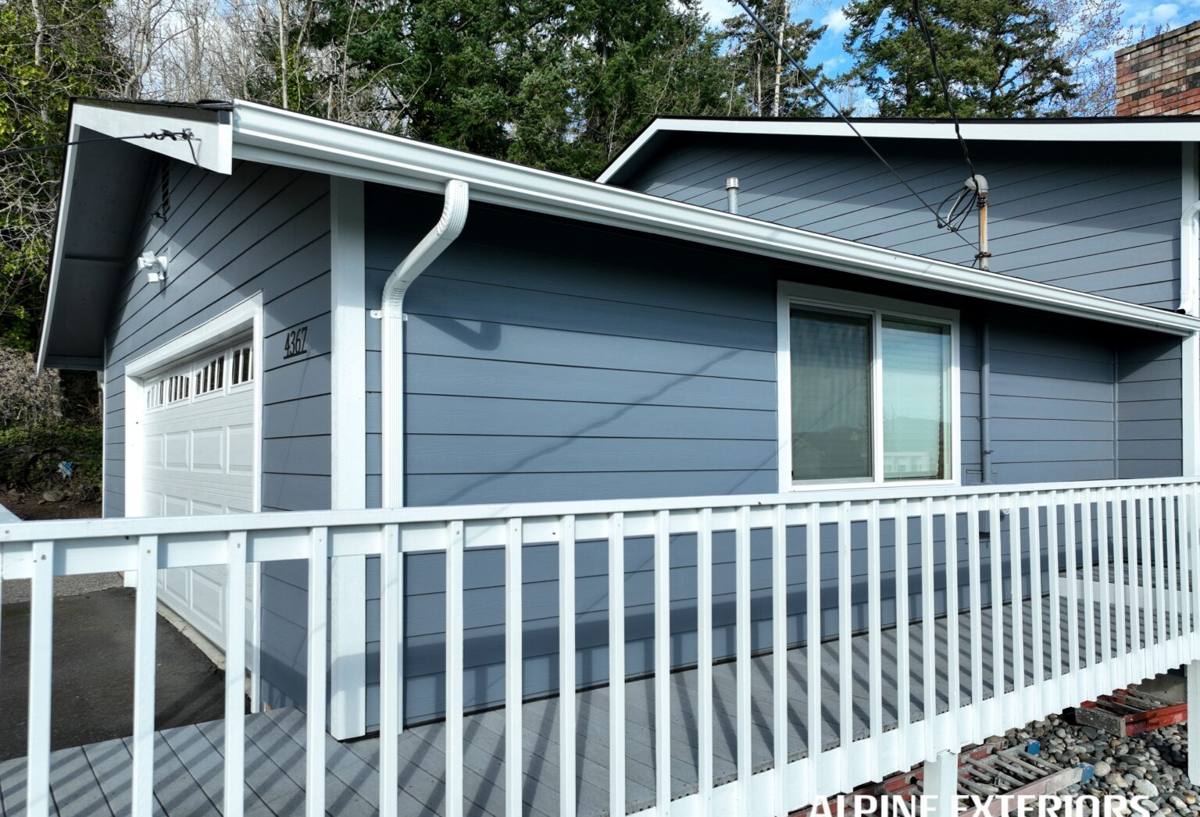
What Birchwood Homes Need From a Shingle Roof
Salt Air and Metal Components
Salt-laden air accelerates corrosion on exposed metal — nail heads, flashing, drip edge, and roof vents all take more of a beating near the bay than they would further inland. This doesn't mean asphalt shingles are a poor fit for Birchwood; it means the metal components paired with them need to be corrosion-resistant, and fasteners need to be rated for the exposure rather than whatever is cheapest at the supply house.
Driving Rain and Wind-Driven Moisture
Whatcom County storms frequently push rain sideways, not straight down. A roof that only sheds water well in calm conditions can still let moisture work backward under shingle tabs, around chimneys, and along wall-to-roof transitions during a real windstorm. This is a sealing and flashing issue more than a shingle issue, and it's where a lot of otherwise decent roofing jobs fail early.
Moss Season and Shade
Many Birchwood properties have mature trees, which are one of the neighborhood's better features and also a steady source of shade, debris, and moisture retention on the roof deck. Moss doesn't just look bad — it holds water against the shingle surface, works its way under tabs as it grows, and can lift shingles enough for wind and rain to get underneath. A roof in a shaded Birchwood yard needs a different maintenance rhythm than one in full sun on the other side of town.
What a Correct Installation Actually Involves
A shingle roof is a system, not a single product. Skipping or downgrading any one part of that system is usually where premature leaks and shortened lifespans come from.
Tear-Off and Deck Inspection
We remove the old roofing down to the deck rather than layering over it. This lets us actually see the plywood or OSB underneath, catch soft or delaminated spots — often from long-term moss moisture or an old slow leak — and replace only what needs it before anything new goes down.
Underlayment and Ice-and-Water Barrier
A synthetic underlayment goes down as the roof's backup layer of protection, and self-adhering ice-and-water barrier goes in the vulnerable spots: eaves, valleys, and around any roof penetration. In a climate with as much sustained wet weather as Whatcom County sees, this layer is doing real work most years, not just sitting there as insurance.
Ventilation
Proper intake and exhaust ventilation keeps the attic space closer to outdoor temperature and humidity. Without it, moisture gets trapped under the deck, which shortens shingle life from underneath and can encourage rot regardless of how good the shingles on top are. This matters in shaded, moisture-heavy Birchwood settings as much as anything on the surface.
Flashing Details
Chimneys, skylights, sidewalls, and valleys are where roofs actually fail — rarely in the open field of shingles. Correct step flashing, counter-flashing, and valley metal, properly lapped and sealed, is what keeps driving rain from finding its way in during a real storm.
Shingle Selection and Fastening
Shingles need to be nailed to the pattern the manufacturer specifies, at the correct count and placement, not just "close enough." Under-nailing or misplaced nails is one of the most common ways a wind warranty gets voided without the homeowner ever knowing.
Comparing Shingle Options for a Birchwood Roof
Not every asphalt shingle product performs the same way in a shaded, damp, salt-air-adjacent neighborhood. Here's how the common options stack up for this specific setting.
| Shingle Type | Typical Lifespan Here | Moss/Algae Resistance | Best Fit For |
|---|---|---|---|
| Standard 3-tab | Shorter end of the range in shaded, wet conditions | Lowest, no built-in resistance | Budget-driven projects, full-sun lots |
| Architectural (laminate) | Longer, thicker profile handles wind and moisture better | Moderate without algae-resistant granules | Most Birchwood homes; good balance of cost and durability |
| Algae-resistant architectural | Same as standard architectural | Built-in copper or zinc granules resist streaking and slow moss growth | Shaded, tree-covered lots — a strong fit for much of Birchwood |
| Impact-rated shingle | Comparable to architectural, added durability against debris | Varies by product, often paired with algae resistance | Properties with heavy tree cover or falling limb exposure |
For a lot of Birchwood homes under mature trees, the algae-resistant architectural option earns its slightly higher upfront cost back in reduced moss treatment and a cleaner-looking roof for longer. It's not the right call for every roof, and we'll tell you honestly when a standard architectural shingle makes more sense for your situation and budget.
Moss, Algae, and Salt Air: The Ongoing Reality
Even a well-installed shingle roof in a shaded Birchwood yard is going to deal with moss over its lifespan — that's the trade-off of the tree cover that makes the neighborhood pleasant to live in. The goal isn't a moss-proof roof; it's a roof that sheds moss safely and doesn't let it turn into a moisture problem.
- Keep gutters and valleys clear of needles and leaf debris, especially heading into the wet season
- Have moss removed by hand or low-pressure methods — never a pressure washer directly on shingles, which strips granules and shortens shingle life
- Trim back overhanging branches where reasonable to cut down on shade and debris load
- Have a zinc or copper control strip installed at the ridge during reroofing to slow future moss growth
- Schedule a roof check after major windstorms, since driving rain and wind are what expose weak flashing and lifted shingles
Salt air adds a slower, quieter wear pattern — mostly on fasteners, flashing, and any exposed metal trim. It's rarely dramatic, but it's a reason to use corrosion-resistant materials from the start rather than standard-grade components that are fine three states inland but wear faster this close to the water.
Our Process, From Estimate to Cleanup
Inspection and Honest Assessment
We start by getting on or above the roof, not just looking from the ground. We check the deck condition where accessible, existing ventilation, flashing condition, and how much moss or moisture damage is actually present versus cosmetic.
A Written, Itemized Estimate
You get a clear scope of work and pricing before anything is scheduled — what's being torn off, what underlayment and shingle products are proposed, and why, given what we found on your specific roof.
Tear-Off, Deck Repair, and Reroofing
We protect landscaping and siding during tear-off, replace any compromised decking, install the underlayment and flashing system properly, then install the new shingles to manufacturer specification.
Site Cleanup and Final Walkthrough
Nail sweeps and debris cleanup happen before we consider the job done, and we walk the finished roof and gutters with you so you know what was done and what to watch for going forward.
Signs a Birchwood Roof Needs Attention
- Granules collecting in gutters or at downspout outlets
- Moss visibly lifting shingle tabs, not just growing flat on the surface
- Dark streaking that doesn't wash off with light rinsing
- Curling, cracking, or missing shingles after a windstorm
- Soft spots or sagging visible from the ground or attic
- Daylight visible through the roof deck from inside the attic
- Rusting nail heads or corroded flashing at chimneys and vents
Any one of these on its own might not mean an urgent problem, but a few together are worth a professional look before the next storm season.
Why a Crew That Already Works in Birchwood Matters
A roofing crew that's worked other Birchwood homes already understands the tree canopy's effect on moss buildup, the wind exposure patterns storms bring off the bay, and what Bellingham's permitting and inspection process actually requires before work starts. That local familiarity means fewer surprises mid-project — the right materials are already on the truck, the crew already knows to check for the moisture patterns common to shaded lots in this part of town, and there's no learning curve at your expense.
It also means accountability. A crew based in and around Bellingham has a reputation in this community to maintain, which matters more than a sales pitch when you're choosing who gets on your roof.
What Affects the Cost of Your Roof
Every Birchwood roof is a little different, but the same handful of factors drive most of the price difference between jobs.
| Factor | Why It Matters |
|---|---|
| Roof size and number of facets | More square footage and more valleys, hips, and dormers mean more labor and material |
| Roof pitch | Steeper roofs require more safety setup and take longer to work on |
| Number of existing layers | Multiple old layers mean more tear-off labor and disposal cost |
| Deck condition | Rot or soft decking found during tear-off adds material and labor to replace it |
| Shingle tier selected | Standard versus algae-resistant or impact-rated products carry different material costs |
| Access and site conditions | Mature trees, tight driveways, or limited staging space common in established neighborhoods can affect setup time |
We won't know your exact number until we've actually looked at your roof, but these are the honest drivers behind any quote you get — from us or anyone else.
Ready for a Straight Answer on Your Roof?
If your Birchwood home's roof is showing moss buildup, storm damage, or is simply getting up in years, we're happy to take a look and give you a clear, no-pressure assessment of where things stand. Use the form below to request a free estimate, and we'll walk you through exactly what we find and what your options are.