 Bellingham Roofing
 Composite Decking Built for Bellingham's Wet, Mossy Climate
Columbia is one of Bellingham's older, more established neighborhoods — mature trees, a mix of home ages, and a lot of yards that stay shaded and damp for most of the year. That combination is hard on outdoor wood, and it's exactly the environment composite decking was designed to handle. But "composite" isn't a magic material that fixes bad installation. In a climate like ours — salt air drifting in off the bay, long stretches of driving rain, and a moss season that can run from October well into spring — how the deck is built matters as much as what it's built from.
This page covers what Columbia homeowners specifically need to think about with composite decking: the local conditions working against your deck, what a correct installation actually involves, and how we approach the job when we know the neighborhood.
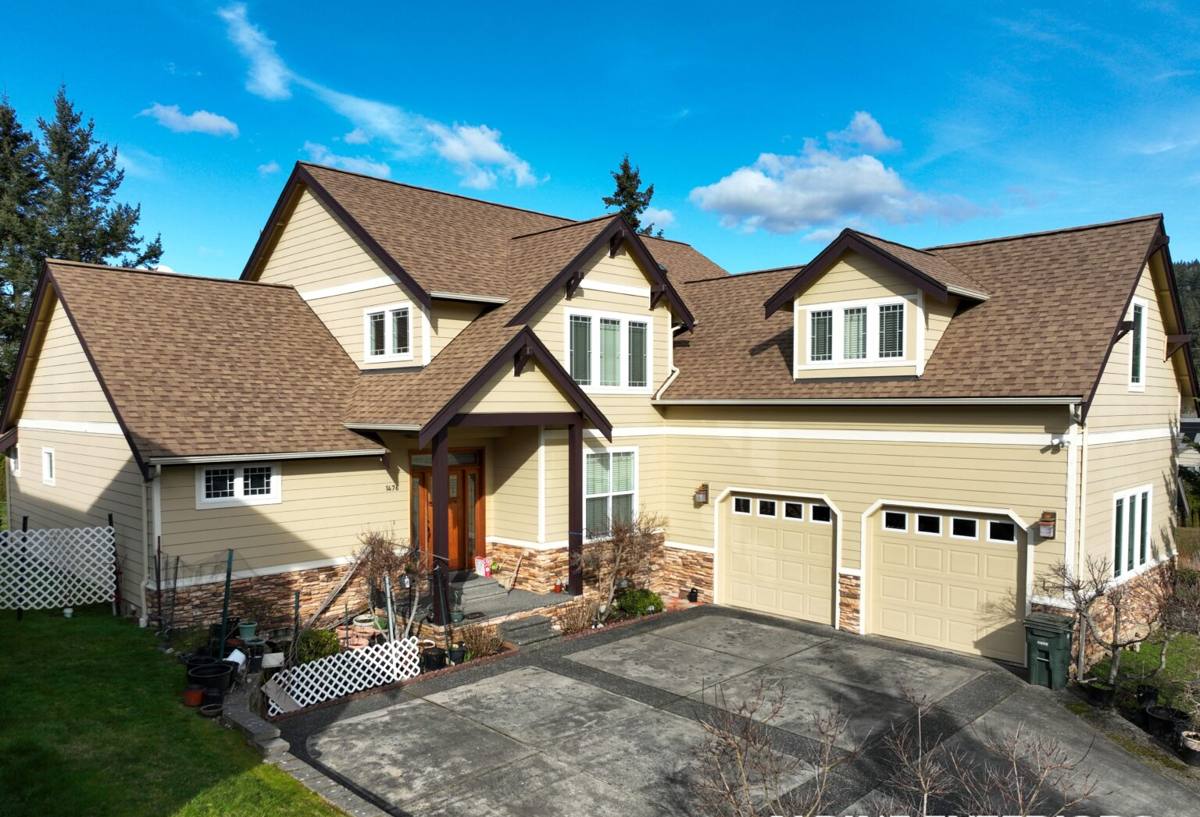
What Columbia Homes Are Up Against
Whatcom County's marine climate is mild, but mild doesn't mean easy on a deck. A few things stack up against outdoor structures here in particular:
Shade and Moisture Retention
Older lots with established canopy cover hold moisture longer after a storm than open, sun-exposed yards. Decking boards, joists, and ledger connections in shaded areas can stay damp for days at a time, which is exactly the environment moss, algae, and mildew need to take hold.
Driving Rain and Wind-Driven Moisture
Rain in this region rarely falls straight down. Wind pushes it sideways into ledger boards, house siding, and fastener points — the same places that cause rot and hidden damage in a deck that wasn't flashed correctly the first time.
Salt Air
Bellingham's proximity to the bay means a steady low level of salt in the air, even inland. Over years, that accelerates corrosion in unprotected metal hardware — screws, joist hangers, brackets — long before the decking boards themselves show any wear.
A Long Moss Season
Moss doesn't just grow on roofs here. Given a shaded, damp surface, it will colonize deck boards, stair treads, and railing caps too, creating a genuine slip hazard on top of being unsightly.
Composite vs. Wood: What Actually Holds Up
Wood decking isn't a bad material — it's just a higher-maintenance one in a climate like ours. Composite trades a lower material cost for lower long-term upkeep. Here's the honest comparison:
| Factor | Pressure-Treated Wood | Composite (Capped) |
|---|---|---|
| Upfront material cost | Lower | Higher |
| Annual maintenance | Staining/sealing, moss treatment | Occasional wash-down |
| Moisture/rot resistance | Depends on upkeep | Board itself won't rot |
| Moss and algae resistance | Poor if not treated regularly | Good, varies by product line |
| Splintering/cupping over time | Common as boards age | Minimal with capped products |
| Typical usable lifespan | 10-20 years with upkeep | 25-30+ years |
The gap in maintenance is the real story for shaded, wet lots. A wood deck in a damp part of Columbia may need re-staining or moss treatment every year or two just to stay ahead of the climate. A capped composite board sheds most of that burden, though it still needs periodic cleaning — composite resists staining and rot, but it isn't immune to surface algae buildup in a deeply shaded yard.
What a Correct Composite Deck Installation Involves
Most composite deck problems we get called out to inspect aren't material failures — they're installation shortcuts. In our climate, a few details separate a deck that lasts decades from one that has hidden rot within a few years.
Substructure and Framing
Composite boards are only as good as what's underneath them. Joists need to be spaced correctly for the specific board being used (this varies by product and by whether the boards run straight or at an angle), and the framing lumber itself needs to be rated for exterior exposure, not just whatever was on hand.
Ledger Flashing
Where a deck attaches to the house is the single most common source of long-term water damage, and it's invisible until it isn't. Correct flashing at the ledger board keeps wind-driven rain from working its way behind the siding and into the wall framing — a problem that has nothing to do with the decking material and everything to do with how the connection was built.
Fasteners and Hardware
Given the salt air here, we use fasteners and structural hardware rated for coastal or wet exposure — not standard interior-grade hardware that will corrode and stain the decking around it within a few seasons. Hidden fastener clip systems, where the board allows for them, also reduce the number of surface penetrations where moisture and grime can collect.
Drainage and Airflow Underneath
A deck built low to the ground, over poorly draining soil, in a shaded yard is a setup for trapped moisture underneath the structure — which shortens the life of the framing even if the decking on top looks fine. Grading, ground clearance, and in some cases a drainage layer underneath are part of doing this correctly on the kind of lots common in this neighborhood.
Design Choices That Matter in a Shaded, Damp Yard
A few decisions at the design stage make ongoing maintenance noticeably easier for homes with significant tree cover:
- Board color and texture: lighter, low-texture boards show algae and grime buildup faster; darker, deeper-grain boards tend to hide it longer between cleanings.
- Gap spacing: proper gapping between boards lets water drain through instead of pooling, which matters more in a yard that doesn't get much direct sun to dry things out.
- Picture-framing and fascia: a nice finished look, but end grains and seams need to be detailed correctly or they become moisture traps.
- Railing material: composite or aluminum railing systems hold up better than wood caps in a moss-prone, shaded setting.
- Stair tread texture: given how easily moss and algae take hold here, slip resistance on stairs is worth prioritizing over pure appearance.
Our Process From Estimate to Finished Deck
- On-site assessment: we look at your existing structure (if there is one), the framing condition, drainage, sun exposure, and how the deck ties into the house.
- Honest scope and estimate: what needs replacing versus what can stay, with a clear breakdown — no surprise change orders for problems we should have caught upfront.
- Permitting: we handle the paperwork with the City of Bellingham or Whatcom County, whichever applies to your property.
- Demolition and framing: old decking and any compromised structural lumber comes out; framing is built or reinforced to current code and rated for our climate.
- Flashing, fasteners, and decking installation: the details covered above, done in the order that actually keeps water out.
- Final walkthrough: we go over the finished deck with you, including basic care and warranty registration for the decking product.
Maintenance: What Composite Actually Needs in This Climate
Composite is lower-maintenance, not maintenance-free — especially under tree cover. Realistically, plan on:
- A wash-down with a deck cleaner and soft-bristle brush once or twice a year, more often in heavily shaded spots
- Keeping leaves and debris cleared out of gaps between boards so they don't hold moisture against the surface
- Trimming back overhanging branches where practical to get more light and airflow onto the deck
- Checking railing and stair hardware periodically for corrosion, particularly on homes closer to the bay
None of that compares to the sanding, staining, and sealing cycle a wood deck needs to stay ahead of moss and rot in this climate.
Checklist: Is Your Current Deck Telling You It's Time?
- Boards feel soft, spongy, or spring underfoot in spots
- Moss or algae returns within weeks of cleaning, no matter how often you scrub it
- Fasteners are rusted, staining the wood around them, or backing out
- The ledger board area shows staining, swelling, or gaps at the house connection
- Railings feel loose or the posts wiggle when pushed
- You're re-staining or sealing more than once every year or two just to keep up
If more than one or two of these sound familiar, it's worth having the structure looked at before deciding whether repair or replacement makes more sense.
Why a Crew That Already Works in Columbia Matters
A deck built to a generic spec sheet doesn't always account for a specific yard's shade pattern, soil drainage, or how close it sits to salt air off the bay. Working regularly in this neighborhood means we already have a feel for the housing stock, the typical lot conditions, and the permitting process with the local jurisdiction — which keeps the job moving instead of stalling on paperwork or avoidable surprises once we open things up. It also means if a question comes up after the job is done, you're not calling a crew that has to relearn your property from scratch.
If you're weighing options for a deck in Columbia — new build, replacement, or just trying to figure out whether your current deck can be saved — we're happy to come take a look. The estimate is free, there's no pressure, and you'll get a straight answer about what your deck actually needs.