 Bellingham Roofing
 Why Blaine's Location Changes the Siding Equation
Blaine sits right on the water at the northern edge of Whatcom County, close enough to the Strait of Georgia and Semiahmoo Bay that homes here deal with a different mix of weather than siding a few miles inland. Salt-laden marine air, near-constant winter rain blowing sideways off the water, and a moss season that can stretch from October into May all put more stress on an exterior wall than most manufacturers' warranty testing accounts for. A siding product that performs fine in a dry climate, or even in a milder coastal town, can start showing problems here in a handful of years if it wasn't chosen and installed with this specific exposure in mind.
That's the lens we use for every Blaine-area project: not "what siding looks good on install day," but "what siding, installed which way, is still doing its job in fifteen or twenty years under this weather."
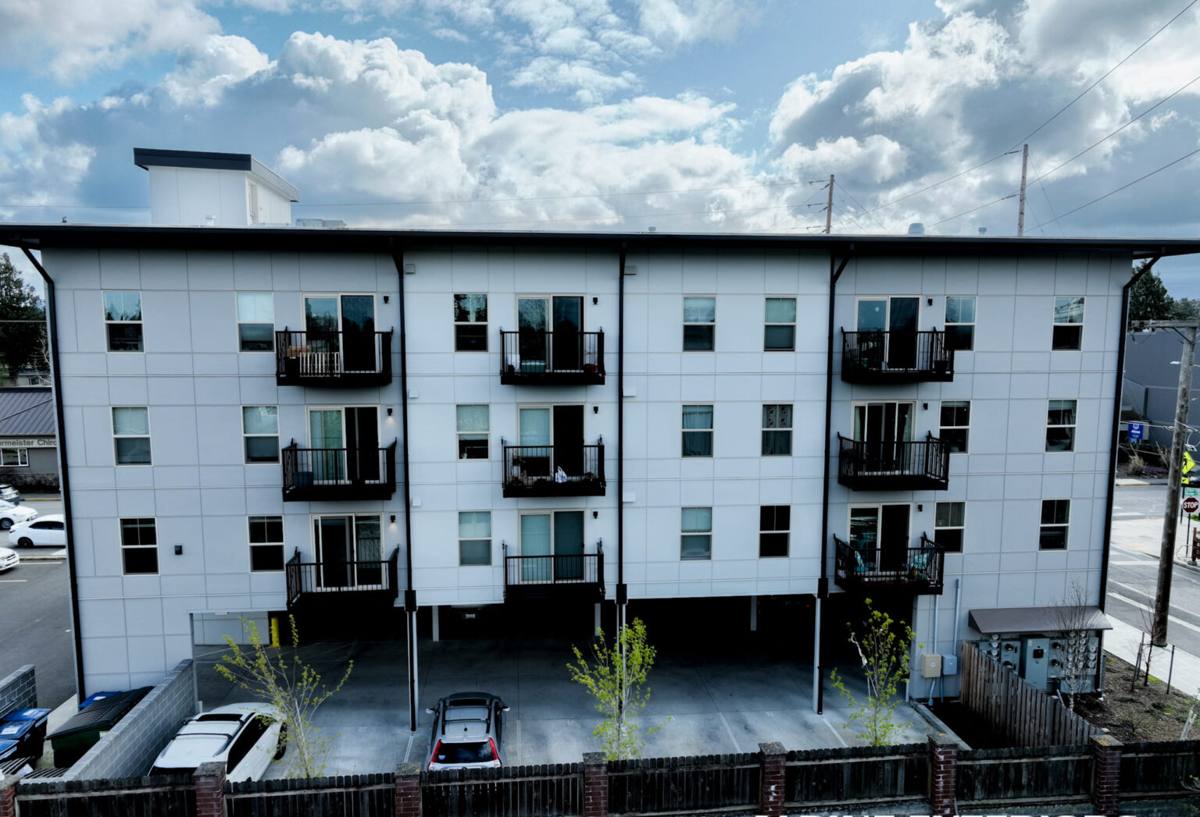
What Salt Air, Driving Rain, and Moss Actually Do to a Wall
Salt Air
Airborne salt is corrosive to exposed metal fasteners, trim flashing, and hardware, and it settles into porous or textured siding surfaces where it can hold moisture longer than it would in a dry inland location. Over time this accelerates fastener corrosion and surface breakdown on products that aren't built to resist it.
Driving Rain
Wind-driven rain off the water doesn't just fall on a wall, it gets pushed into every seam, lap joint, and penetration. Siding systems that rely on caulk alone to keep water out, rather than proper shingle-lap drainage and flashing details, tend to fail at the joints first. Once water gets behind the cladding, the sheathing and framing underneath are what actually pay the price.
Moss and Prolonged Dampness
Northwest Washington's long wet season means anything that stays damp, stays damp for months at a time. Moss and algae take hold readily on surfaces that hold moisture or sit in constant shade, and on some siding materials that growth traps water against the surface and speeds up deterioration. A siding choice that can't shed water and dry out between storms is fighting an uphill battle for most of the year.
Why We Install James Hardie Fiber Cement Here — and Nothing Else
We standardized on James Hardie fiber cement siding for every home we side, and coastal Whatcom County towns like Blaine are exactly why. Fiber cement is dimensionally stable in a way wood-based and polymer products aren't — it doesn't swell, cup, or warp when it takes on moisture the way engineered wood siding can, and it doesn't soften or distort in heat and cold cycling the way vinyl can. It's also non-combustible, which matters more each year as wildfire smoke seasons stretch further into the Pacific Northwest's summers, even in a rain-heavy county like this one.
Hardie's ColorPlus factory-applied finish is baked on and back-primed at the factory rather than field-painted, which means the finish is more consistent and more resistant to fading and peeling than a job-site paint job — an advantage in a climate where repainting siding every few years isn't something most homeowners want to sign up for. Hardie also builds region-specific HZ5 and HZ10 product formulations engineered for exactly the freeze-thaw and moisture conditions found in the Pacific Northwest, rather than a single one-size-fits-all formula sold nationwide.
None of this means Hardie is maintenance-free or install-anywhere-fine — fiber cement is heavier, more brittle to cut, and less forgiving of sloppy flashing and fastening than the alternatives. That's precisely why installation quality matters as much as the product choice.
What a Correct Installation Looks Like on a Blaine Home
Given the exposure this area gets, we treat a handful of details as non-negotiable, not optional upgrades:
- Weather-resistive barrier installed and lapped correctly behind the siding, with all penetrations properly flashed before a single board goes up
- Rainscreen or drainage gap furring where wall assembly and exposure warrant it, so water that does get behind the cladding has somewhere to drain and dry
- Correct nailing pattern and fastener type — stainless or coated fasteners rated for coastal exposure, not whatever was left over on the truck
- Proper lap and joint spacing per Hardie's published fastening and clearance specifications, including ground clearance and roof-line clearance to keep splash-back and ice/snow shed away from the bottom course
- Factory-mitered or properly caulked and painted field joints at trim, corners, and window and door casings — the single most common place inferior installs let water in
- Butt joints and seams treated with the flashing tape or sealant Hardie specifies, not generic caulk applied as an afterthought
Skip any one of these and the siding itself can be flawless while the wall behind it still takes on water. Most siding failures we get called out to inspect trace back to a flashing or fastening shortcut, not a bad product.
Our Process for a Blaine-Area Siding Project
- On-site assessment. We walk the exterior, check the current siding and trim for moisture damage, look at roofline and grading conditions that affect water exposure, and talk through what's actually driving the need for new siding.
- Product and color selection. We go over Hardie's plank, shingle, and panel options and ColorPlus color line so you're choosing a look that suits the house, not just what's in stock.
- Prep and tear-off. Old siding and trim come off, the sheathing underneath gets inspected for hidden rot or damage before anything new goes up, and any repairs needed happen before the weather barrier goes on.
- Weather barrier and flashing. This is the step that actually keeps water out long-term, and it's the one most easily rushed by crews that don't specialize in this region's exposure.
- Installation to Hardie spec. Correct fastening, clearances, and joint treatment, with attention to the details that matter most in driving rain and salt air.
- Final walkthrough. We check caulking, trim, and finish work with you before calling the job done.
Siding Options Compared for This Climate
| Material | Salt Air Resistance | Moisture/Rot Risk | Moss and Algae Growth | Typical Repaint Cycle |
|---|---|---|---|---|
| James Hardie Fiber Cement | Strong | Low when installed to spec | Low, factory finish sheds growth better than porous surfaces | Rare — ColorPlus finish is factory-cured, often 15+ years |
| Vinyl | Moderate, can become brittle over time | Low rot risk but traps moisture behind panels if not vented | Moderate, especially in shaded or damp wall sections | N/A but fades and can't be repainted easily |
| LP SmartSide / Engineered Wood | Moderate | Higher — wood-based core is vulnerable if the factory seal is breached | Moderate to high in prolonged damp conditions | Every 5-10 years depending on exposure |
| Cedar | Weak to moderate without diligent upkeep | Higher, especially in shaded, damp, or salt-exposed areas | High without regular cleaning and treatment | Every 3-7 years, staining or sealing |
This isn't a knock on any of these products in every setting — vinyl, engineered wood, and cedar all have real uses and real fans. It's a reflection of what tends to hold up best specifically in a marine, high-rainfall, moss-prone environment like Blaine's, which is why we chose to specialize in one product rather than offer all of them.
A Note on Cost
Hardie fiber cement generally costs more up front than vinyl and is competitive with or sometimes less than quality engineered wood or cedar once you factor in installation labor. The bigger cost difference shows up over the ownership timeline: repainting cycles, moisture repairs, and earlier full replacement on lower-durability products often make the lifetime cost comparison much closer than the sticker price suggests. We'll walk through real numbers for your specific home during an estimate rather than quoting broad figures that don't reflect your project.
Maintaining Hardie Siding in a Blaine Climate
- Rinse siding annually, focusing on north-facing and shaded walls where moss and algae take hold first
- Keep gutters clear so overflow doesn't run down and pool against the siding's bottom courses
- Trim back vegetation and shrubs so walls get airflow and sun exposure to dry out between storms
- Check caulking at trim, window, and door joints every year or two and refresh where it's cracked or pulled away
- Watch ground-contact and roofline clearance points after any landscaping or grading work, since buried or blocked clearances are a common way water problems start later
Why a Crew That Already Works Blaine Matters
Installing siding correctly in this specific environment isn't something you learn from a manufacturer's install manual alone — it comes from having actually done the work here, seen which details fail first in this exposure, and adjusted for it. A crew that regularly works Blaine and the rest of the Bellingham coastline already knows how much clearance to build in, where flashing needs extra attention, and which corners of a house take the worst of the weather off the water. That local repetition is what separates a siding job that looks right on day one from one that's still performing correctly after its first several wet winters.
It also means faster, more realistic scheduling around this area's weather windows, and a crew that's already familiar with the permitting and inspection expectations local jurisdictions apply to exterior work.
Get a Straightforward Estimate
If your Blaine-area home's siding is showing its age, or you're planning ahead before the next wet season, we're happy to take a look and give you an honest read on what it needs. There's no pressure and no obligation — just a straight assessment and a clear estimate using the free form below.