 Bellingham Roofing
 Windows Built for Columbia's Specific Conditions
The Columbia neighborhood sits close enough to Bellingham Bay that salt-laden air is a daily fact of life for anything metal, painted, or caulked on the outside of a house. Add Whatcom County's long, wet fall-through-spring stretch of driving rain off the water, and windows here take on a different kind of wear than windows fifty miles inland. Frames corrode faster. Seals fail sooner. Sills that don't shed water properly stay damp for months at a time, which invites the moss and mildew growth that this region is famous for. A window that's "fine" in a dry Eastern Washington town can be a slow-motion problem on a Columbia lot.
We install and replace custom windows in this neighborhood on a regular basis, which means we're not guessing at how a given frame material, glazing package, or installation detail will hold up here — we've seen it play out on homes a few streets over.
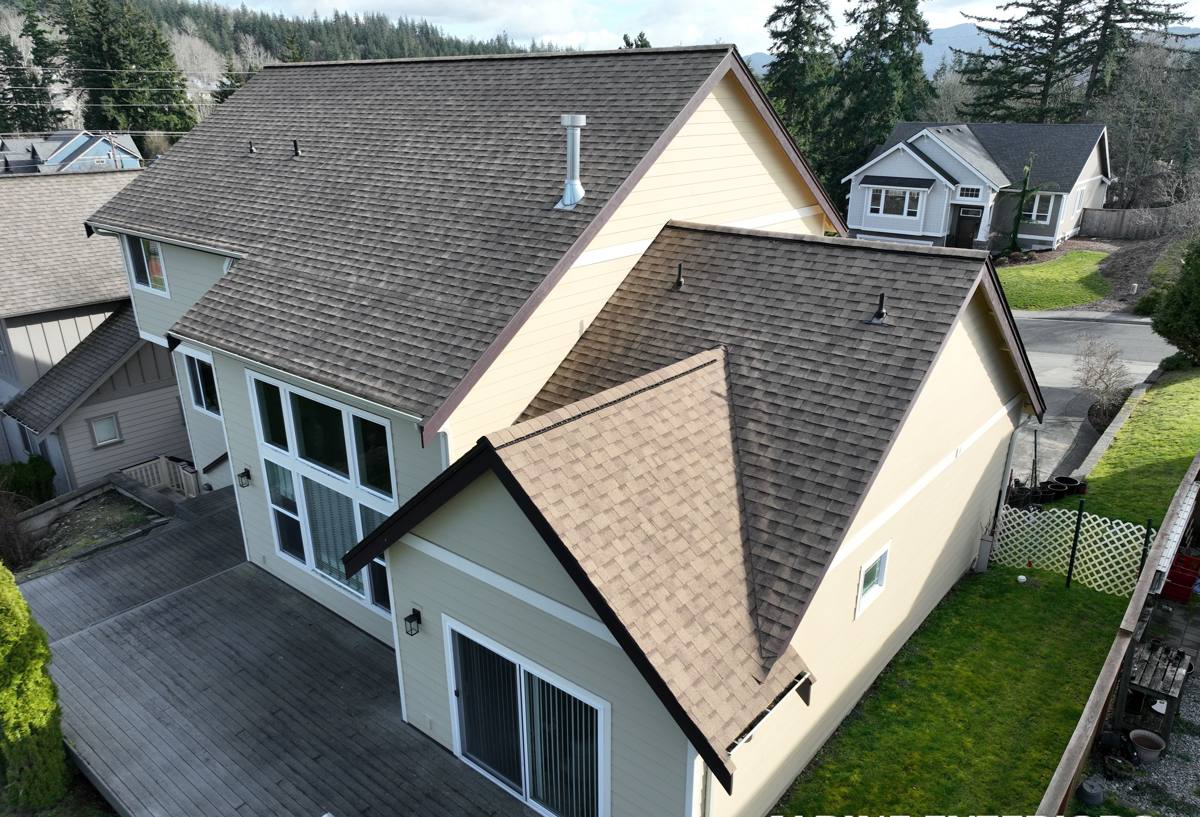
What Salt Air, Rain, and Moss Actually Do to a Window
Salt Air and Corrosion
Airborne salt accelerates corrosion on exposed fasteners, hinges, cranks, and lower-quality aluminum or steel components. Over years, this shows up as pitting on hardware, stiff or sticky operation on casement and awning windows, and staining that bleeds down the siding below a window. It's a slow process, so a lot of homeowners don't connect the dots until hardware seizes up or a frame starts to look chalky and rough.
Driving Rain and Wind-Driven Water
Bellingham's storms frequently come with enough wind to push rain sideways, which stresses window flashing and seals in ways that vertical rain never does. A window that was installed without proper head flashing, sill pan, and sealant detailing can look fine for a season or two and then start leaking during the first real windstorm of the year. Water intrusion at this point rarely stays cosmetic — it tracks into wall cavities and framing.
Moss, Mildew, and Prolonged Dampness
Whatcom County's moss season isn't limited to roofs. Wood sills, vinyl tracks, and window wells that stay shaded and damp for weeks at a time will grow moss, algae, and mildew if they can't dry out between rain events. This is largely a drainage and airflow issue — windows with poor sill pitch or clogged weep holes hold water right where organic growth wants to start.
Signs a Columbia Home's Windows Need Attention
- Visible fogging or moisture trapped between panes (failed seal on double or triple glazing)
- Frames that feel soft, spongy, or discolored at the corners
- Hardware that's stiff, sticks, or shows rust or white corrosion
- Drafts you can feel near the frame even when the window is latched
- Moss, algae, or dark staining building up on sills or in the tracks
- Noticeably higher heating bills with no other explanation
- Visible gaps in caulking or trim around the exterior frame
Any one of these on its own isn't necessarily an emergency, but two or three together usually mean the window's protective envelope has broken down somewhere.
Choosing Materials That Make Sense for This Location
"Custom windows" doesn't mean exotic — it means sized, styled, and specified to fit the actual opening and the actual house, rather than pulled off a shelf in a standard size. For a Columbia home, material choice matters more than in drier parts of the state because of the salt-air exposure.
| Frame Material | Salt Air Behavior | Maintenance | Typical Fit |
|---|---|---|---|
| Vinyl | Doesn't corrode; UV can cause fading over many years | Low — occasional cleaning | Most homes, best value |
| Fiberglass | Excellent resistance to salt and moisture, very stable | Low | Higher-end replacements, larger openings |
| Aluminum-clad wood | Exterior holds up well if properly sealed; interior wood needs protection from condensation | Moderate | Homes wanting a wood interior look |
| Bare wood | Requires diligent upkeep near salt air and rain; higher risk of rot if maintenance lapses | High | Historic or architectural-match projects only |
| Standard aluminum (uncoated) | Prone to corrosion and thermal transfer in this climate | Moderate to high | Generally not our recommendation here |
We don't push one material on every job. A lot of it comes down to how exposed the window is to prevailing wind and rain off the bay, how much upkeep the homeowner wants to commit to, and what fits the home's existing look. We'll walk through the honest trade-offs for your specific openings rather than defaulting to whatever's easiest to install.
Glazing and Seal Details That Matter Here
The glass package matters as much as the frame. In a climate with this much moisture and temperature swing between a cold, wet night and a sunny afternoon, seal quality determines how long a window stays clear and draft-free.
- Double vs. triple pane: Double-pane with a good low-E coating covers most homes here; triple-pane adds real value on north-facing or particularly exposed walls where wind-driven rain and cold are worst.
- Low-E coatings: Help manage heat loss through Bellingham's long heating season without sacrificing the natural light this region gets so little of in winter.
- Warm-edge spacers: Reduce condensation risk at the glass edge, which is where fogging and seal failure usually start first in a wet climate.
- Argon or krypton fill: Improves insulation value; the seal integrity around the gas fill is what determines whether that benefit lasts.
None of this matters if the installation around the glass isn't done correctly — a premium glazing package in a poorly flashed opening will still leak.
What a Correct Installation Actually Involves
Most window failures we see in this neighborhood trace back to installation shortcuts, not bad products. A correct job includes:
- Opening inspection: Checking the existing sill, framing, and sheathing for hidden rot or water damage before anything new goes in.
- Sill pan flashing: Creating a sloped, waterproof pan at the bottom of the opening so any water that gets past the window drains back outside instead of into the wall.
- Proper flashing sequence: Integrating window flashing with the house wrap or building paper in the correct shingle-lap order so water always moves downward and outward, never behind a layer.
- Air sealing and insulation: Filling the gap between the frame and rough opening with the right material — not overpacked, not left with voids — to control both drafts and condensation.
- Exterior sealant: Using a sealant rated for this climate at the trim and siding joints, applied so it can flex with seasonal movement instead of cracking.
- Weep hole and drainage check: Confirming water has a path out of the frame system, especially important given how much standing moisture this area sees.
- Operation and level check: Making sure the finished window opens, closes, and locks smoothly with no binding, which is also a sign it was set square and plumb.
Our Process for a Columbia Window Project
Every project starts with an on-site look at the actual openings — not a phone estimate. We check the condition of the existing framing and sill, measure precisely (custom means we're not forcing a standard size into an odd opening), and talk through material and glazing options based on where the window sits relative to prevailing wind and rain.
From there, we handle the flashing and sill pan detailing described above as a non-negotiable step, not an upsell — it's the difference between a window that lasts and one that leaks in three years. We clean up thoroughly and walk the finished openings with the homeowner before we consider the job done.
For homes with several aging windows, we're glad to do the work in phases — most exposed or worst-performing windows first — rather than requiring a whole-house replacement all at once.
Maintenance That Extends Window Life Here
A well-installed window in a salt-air, high-rain climate still benefits from basic upkeep:
- Rinse frames and hardware periodically to reduce salt buildup, especially on homes with more direct bay exposure
- Clear debris and moss from sills and tracks before it holds moisture against the frame
- Check and refresh exterior caulking every few years, since UV and moisture cycling break it down over time
- Lubricate hardware on casement and awning windows to prevent salt-related stiffness
- Watch for early fogging between panes, which signals a seal failure worth addressing before it worsens
Why Hire a Crew That Already Works in Columbia
Window installation looks similar on paper everywhere, but the details that actually matter — flashing sequence, sealant choice, sill drainage — need to be tuned to the climate the house sits in. A crew that regularly works Bellingham and Whatcom County homes has already seen how salt air, driving rain, and moss-season dampness expose weak installation shortcuts over time. That experience shows up in fewer callbacks and windows that are still performing well a decade later, not just on install day.
If you're weighing a full replacement, a few problem windows, or a custom opening for a remodel in Columbia, we're happy to take a look and give you a straight assessment — no pressure, no inflated urgency. Request a free estimate using the form below and we'll walk through what your home actually needs.