 Bellingham Roofing
 Windows Built for South Hill's Weather, Not Just Its View
South Hill sits high enough to catch wind and weather that homes lower in Bellingham don't deal with as directly — driving rain off the bay, salt-tinged air, and long stretches of gray, damp months where a house rarely gets a chance to fully dry out. Older windows in this part of town tend to show it: fogged double-pane glass, swollen wood sashes, drafts around the frame that make a room feel cold even when the furnace is running. Energy-efficient window replacement isn't a cosmetic upgrade here. It's a direct response to what Whatcom County weather does to a home's envelope year after year.
When we talk about "energy-efficient windows" for a South Hill home, we mean windows selected and installed specifically for this microclimate — not a generic upgrade pulled from a national catalog. That distinction matters more than most homeowners realize until they've lived with the wrong choice for a winter or two.
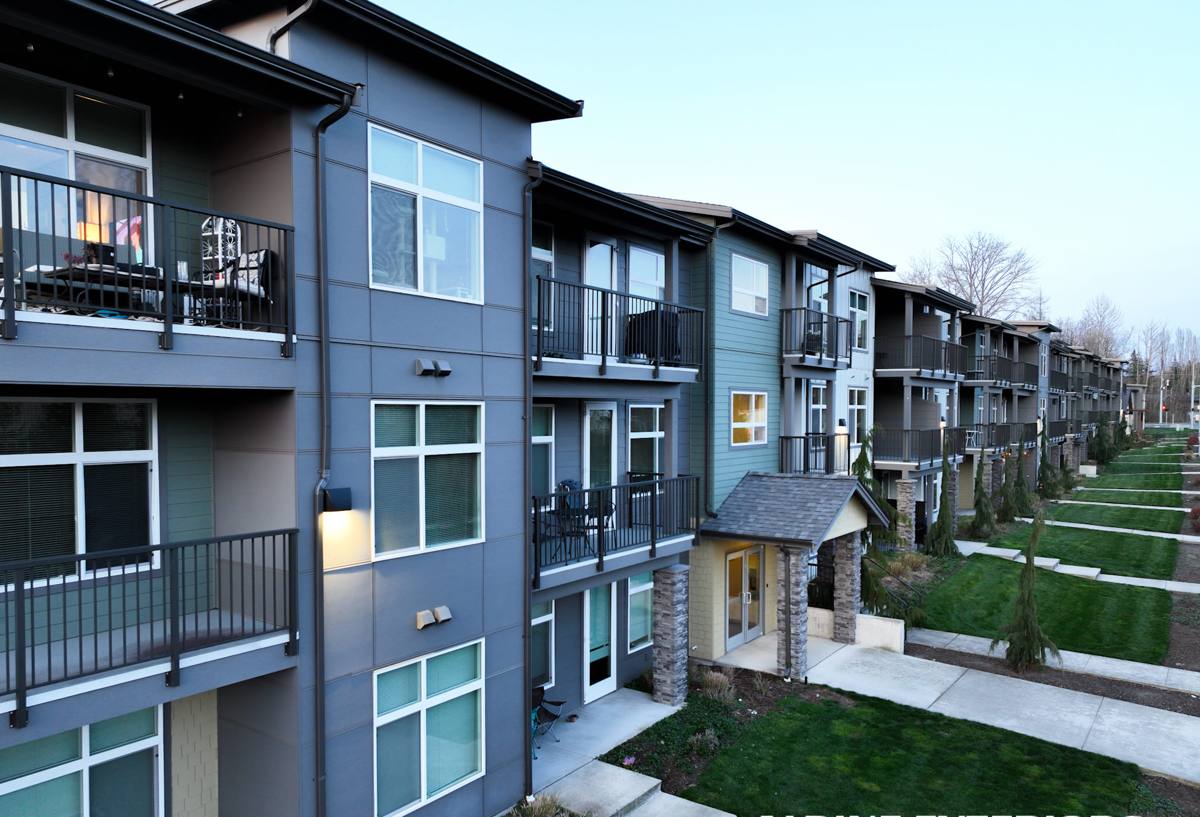
What the Local Climate Actually Does to Windows
Salt Air and Coastal Moisture
Proximity to Bellingham Bay means South Hill homes get a steady dose of salt-laden moisture in the air, especially on the west- and south-facing sides of a house. Over years, that moisture works into vulnerable window components — corroding poorly sealed hardware, breaking down cheap weatherstripping, and finding its way into any gap in a frame that wasn't sealed correctly the first time.
Driving Rain
Rain here doesn't just fall — wind pushes it sideways into window frames, especially during winter storms. A window with a weak sill pan, poor flashing, or a marginal seal will eventually let water in, and once water gets behind a frame, it stays there far longer in our climate than it would somewhere drier. That's how you end up with soft trim, stained drywall below a window, or a musty smell in a room that never quite goes away.
Moss Season
Whatcom County's moss season runs long — often eight months or more of conditions damp enough for moss and algae to take hold on anything that stays wet. Window sills, exterior trim, and the top of window frames are prime real estate for it. Beyond looking bad, moss holds moisture against wood and vinyl surfaces, accelerating rot and finish breakdown right at the window opening.
Temperature Swings and Condensation
South Hill homes see enough of a day-to-night and season-to-season temperature swing that condensation becomes a real issue on underperforming glass. Single-pane and older double-pane windows fog up, drip onto sills, and contribute to the same moisture problems that drive mold and wood rot around the opening.
What "Energy-Efficient" Should Actually Mean for This House
Energy efficiency isn't just an R-value on a label. For a South Hill home, it's the combination of glass performance, frame material, and — most importantly — installation quality that keeps water and air out while keeping conditioned air in. A high-performance window installed with a sloppy seal will underperform a mid-grade window installed correctly, every time.
| Feature | Why It Matters Here |
|---|---|
| Low-E glass coating | Reduces heat loss through glass during our long heating season without darkening the room |
| Dual or triple-pane with argon/krypton fill | Cuts condensation risk and heat transfer during winter temperature swings |
| Warm-edge spacer systems | Reduces cold spots at the glass edge where fogging and frost typically start |
| Corrosion-resistant hardware | Stands up to salt air exposure common on west- and south-facing walls |
| Properly sloped sill design | Sheds driving rain instead of letting it pool and seep inward |
| Quality weatherstripping and seals | Keeps drafts out through repeated wet/dry cycles, not just when new |
Frame Materials: Honest Trade-Offs for a Wet Climate
We get asked about wood, vinyl, and fiberglass windows constantly, and the honest answer is that each has a place — but not every material is a good fit for every part of a South Hill home.
- Vinyl: Generally the most moisture-tolerant and lowest-maintenance option, and a solid value pick for most South Hill homes. Quality varies a lot between manufacturers, so we're selective about which lines we install.
- Fiberglass: Excellent dimensional stability and moisture resistance, with a higher upfront cost. Worth considering on exposed elevations that take the brunt of driving rain and wind.
- Wood and wood-clad: Beautiful and traditional, but wood is the material most sensitive to our climate. It requires consistent maintenance — repainting, resealing, and prompt attention to any finish failure — or moisture will find a way in. We're upfront with homeowners about that maintenance commitment before they commit to wood, especially on rain-exposed walls.
- Aluminum: Durable but a poor thermal performer unless it has a thermal break, and prone to condensation in our climate without one. We generally steer homeowners away from it for primary living spaces unless there's a specific design reason.
Our standard is to match the frame material to the wall's actual exposure — a south- or west-facing wall that takes direct weather gets a different recommendation than a sheltered, covered elevation, even on the same house.
Why Installation Quality Matters More Than the Window Itself
Most window failures we see on South Hill homes aren't product failures — they're installation failures. A premium window installed without proper flashing, a correctly sloped sill pan, and sealed integration with the house's weather-resistive barrier will leak eventually. It's just a matter of time and how many storms it takes.
Correct installation in this climate means:
- Removing and inspecting the opening down to the framing, not just swapping the window in the existing hole
- Checking for and remediating any existing water damage or rot before the new window goes in
- Installing sill pan flashing that directs any water that does get past the window back outside, not into the wall cavity
- Integrating window flashing correctly with the house wrap or building paper, shingle-style, so water sheds downward and outward
- Sealing and insulating the gap between the window frame and rough opening — not just caulking the exterior trim
- Verifying the window is level, plumb, and square before final fastening, since a racked frame stresses seals and hardware over time
Skipping any one of these steps is how a homeowner ends up with a "new" window that still drafts, fogs, or leaks within a few years.
Our Process for South Hill Window Projects
1. On-Site Assessment
We look at each window opening individually — sun and rain exposure, existing damage, current frame condition, and how the opening ties into the rest of the exterior. Two windows on the same house can need different solutions depending on which way they face.
2. Product Selection
We walk homeowners through frame material, glass package, and grille or style options based on the home's exposure and the homeowner's budget and priorities — not a one-size-fits-all package.
3. Removal and Opening Prep
Old windows come out carefully, and we inspect the framing underneath for rot or moisture damage before anything new goes in. Problems found here get addressed, not covered up.
4. Flashing and Installation
Sill pans, flashing integration, air sealing, and precise leveling — done in the sequence that actually keeps water out, not just the sequence that's fastest.
5. Finish and Walkthrough
Interior and exterior trim work is completed, operation is checked on every window, and we walk the homeowner through what they're looking at and how to maintain it.
What This Typically Involves, Cost-Wise
Every project is different, but the main cost drivers on a South Hill window job are consistent: number of windows, frame material, glass upgrades, and how much of the surrounding trim or siding needs repair due to prior water damage. Homes with existing rot or moisture issues around the openings will cost more to do right than a straightforward swap — but skipping that repair just moves the problem into the new installation. We provide a detailed, itemized estimate so homeowners know exactly what they're paying for and why, rather than a vague lump-sum number.
Maintaining Energy-Efficient Windows in a Wet Climate
- Clean weep holes and sills periodically so water can drain instead of pooling
- Remove moss and algae buildup from sills and surrounding trim before it holds moisture against the surface
- Check exterior caulking annually, especially after the first winter, and touch up as needed
- Operate windows periodically even in winter to keep hardware and seals from sticking or seizing
- Watch for condensation between panes — it signals a failed seal, not just normal humidity
- Have wood-clad or wood windows repainted or resealed on the schedule the manufacturer recommends, not just when damage is visible
Why Local Experience on South Hill Matters
A crew that installs windows across different climates treats every job the same. A crew that works Bellingham and Whatcom County regularly knows that a west-facing window on South Hill needs a different level of flashing attention than a sheltered window in a low-wind pocket of town, and that moss season means sill design and drainage can't be an afterthought. That local, repeated experience with this specific weather pattern is what separates a window installation that lasts fifteen-plus years from one that starts causing problems by year five.
If you're dealing with drafty, foggy, or moss-stained windows on your South Hill home, we're happy to take a look and give you a straightforward, no-pressure estimate — just fill out the form below to get started.