 Bellingham Roofing
 Siding in Sehome Has a Different Job Than Siding Inland
Sehome sits close enough to Bellingham Bay and the Whatcom County lowlands that its houses take on a specific combination of weather stress: salt-tinged marine air drifting up from the water, long stretches of driving rain off the Pacific systems that roll through fall and winter, and a moss season that, realistically, runs most of the year in the shaded and north-facing parts of the neighborhood. None of that is dramatic on any single day. It's the accumulation over years that separates siding that holds up from siding that quietly fails behind a coat of paint.
When we talk about "fiber cement siding for Sehome," we don't mean a generic pitch about a good product. We mean matching a specific material system, installed a specific way, to the specific stresses this part of Bellingham puts on a house.
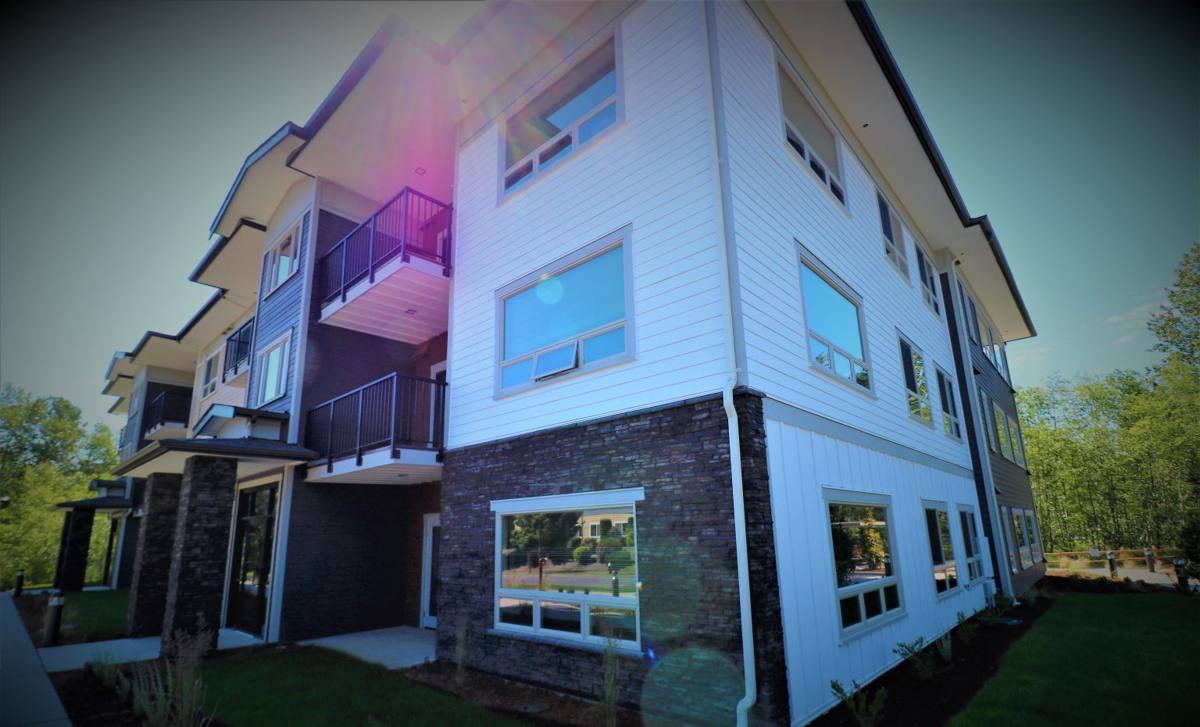
What Salt Air, Rain, and Moss Actually Do to a House
Salt Air
Marine air carries fine salt particles that settle on exterior surfaces and accelerate corrosion of fasteners, flashing, and any metal trim. Siding materials that rely on paint film alone for protection are more vulnerable here, because salt exposure breaks down coatings faster than it does a few miles inland.
Driving Rain
Bellingham's rain doesn't just fall — wind off the bay and the Strait of Georgia pushes it sideways against west- and south-facing walls. That means water intrusion risk isn't only about the field of the siding; it's about every seam, corner, window, and penetration where water gets driven, not just dripped.
Moss and Sustained Moisture
Whatcom County's moss season is long because the conditions that grow moss — shade, moisture, mild temperatures — persist for most of the year. Moss and algae growth on siding isn't just cosmetic. Where it takes hold on a moisture-sensitive material, it holds water against the surface longer than open air would, which matters a great deal over a 20- or 30-year ownership horizon.
Put together, a Sehome home needs siding that resists moisture absorption at the material level, holds a factory finish under salt exposure, and can be detailed correctly at every seam and penetration — not just siding that looks good on installation day.
Why We Install Only James Hardie Fiber Cement Siding
We made a deliberate decision to standardize on James Hardie fiber cement and not offer LP SmartSide, vinyl, Cemplank, Allura, or unfinished wood siding like primed spruce or cedar. That's not a marketing position — it's a reflection of what holds up under the conditions described above.
- Non-combustible core: Hardie fiber cement is cement-based, not wood-based, which matters for fire resistance in a way engineered wood products can't match.
- Factory-applied ColorPlus finish: baked-on in a controlled environment rather than field-painted, which gives more consistent coverage and better resistance to fading and salt-driven breakdown than a job-site paint job.
- Climate-engineered HZ product lines: Hardie manufactures regional formulations designed for specific climate exposure, rather than a single one-size-fits-all board.
- Moisture behavior: fiber cement doesn't absorb and swell the way wood-based siding can, and it doesn't trap moisture against a substrate the way some engineered products are prone to at cut edges and seams.
- Warranty structure: a strong, transferable manufacturer warranty backed by a company with decades of track record in siding, not just a coating.
We're not going to tell you other siding products are junk — they're not. LP SmartSide, vinyl, and comparable products all have legitimate use cases and loyal installers. Our reasoning is narrower: given what Sehome's salt air, wind-driven rain, and moss season do to a wall assembly over time, and given how much installation quality affects long-term performance on any siding, we decided we'd rather install one product system extremely well than several products adequately. That's James Hardie.
What a Correct Fiber Cement Siding Job Actually Involves
Fiber cement siding is only as good as the assembly behind it. A lot of siding failures — on any brand — trace back to installation shortcuts, not the material itself. A correct job includes:
| Step | Why It Matters in Sehome |
|---|---|
| Weather-resistant barrier inspection/repair | Catches existing moisture damage before it's sealed behind new siding |
| Proper rainscreen or drainage gap | Lets wind-driven rain that gets past the siding face drain and dry instead of sitting against sheathing |
| Correct fastener type and placement | Salt air accelerates corrosion of the wrong fastener; placement affects panel movement and cracking |
| Manufacturer-spec flashing at every penetration | Windows, doors, and vents are where driven rain actually gets in |
| Proper clearance from grade, decks, and roof lines | Keeps siding out of standing moisture and splash-back zones that feed moss growth |
| Factory-cut edges sealed per Hardie spec | Field cuts are the one place fiber cement is vulnerable if left unsealed |
Every one of those steps is spelled out in James Hardie's installation manual for a reason. Skipping any of them can void the warranty and, more importantly, sets the siding up to fail at the seams long before the panels themselves would ever wear out.
Our Process for Sehome Siding Projects
- On-site assessment: we look at your home's exposure — which walls take the worst of the wind-driven rain, where moss and algae are already established, and where the existing siding or sheathing shows moisture damage.
- Product and color selection: we walk through the relevant Hardie HZ line and ColorPlus options for your home's exposure and your preferences.
- Written scope and estimate: what's being removed, what substrate repair (if any) is included, and what the finished assembly looks like.
- Tear-off and substrate check: we don't cover up rot or hidden moisture damage — anything found gets addressed before new siding goes on.
- Installation to manufacturer spec: proper drainage plane, flashing, fastening, and clearances as outlined above.
- Final walkthrough: we go over the finished work with you before calling the job done.
Choosing the Right Hardie Line and Finish
James Hardie offers several siding profiles and a range of ColorPlus finishes, and the right choice depends on your home's style and exposure as much as personal taste.
| Consideration | What to Weigh |
|---|---|
| Lap siding vs. panel/shingle accents | Traditional lap is the most common choice; shingle or panel accents can highlight gables or entries |
| Color darkness | Darker ColorPlus finishes show less algae streaking pattern than some lighter tones, though all siding benefits from periodic cleaning |
| Sun vs. shade exposure | North-facing and heavily treed walls hold moisture longer and are more prone to moss — worth discussing during your assessment |
| Trim and fascia coordination | Matching Hardie trim boards keeps the whole exterior on one consistent, warrantied system |
Cost Factors for a Sehome Siding Project
Every home is different, so we don't quote pricing sight-unseen, but the main drivers of cost are consistent:
- Total square footage of wall area and the complexity of the roofline (more corners and cuts add labor)
- Condition of the existing substrate — whether sheathing repair or moisture remediation is needed before siding goes on
- Siding profile chosen (standard lap vs. shingle or panel accents) and trim scope
- Access — multi-story walls, tight lot lines, or landscaping that complicates staging
- Removal and disposal of existing siding
We'll walk your home, point out anything that affects scope, and give you a written estimate before any work starts — no pressure, no surprises added later.
Maintaining Hardie Siding in Whatcom County's Climate
One advantage of fiber cement over untreated wood siding is how little upkeep it needs — but "little" isn't "none," especially with Sehome's moss season and salt exposure. A simple annual routine keeps siding performing the way it should:
- Rinse siding gently once or twice a year to remove salt residue, pollen, and early moss/algae growth before it establishes
- Keep gutters clear so overflow doesn't run down and pool against siding at corners
- Trim back vegetation that keeps a wall shaded and damp longer than it needs to be
- Check caulking at trim and penetrations periodically — caulk is a maintenance item, not a lifetime seal
- Address any moss or algae promptly rather than letting it establish over multiple seasons
Why Hiring a Crew That Already Works in Sehome Matters
Fiber cement installation quality varies enormously between crews, and a lot of that difference comes down to familiarity with local exposure conditions. A crew that regularly works in Sehome and similar Bellingham neighborhoods already knows which walls tend to take the worst wind-driven rain, where moss establishes fastest, and how to detail flashing so it holds up through a Whatcom County winter — not just how to nail up boards on a calm day. That local pattern recognition is part of what you're paying for when you hire a specialist crew instead of a general contractor doing siding as a side service.
If you're weighing a siding project in Sehome, we're happy to take a look at your home, talk through what your specific exposure calls for, and give you a straightforward, no-pressure estimate using the form below.