 Bellingham Roofing
 Why Fairhaven Homes Take a Harder Hit From the Weather
Fairhaven sits close enough to the water that homes here deal with a different mix of weather stress than siding further inland in Whatcom County. Air coming off Bellingham Bay carries salt, and salt-laden air is harder on painted trim, fasteners, and any exposed seam in a siding system than dry inland air. Add in wind-driven rain that comes at walls sideways rather than straight down, and water finds its way into gaps that would stay dry in a calmer climate.
Bellingham's long wet season, spanning fall through spring, means siding on shaded or north-facing walls often doesn't get a real chance to dry out for weeks at a time. Combine that with mature tree cover common in older Fairhaven lots, and you get the ingredients for the moss and mildew growth that shows up on siding across the neighborhood every year. None of this means siding is destined to fail — it means the margin for a sloppy repair or a skipped flashing detail is much smaller here than it would be somewhere drier.
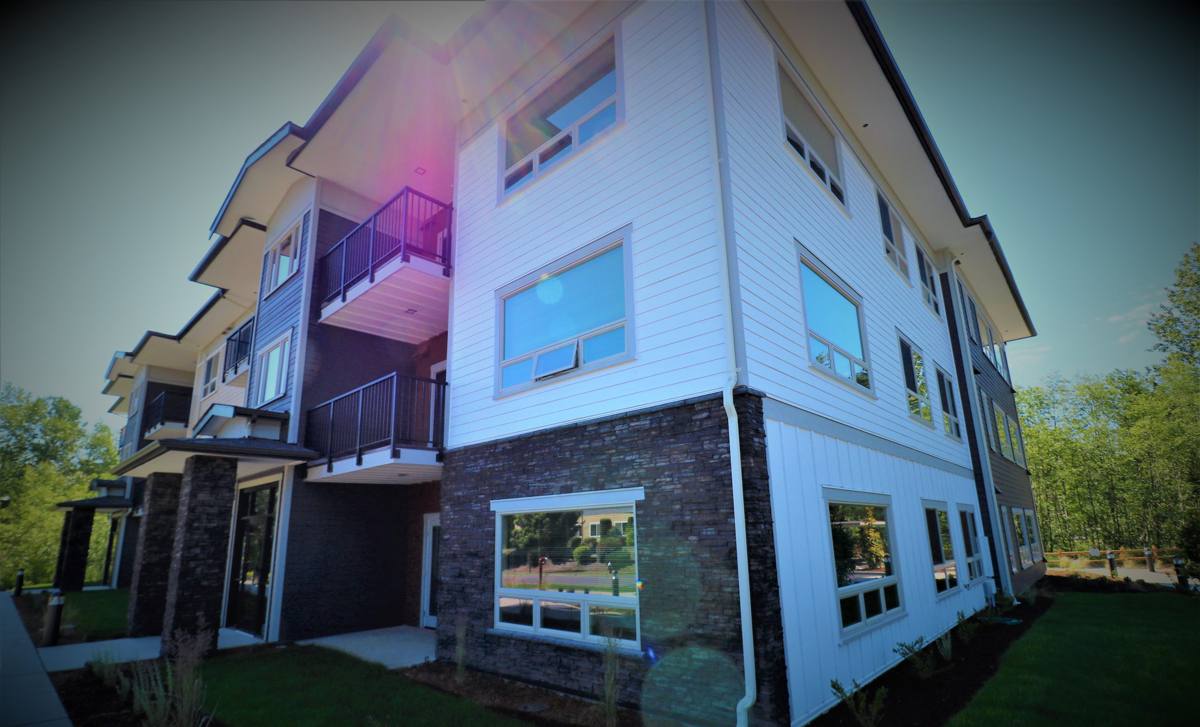
Signs of Siding Trouble Common to This Coastal Neighborhood
Most siding problems don't announce themselves with a dramatic failure. They show up as small details that are easy to write off as cosmetic until they aren't. Homeowners in Fairhaven should keep an eye out for the following:
- Soft or spongy spots when you press on a board, especially near the bottom courses close to grade
- Bubbling, peeling, or cracking paint that keeps coming back in the same spot after repainting
- Dark green or black streaking and moss buildup concentrated on shaded or tree-covered walls
- Visible gaps opening up at butt joints, corner boards, or around window and door trim
- Boards that have cupped, warped, or pulled slightly away from the wall
- A musty or damp smell in a room that backs up to an exterior wall with no obvious interior source
- Caulking that has shrunk, cracked, or separated from the siding edge
Any one of these on its own might be minor. Several showing up together, especially on the same wall, usually means water has been getting behind the siding for longer than it looks from the outside.
What a Correct Repair Actually Involves
Diagnosing the Moisture Path
A repair that only replaces the board you can see damage on is a repair that's likely to fail again. The more important step is figuring out how water got behind the siding in the first place — a missing or misaligned piece of flashing, a caulked joint that should never have been sealed with caulk instead of properly lapped, a downspout dumping water against a wall, or grade sloping toward the foundation instead of away from it. Skipping this step is the single most common reason a "repair" doesn't actually solve anything.
Matching Materials and Profile
Once the source is identified, the repair itself needs to match the existing siding's reveal, lap width, and texture closely enough that it doesn't stand out and, more importantly, sheds water the same way the surrounding material does. Mismatched reveal or profile can create a shelf where water pools instead of running off.
Flashing, Seams, and Sealant Details
Correct flashing above windows, doors, and trim boards does the real work of keeping water out — sealant is a secondary defense, not a substitute for flashing done right. We follow manufacturer-specified lap overlaps and only use sealant where it's actually called for, not as a way to paper over a detail that should have been flashed.
Finish and Color Match
Where the repair is visible, we match color and sheen as closely as the existing finish allows. Factory-applied finishes hold color more evenly over time than field-painted touch-ups, which is one more reason a patch repair on older, field-painted siding sometimes looks slightly different even when the workmanship underneath is solid.
Repair or Replace? Weighing the Real Factors
Not every siding problem in Fairhaven needs a full re-side, and not every problem should be patched. The right call depends on a handful of factors we walk through with the homeowner during the inspection.
| Factor | Points Toward Repair | Points Toward Replacement |
|---|---|---|
| Extent of damage | Isolated to one wall or a few boards | Spread across multiple elevations |
| Underlying sheathing | Dry, sound wood behind the siding | Soft or rotted sheathing found during inspection |
| Age of existing siding | Newer material still within its expected service life | Original siding decades old and near end of life |
| Material type | Existing material is durable and repairable in kind | Existing material is one prone to recurring moisture issues |
| Root cause | A single fixable detail (flashing, caulk, grading) | Systemic issue affecting the whole installation |
We'd rather tell a Fairhaven homeowner honestly that a targeted repair will hold up than talk them into a full re-side they don't need. We'd also rather tell them plainly when a repair is a short-term fix on a system that's past the point of patching.
Why We Repair and Rebuild With James Hardie Fiber Cement
When a repair calls for replacing full sections of siding, we do that work with James Hardie fiber cement rather than trying to source a matching piece of vinyl, LP SmartSide, or bare cedar. That's not a marketing preference — it's the material we've standardized on for every job we do, including repair work, because it's non-combustible, holds up to sustained moisture exposure better than wood-based products, and comes with a factory-applied ColorPlus finish that doesn't need repainting on the same schedule as field-finished wood siding.
If your home currently has a siding material we don't install ourselves, we'll say so plainly. A patch repair on that material can still be a reasonable short-term fix, but it's worth knowing that a patch is a stopgap, not a long-term solution, and that when the time comes for a fuller replacement, Hardie's HZ5 product line is engineered specifically for the moisture and humidity conditions common to the Pacific Northwest. We'd rather set that expectation up front than let a homeowner assume a small repair resets the clock on an aging siding system.
Moss, Mildew, and Long-Term Maintenance in Bellingham's Wet Season
Even correctly installed siding needs some ongoing attention in a climate like this one. Moss and mildew aren't usually a sign of failed siding — they're a sign of moisture sitting against a surface longer than it should. A few habits go a long way toward keeping repairs from becoming recurring calls:
- Keep gutters and downspouts clear so water isn't overflowing directly onto siding below
- Trim back branches and shrubs that shade siding and block airflow against the wall
- Rinse moss and grime off siding periodically with a garden hose rather than a high-pressure washer, which can force water behind laps and seams
- Check caulked joints around windows, doors, and trim once a year and have any cracked sealant redone before wet season sets in
- Watch for standing water or poor drainage near the foundation, especially after heavy fall rains
None of this requires special equipment or a service contract — it's the same kind of basic upkeep that makes any exterior material last longer, and it matters more here than in a drier climate.
Our Process, Start to Finish
Inspection
We start by walking the affected wall or walls with the homeowner, looking past the visible damage to check flashing, trim, caulking, and — where accessible — the condition of the sheathing behind the siding. This is where we figure out whether we're looking at a contained repair or something more extensive.
Estimate and Explanation
We explain what we found, what caused it, and what the repair involves in plain terms before any work is scheduled. If we think a full re-side makes more sense than a patch, we'll say so and explain why, rather than defaulting to whichever option is easier to sell.
Repair Day
On the day of the repair, damaged material comes out, the underlying issue gets addressed (flashing, sheathing, or drainage as needed), and new material goes in matched to the existing siding as closely as the situation allows. We don't caulk over a problem that needs to be flashed properly.
Cleanup and Walkthrough
We clear debris and walk the finished repair with the homeowner so they can see exactly what was done and why. If there are maintenance steps worth flagging for that specific wall — drainage, sun exposure, tree cover — we mention them before we leave.
If you're seeing signs of siding trouble on a Fairhaven home, or you just want an honest read on whether a repair or a fuller fix makes sense, we're happy to take a look. Estimates are free, there's no pressure attached, and you'll get a straight answer either way.